I’ve spent my life surrounded by dirt and plants—first in my grandfather’s overgrown backyard in Michigan, then in the community garden where I volunteered as a teen. There’s something about watching seeds turn into food or flowers that still feels like magic to me. This site is where I share the practical wisdom I’ve picked up over the years, from saving wilting herbs to turning a shady corner into a thriving space. My goal? To help anyone with a patch of soil and a little curiosity grow something beautiful—or delicious.
💥 Quick Answer Loamy soil is made of roughly equal parts sand (40%), silt (40%), and clay (20%), combined with 5% organic matter like decomposed leaves, compost, and microorganisms for optimal plant growth and nutrient…
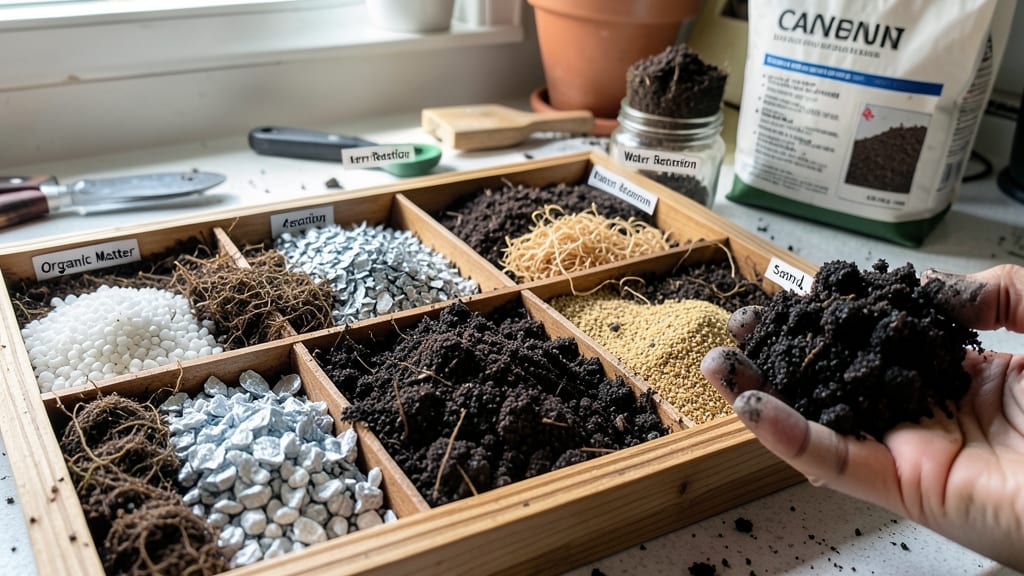
💥 Quick Answer Potting soil is made of a balanced mix of organic matter like peat moss or coconut coir, inorganic additives such as perlite or vermiculite, and nutrients like compost or slow-release fertilizers to…
💥 Quick Answer Soil builder improves soil structure, fertility, and water retention to support long-term plant growth, unlike compost or fertilizers which focus primarily on nutrients alone. Soil builders work by…
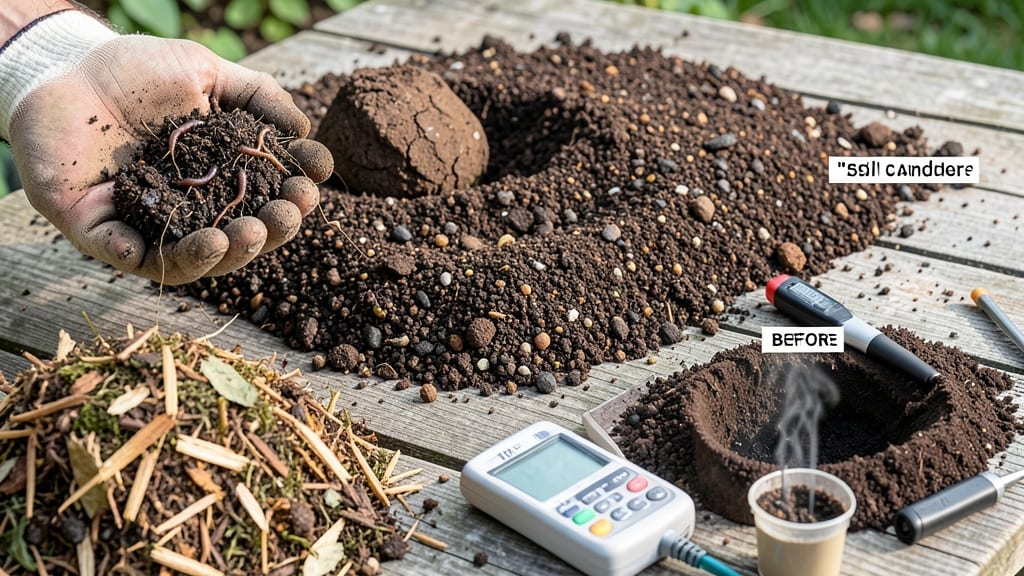
💥 Quick Answer Soil conditioner is used to revitalize soil by improving its structure, aeration, and water absorption while fixing problems like compaction, poor drainage, or nutrient imbalances. This helps plants grow…
Soil conditioners transform your dirt into a thriving ecosystem for plants. 🌱 Think of them as the secret ingredient that turns dense, lifeless soil into fluffy, nutrient-rich growing medium—exactly what roots crave to…
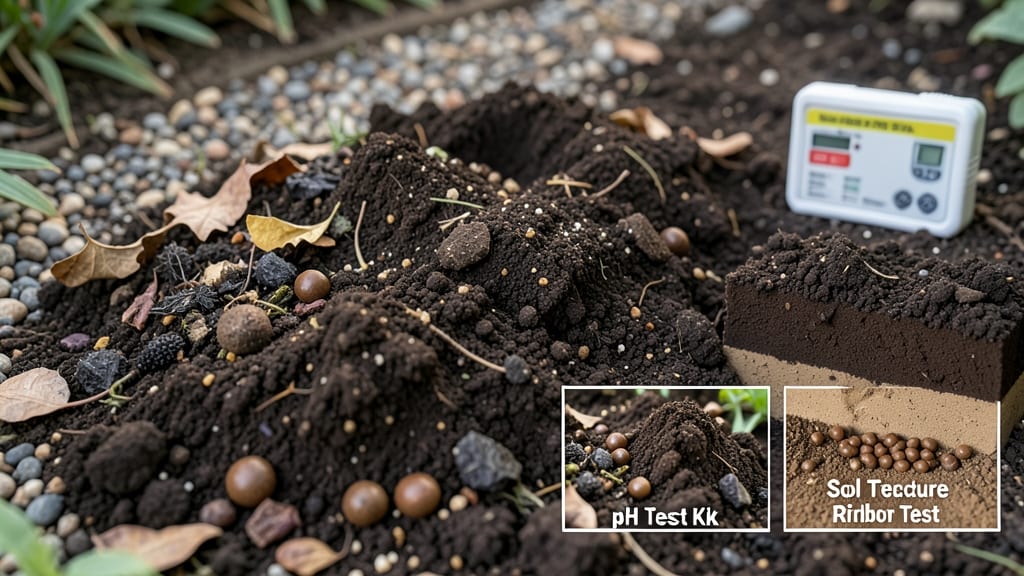
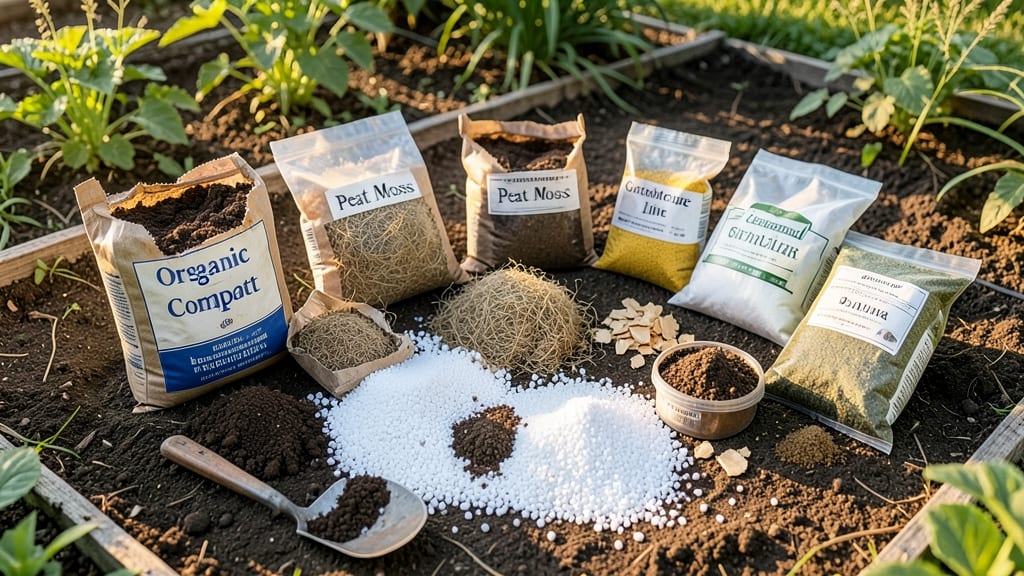
💥 Quick Answer To determine what soil amendments you need, start with your soil test results: incorporate compost to boost organic matter, use lime to adjust pH upward for acid-sensitive plants, apply sulfur to acidify…
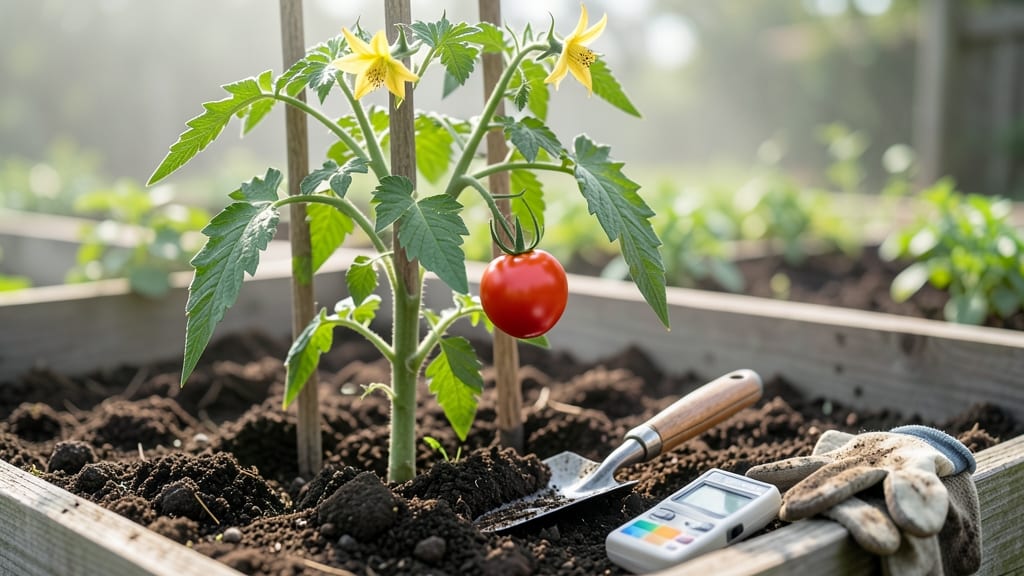
💥 Quick Answer Tomatoes like well-draining, nutrient-rich loam soil with a slightly acidic to neutral pH (6.0–6.8). A mix of 60% topsoil, 30% compost, and 10% perlite or sand ensures aeration and moisture retention for…
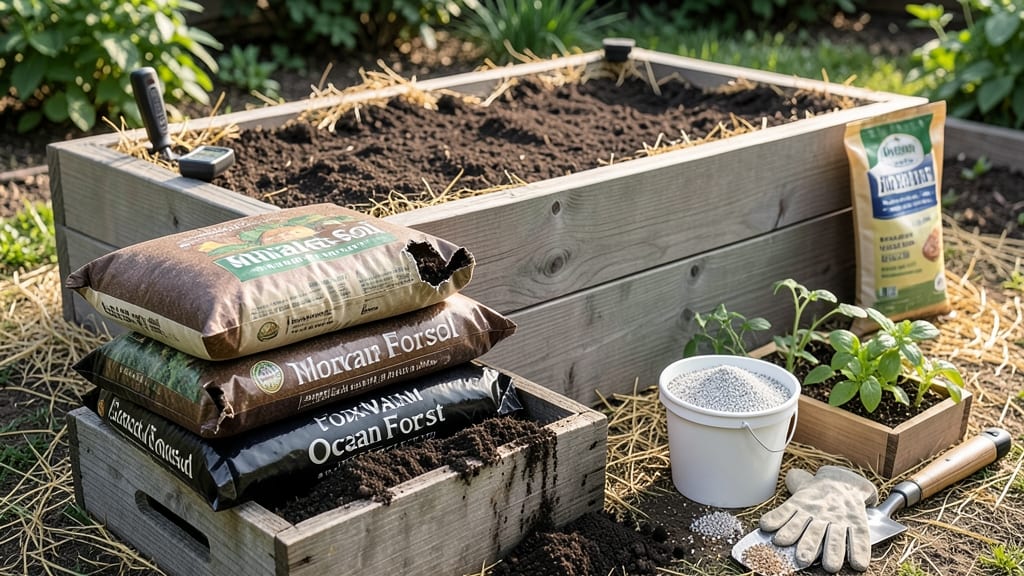
What soil to buy for your raised garden bed can transform your garden from a struggle to a thriving, year-round oasis—if you pick the wrong mix, your plants will pay the price with stunted growth or poor yields. 🔍 After…
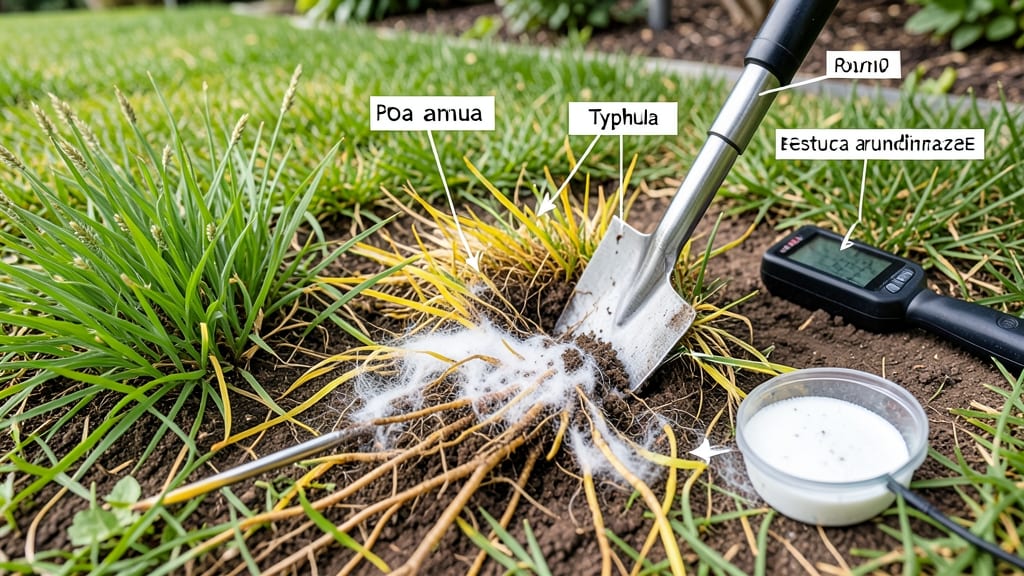
That spongy white fungus creeping under your lawn isn’t just unsightly—it’s a sign your soil needs better drainage and airflow. 🌱 I’ve seen this problem turn lush lawns into soggy, mushroom-infested patches, and the fix…
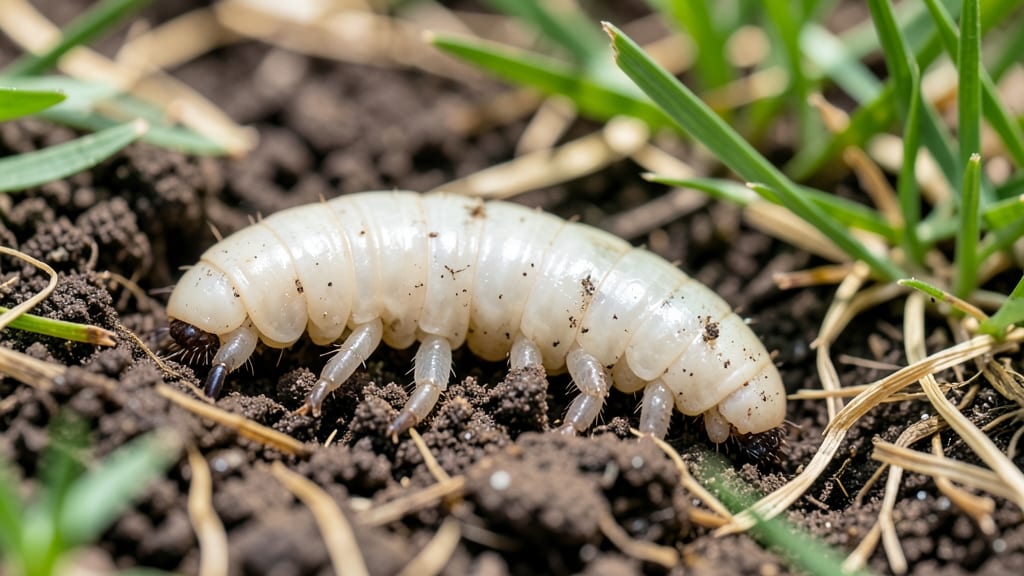
White grubs in soil can be good or bad —but when they multiply, they become lawn destroyers, chewing through roots and turning healthy turf into brown patches. 🌱 I’ve seen firsthand how these plump, C-shaped larvae can…