
How To
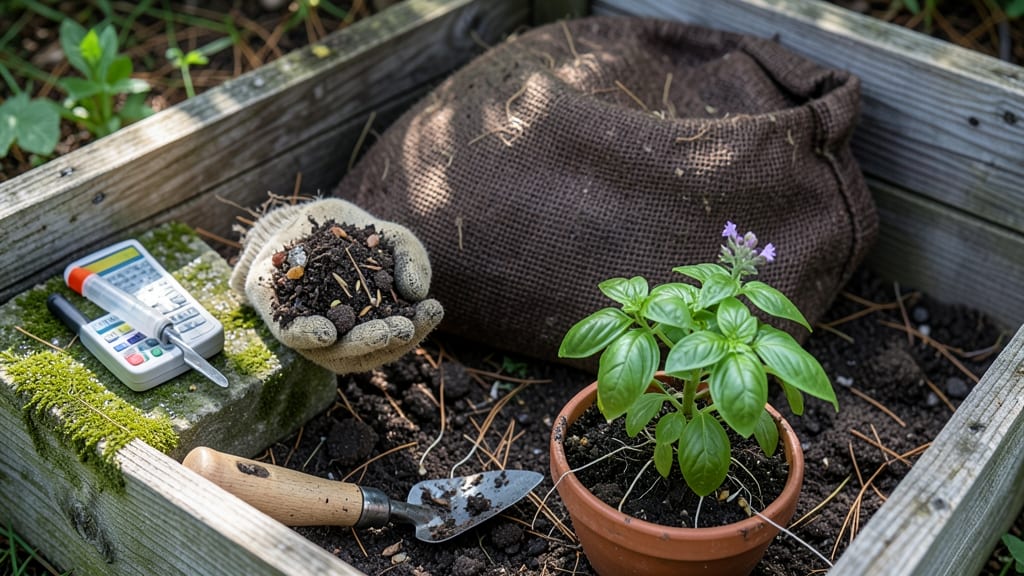
Soil builder improves soil structure, fertility, and water retention to support long-term plant growth, unlike compost or fertilizers which focus primarily on nutrients alone.
Soil builders work by physically transforming soil conditions rather than just adding nutrients.
Think of them as the foundation crew for your garden—whether it's organic materials like aged manure or wood chips, or inorganic options such as biochar or perlite, they create the ideal environment for roots to thrive. 🌱 Unlike compost (which feeds plants) or fertilizer (which delivers quick nutrients), soil builders focus on the soil's physical properties: aeration, drainage, and microbial activity.
For example, peat moss improves water retention in sandy soils, while biochar enhances nutrient availability over time.
What makes soil builders so valuable is their long-term impact. They don't just provide immediate results—they create a sustainable soil ecosystem that supports healthier plants year after year. Many gardeners combine soil builders with compost or fertilizer to get the best of both worlds: immediate nutrition plus long-term soil improvement.
💡 In This Article
- How Soil Builders Enhance Soil Health
- Best Soil Builders for Different Gardening Needs
How soil builders enhance soil health
Soil builders work primarily by transforming the physical and biological structure of your garden soil. Unlike compost—which primarily adds nutrients—or fertilizer—which delivers quick chemical boosts—they focus on creating an optimal environment for roots to grow.
This happens through three key mechanisms: improving soil aeration, enhancing water retention, and stimulating microbial activity. For instance, organic soil builders like aged manure or wood chips break down slowly, releasing nutrients while also improving soil texture over time.
The magic happens at the microscopic level. When you add materials like biochar (charred organic matter), they create tiny pores that hold water and air, which is crucial for root respiration and microbial life.
In sandy soils, where water drains too quickly, adding peat moss or coconut coir can increase water retention by up to 30%, while still allowing excess moisture to escape.
The microbial boost is equally important—healthy soil contains billions of bacteria and fungi that break down organic matter, releasing nutrients in forms plants can absorb.
Consider how soil builders differ from compost in action. Compost primarily feeds plants by providing decomposed organic matter rich in nitrogen, phosphorus, and potassium. But soil builders like worm castings or straw improve soil structure by adding fibrous material that binds soil particles together, creating larger aggregates.
These aggregates improve drainage in heavy clay soils while still holding moisture in sandy soils. The result? Roots grow deeper and stronger because they're not struggling with compacted or waterlogged conditions.
One of the most underrated benefits is how soil builders create a self-sustaining ecosystem. Over time, they increase the soil's cation exchange capacity (CEC), which is its ability to hold onto essential nutrients like calcium, magnesium, and potassium.
This means your plants get a steady supply of nutrients rather than relying on frequent fertilizer applications. For example, adding 2-3 inches of composted leaves annually can increase CEC by 15-20% over three years, creating a more resilient growing medium.
Let's talk about the science of microbial activity. Soil builders provide food for beneficial microbes through slow-release organic matter. These microbes then break down complex organic compounds into simpler forms that plants can absorb.
The byproducts of this microbial activity—like glomalin from fungal hyphae—actually help bind soil particles together, further improving structure. This is why healthy soil often has a spongy texture that crumbles easily when moist, rather than feeling hard or gummy.
For practical application, think about how you'd use soil builders in different scenarios. In a raised bed with poor drainage, you might mix in 20% coconut coir to improve water retention while adding 10% biochar to enhance nutrient availability.
In contrast, a clay-heavy garden would benefit from 30% composted wood chips to break up compaction and improve aeration. The key is matching the soil builder to your specific soil type and plant needs.
The long-term benefits make soil builders an essential part of sustainable gardening. Unlike synthetic fertilizers that can degrade soil health over time, soil builders create a living, breathing environment that supports plant growth naturally.
This is why many organic gardeners prioritize soil building as their first step—healthy soil leads to healthy plants, and that's where the real magic happens. 🌱