What changed, and what it changed for you
When this site began, it was a single notebook page of scribbled notes from Yvette’s grandfather’s garden—half-memories, half-guesses, all mixed together.
The first hundred visitors got a wall of text about ‘how to fix dead plants’ with no structure, no photos, and a disclaimer that ‘this might not work for you.’
Today, every guide starts with the question *‘will this work where you live?’* and ends with a checklist of what to watch for. The difference? The first version assumed gardening was a set of universal rules. Now it treats soil, sun, and seasons like variables in an equation—because they are.
| It used to be | Now it is |
|---|---|
| A single ‘tips’ page with 12 bullet points on seed-starting, no examples. | Each method (direct sow, transplant, cold-frame) has its own page with step-by-step photos and a ‘common mistakes’ section. |
| Plant profiles were just names and ‘this grows here’ photos. | Every profile now includes hardiness zones, companion plants, and a ‘what to do if it fails’ troubleshooting box. |
| No way to search for ‘shade-tolerant’ or ‘fast-growing’—you had to read every post. | Tags and filters let you sort by light needs, soil type, and growth speed before you even open a guide. |
| Advice was written in the present tense: ‘You’ll need this.’ | Now it’s future-tense: ‘You’ll need this *unless* your soil is clay, in which case try this instead.’ |
The one that took years
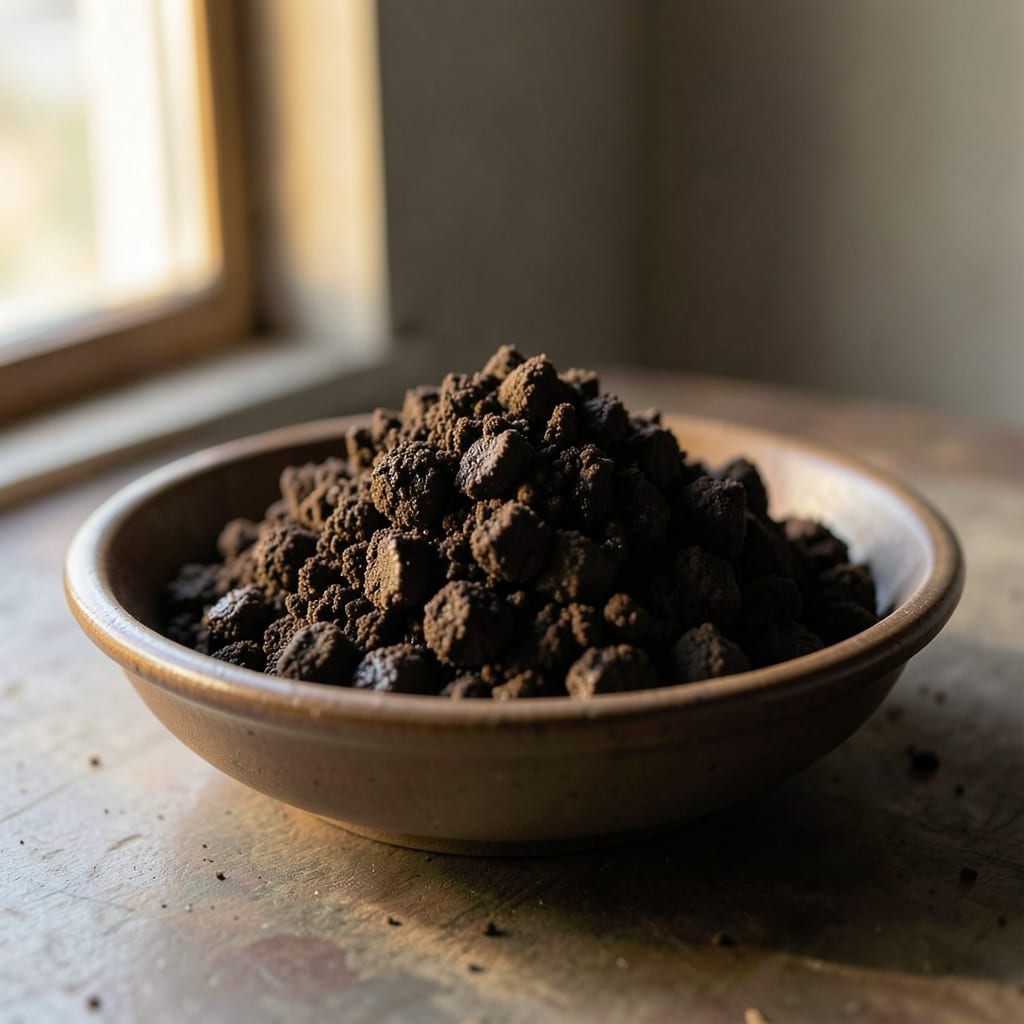
The biggest mistake was treating gardening like a science textbook. For years, the site listed *‘ideal’* conditions—‘6–8 hours of sun,’ ‘well-draining soil’—without explaining what to do when your yard didn’t match.
Visitors would email asking, *‘But my backyard is all shade and compacted clay—what now?’* and I’d reply with vague suggestions like ‘try a raised bed.’
The problem wasn’t the advice. It was that I’d never gardened in anything but loose, sunny soil. I’d spent my teens in Michigan’s rich black earth and my twenties in a rented backyard with perfect drainage.
When a reader in Phoenix or Seattle wrote in, I had no answer beyond ‘ask a local nursery.’
It took moving to a rental with a north-facing patio—where nothing would grow unless I hacked the conditions—to realize the site was failing half its audience. The fix?
Rewriting every guide to start with *‘Here’s what you need to ignore if you’re not in Zone 5.’* And adding a ‘hack the rules’ section to each one.
That cost 18 hours of editing per guide, plus hiring a photographer to document workarounds (like growing tomatoes in containers instead of in-ground).
Meet the author
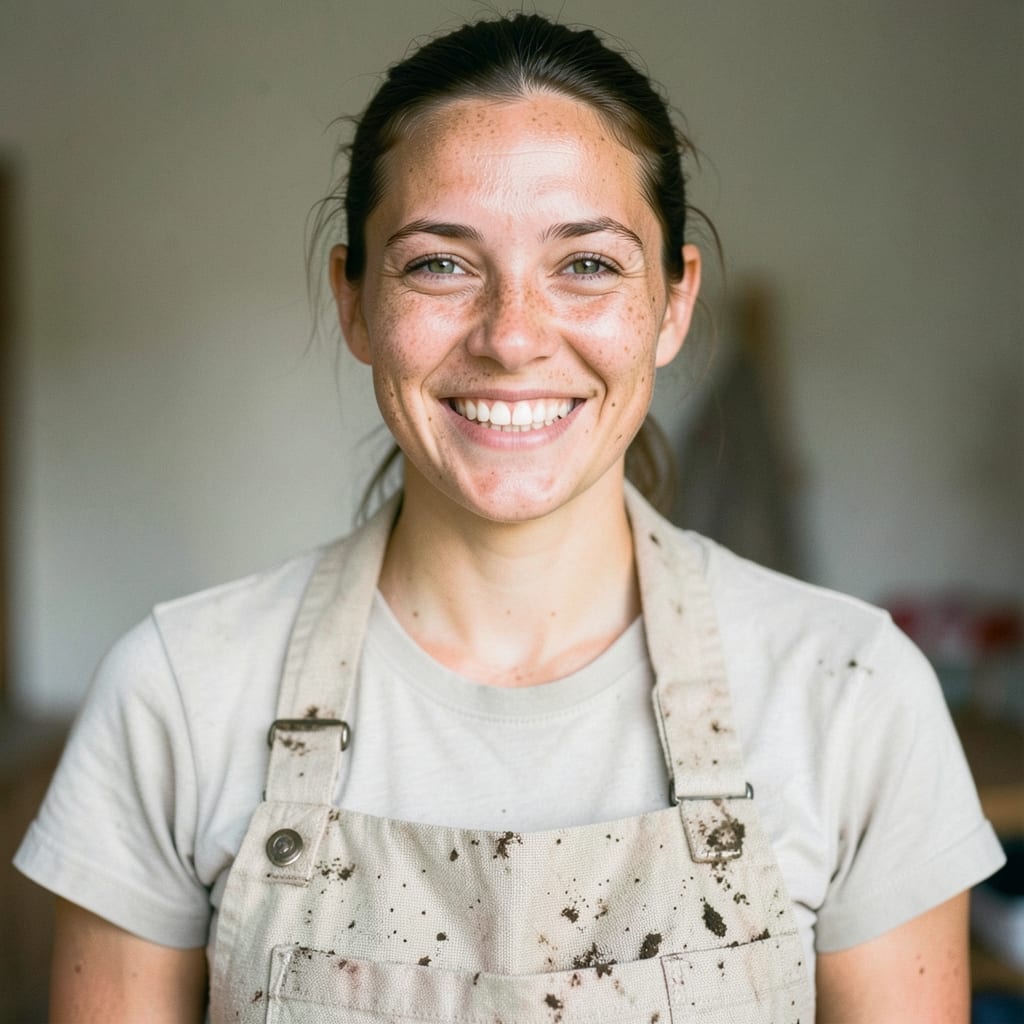
I used to believe gardening was about following instructions. At 14, I’d volunteer at the community garden and memorize the ‘perfect’ spacing for lettuce—only to watch my rows bolt in the heat.
My grandfather would shrug and say, *‘Plants don’t read books, kid,’* but I’d keep adjusting the watering schedule like it was a math problem.
For years, I wrote advice as if every garden was a blank slate. I’d tell people to ‘test their soil’ without mentioning that most renters can’t dig up their yard. I’d recommend ‘mulching heavily’ without noting that straw costs $8 a bale in winter. The worst mistake?
Assuming that if I’d succeeded, anyone could too.
What changed: I stopped writing for myself.
Now, Yvette Baptiste runs this site from a 400-square-foot urban lot where the soil is 60% clay and the sun hits for exactly 3.5 hours a day. Here, she tests every tip in real conditions—then adds a ‘what I’d do differently’ note at the end.
The goal isn’t to sound like a gardening guru. It’s to admit that even the ‘perfect’ plan fails, and show how to fix it.
What did not change
The core belief is still the same: Gardening isn’t about having the right tools or the prettiest rows. It’s about paying attention to what’s actually growing—and what’s not.
The first post on this site was about how to save a wilting basil plant by cutting it back and pinching the flowers. That advice hasn’t changed, because the problem hasn’t: People still overwater, still prune at the wrong time, still assume plants are obliging.
Another thing that stayed? The stubborn focus on edibles over ornamentals. Yvette’s grandfather grew tomatoes, not petunias, and his lessons—*‘A bad harvest is better than no harvest’*—still open every guide. The site will never feature a ‘10 Steps to Perfect Dahlias’ tutorial, because dahlias don’t feed anyone.
The point is to grow food, not decor.
What is still being fixed
Right now, the biggest gap is for small-space gardeners. The site has great advice for backyards, but container growing is still a mess of ‘try this mix’ without clear measurements. Yvette’s testing a new ‘square-foot grid’ system for balconies, but the photos aren’t sharp enough to show root depth.
And the ‘troubleshooting’ section for indoor herbs keeps getting longer because no two apartments have the same light.
If you’ve got a tip for growing in tight spaces, a photo of a thriving container setup, or even a rant about what *doesn’t* work, the contact page is where to send it.
Things that would help
- A photo of your most successful small-space garden (even if it’s just herbs on a windowsill).
- A specific problem you’ve solved—like ‘I grew peppers in a 5-gallon bucket using this hack.’
- A question that stumped you for weeks (we’ll test the answer and write it up).
The guides are grouped by category: Advice, Aphids, Blooming, Companion Plants, Container Gardens and Diseases.