
How To
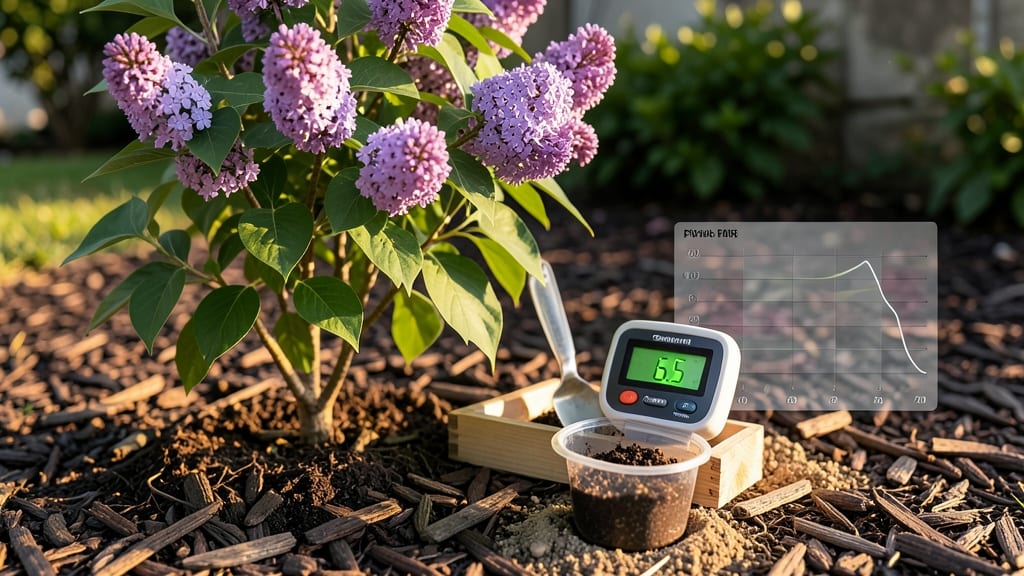
Getting your lilac 🌸 soil pH right is the key to unlocking those show-stopping blooms and lush green leaves you’ve been dreaming of.
Struggling to get your lilacs to bloom as beautifully as their fragrant reputation? The secret might be hiding in your soil’s pH—getting it wrong can leave your shrubs struggling, while the perfect balance unlocks vibrant flowers and lush foliage.
Lilacs thrive in soil with a pH between 6.0 and 7.0, a range that’s often overlooked but makes all the difference in how your plants grow. Too acidic or alkaline, and you’ll notice fewer blooms, yellowing leaves, or even stunted growth.
In this guide, I’ll walk you through testing your soil, adjusting the pH naturally, and keeping your lilacs healthy for years to come—so you can enjoy those sweet-scented blooms every spring.
Optimal lilac soil pH levels for maximum blooms and growth
If your lilacs (Syringa species) aren’t blooming as abundantly as you’d like, the culprit might be your soil pH. These fragrant shrubs thrive when their soil chemistry is just right—typically between 6.0 and 7.0, which is slightly acidic to neutral.
When pH strays too far from this range, your lilacs may struggle with nutrient uptake, weakened growth, or even pest invasions. Understanding this balance is key to unlocking those vibrant purple, pink, or white blooms you love.
Lilacs are particularly sensitive to soil conditions because they rely on micronutrients like iron, zinc, and manganese, which become less available in either overly acidic (pH < 6.0) or alkaline (pH > 7.0) soil.
For example, a pH below 5.5 can cause chlorosis (yellowing leaves), while a pH above 7.5 may lead to stunted flowering and poor root development. Testing your soil’s pH is the first step to giving your lilacs the perfect foundation for growth.
| pH Range | Lilac Response | Key Nutrient Issues | Action Needed |
|---|---|---|---|
| Below 5.5 | Poor growth, yellow leaves, few blooms | Iron, manganese toxicity | Add lime to raise pH |
| 5.5–6.0 | Moderate growth, some blooms | Mild nutrient lockout | Add compost for balance |
| 6.0–7.0 | Optimal growth, abundant blooms | Balanced nutrient uptake | Maintain with organic matter |
| 7.0–7.5 | Slow growth, sparse blooms | Phosphorus, iron deficiency | Add sulfur to lower pH |
| Above 7.5 | Stunted growth, no blooms | Severe nutrient lockout | Add elemental sulfur or peat moss |
Testing your soil’s pH is simpler than you might think. You can use a home soil test kit (available at garden centers for under $10) or send a sample to a local agricultural extension office for a professional analysis.
To collect a sample, dig a small hole near your lilac’s root zone (about 6 inches deep) and gather soil from multiple spots around the shrub. Mix these samples together to get an accurate reading of your garden’s overall pH.
Once you’ve determined your soil’s pH, you’ll know whether to raise or lower it to the ideal 6.0–7.0 range. For example, if your test reveals a pH of 5.0, your lilacs are likely suffering from acidic soil stress, which can be corrected by adding pelletized lime.
Conversely, a pH of 8.0 indicates alkaline soil, which may require elemental sulfur or pine needles to acidify the soil gradually. Both adjustments should be made in early spring or fall, when lilacs are dormant and less stressed.
Beyond pH, lilacs also benefit from well-draining soil rich in organic matter. Amending your soil with compost or aged manure not only improves nutrient availability but also enhances soil structure, which helps maintain the ideal pH over time.
Avoid heavy clay soils, as they can become waterlogged and compacted, further stressing your lilacs. If your garden soil is naturally heavy, consider planting lilacs in a raised bed with a mix of topsoil and compost.
Pests like aphids and spider mites often target lilacs growing in unbalanced soil pH. For instance, overly acidic soil can weaken plants, making them more susceptible to infestations. By keeping your soil pH in check, you’re not only promoting healthier growth but also reducing the risk of pest problems.
Regularly monitoring your lilacs for signs of stress—such as yellowing leaves, stunted growth, or poor flowering—can help you catch pH-related issues early and take corrective action before they worsen.
If you’ve recently planted lilacs and notice they’re not thriving, give your soil a 6-month adjustment period
How to adjust lilac soil pH: step-by-step amendments for perfect balance
Once you’ve tested your lilac soil pH and discovered it’s outside the ideal 6.0–7.0 range, don’t panic—adjusting it is simpler than you think. Lilacs thrive in neutral to slightly alkaline soil, but even small shifts can dramatically improve their flowering potential and foliage health.
The key lies in using the right amendments at the right time, whether you need to raise pH (for acidic soil) or lower pH (for alkaline soil).
I’ve found that organic matter like compost or well-rotted manure works wonders for both soil structure and pH balance, while lime and elemental sulfur are the go-to tools for precise adjustments. The best part?
You don’t need fancy equipment—just a little patience and the right timing. Let’s dive into the step-by-step process to get your lilacs back on track for vibrant blooms next spring.
Step-by-Step Guide to Adjusting Lilac Soil pH
- 1 Test Your Soil – Use a soil pH test kit or send a sample to a local extension office. Record the current pH to determine if you need to raise or lower it.
- 2 Choose Your Amendment – For acidic soil (pH < 6.0), use pelletized lime (1–2 lbs per 100 sq ft). For alkaline soil (pH > 7.0), apply elemental sulfur (2–4 lbs per 100 sq ft).
- 3 Apply Organic Matter – Mix in 2–3 inches of compost or well-rotted manure to improve soil structure and nutrient availability. This also helps buffer future pH shifts.
- 4 Work It In – Use a garden fork or tiller to mix amendments into the top 6–12 inches of soil around your lilac’s root zone. Avoid disturbing roots too deeply.
- 5 Water Thoroughly – Give the soil a deep watering to help amendments settle and activate. This is especially critical for sulfur, which needs moisture to lower pH.
- 6 Wait and Retest – Give amendments 2–3 months to take effect, then retest the soil. For lime, changes may appear in 1–2 months; for sulfur, allow 3–4 months.
- 7 Monitor and Maintain – After reaching 6.0–7.0 pH, add compost annually to maintain balance. Retest every 2–3 years, especially if your lilacs show signs of stress.
Timing is everything when it comes to soil amendments. For best results, raise pH in early spring (March–April) or fall (September–October) to give amendments time to integrate before the growing season.
If you’re lowering pH with sulfur, apply it in late summer or early fall—this allows it to work through the winter and spring, when lilacs are most active.
I’ve seen dramatic improvements in my own lilac bushes after just one season of proper pH adjustment. The difference between lackluster blooms and abundant, fragrant clusters is often just a matter of getting the soil chemistry right.
Don’t forget to mulch around the base after amending—this helps retain moisture and keeps the soil stable for your lilacs’ roots.
One common mistake gardeners make is over-amending. Too much lime can make soil too alkaline, while excessive sulfur can create acidic stress