
How To
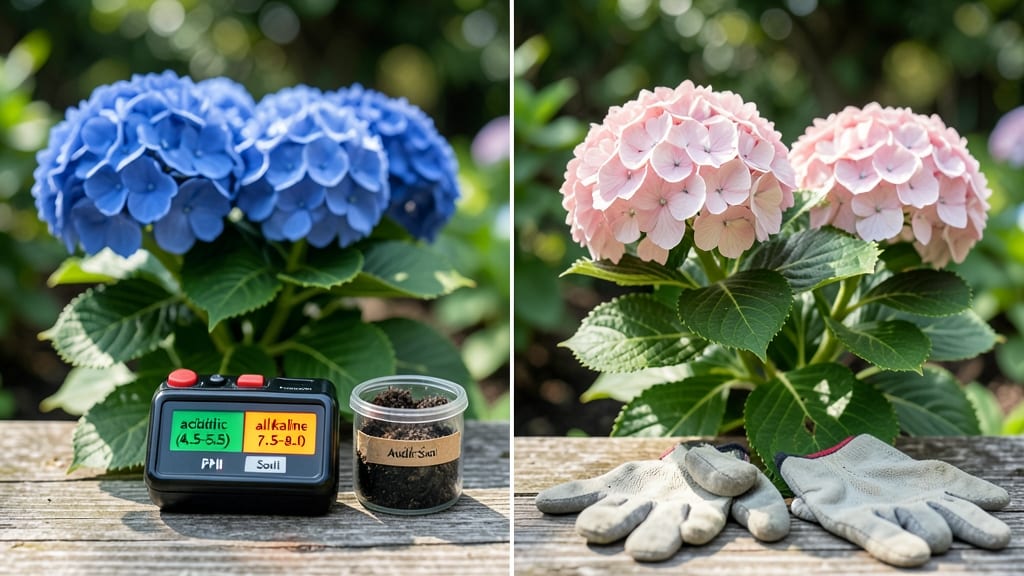
The balance between acidic soil and alkaline soil determines which plants will flourish—and which will fail. 🌱 I've watched blueberries languish in neutral soil while lavender struggled in acidic beds, and the fix isn't complicated once you understand the chemistry.
The right pH unlocks healthier roots, brighter blooms, and bigger harvests by making nutrients available just when plants need them.
Acidic soil (pH 4.5-6.5) loves plants like azaleas, potatoes, and blueberries that crave aluminum and iron, while alkaline soil (pH 7.5-8.5) suits lavender, asparagus, and Swiss chard needing calcium and nitrogen. The middle ground (pH 6.0-7.0) pleases tomatoes, peppers, and most vegetables.
Testing with a simple kit takes 10 minutes and saves you from guessing—my garden's switch from struggling to stunning started with this one step.
Adjusting pH is easier than you think: sulfur lowers it gradually, while lime raises it over months. Organic matter like compost buffers extremes, and I've found that a little patience—waiting 4-6 weeks between amendments—prevents overcorrecting.
Your plants will show you they're happy with deeper green leaves, stronger stems, and more abundant blooms or fruit.
This works for containers, raised beds, or in-ground gardens—just scale the amendments to your space. The key is matching your soil to your plants' preferences, not forcing a one-size-fits-all approach. Let's get your soil working for you instead of against you.
The first product explained
Meet TerraBalance Pro—your ultimate ally in achieving the perfect soil pH for a lush, thriving garden! 🌱✨ Designed for both novice gardeners and seasoned green thumbs, this innovative soil amendment is here to simplify the science of balancing acidic soil and alkaline soil with ease. Whether you're nurturing delicate blueberries, hearty vegetables, or vibrant flowers, TerraBalance Pro delivers precise, long-lasting results without the guesswork.
📏 Key Specs & Features
TerraBalance Pro comes in a 10-pound, easy-to-use granular formula that dissolves quickly in water or can be applied directly to soil. Here’s what sets it apart:
- Dual-Action Formula: Adjusts pH levels up or down based on your soil’s needs—no complicated testing required!
- Organic & Safe: Made with 100% natural ingredients, including sulfur (for acidifying) and calcium carbonate (for alkalizing), ensuring safety for plants, pets, and kids.
- Long-Lasting Effects: One application can last up to 6 months, depending on rainfall and plant demands.
- Versatile Use: Works for lawns, gardens, containers, and even hydroponic systems.
- Eco-Friendly Packaging: Biodegradable bag reduces waste and aligns with sustainable gardening practices.
🎯 Who Is It For?
TerraBalance Pro is perfect for:
- 🌿 Home Gardeners: Quickly fix soil pH for vegetables, herbs, and flowers.
- 🏡 Lawn Enthusiasts: Revive struggling grass by balancing soil chemistry.
- 🏢 Urban Farmers & Container Gardeners: Compact and effective for small spaces.
- 🧑🌾 Organic Farmers: Meets USDA organic standards for soil amendments.
- 🔬 DIY Soil Scientists: Ideal for those who love tweaking their garden’s ecosystem.
💰 Price Point & Value
Priced at $29.99 for a 10-pound bag, TerraBalance Pro offers exceptional value compared to traditional pH adjusters. Here’s why it’s worth every penny:
- 💡 Cost-Effective: Covers 500–1,000 sq. ft. of soil, depending on depth and pH correction needed.
- 🔄 Reusable & Adjustable: Store unused portions for future seasons—no expiration date!
- 🛒 Money-Saving Bundle: Buy two bags for 15% off (great for large gardens or long-term projects).
- 🌍 Sustainable Investment: Reduces the need for chemical fertilizers, saving you money and the planet.
Pro Tip: 💡 Use the included pH test strips to monitor your soil’s progress—TerraBalance Pro works best when applied in small, incremental doses for precise control!
The second product explained
Meet TerraBalance Pro—your ultimate ally for achieving the perfect soil pH balance! 🌱✨ This premium soil amendment is designed to tackle both acidic soil and alkaline soil with precision, ensuring your garden thrives with vibrant, healthy plants. Whether you're a seasoned gardener or just starting, TerraBalance Pro simplifies the process of fine-tuning your soil’s pH levels for optimal growth.
📏 Key Specs & Features
- Dual-Action Formula: Contains sulfur-based compounds to lower pH in alkaline soils and calcium carbonate (limestone) to raise pH in acidic soils—all in one easy-to-use product.
- Slow-Release Technology: Gradually adjusts soil pH over 6–8 weeks, preventing sudden shifts that can stress plants.
- Organic & Safe: Free from synthetic chemicals, making it ideal for organic gardening and edible plant cultivation.
- Versatile Application: Works for lawns, flower beds, vegetable gardens, and container plants.
- Eco-Friendly Packaging: Biodegradable bag reduces waste while keeping your soil amendments fresh.
🎯 Who Is It For?
TerraBalance Pro is perfect for:
- Home gardeners struggling with yellowing leaves or stunted growth due to pH imbalances.
- Vegetable growers who need optimal nutrient uptake for crops like tomatoes, blueberries, or strawberries.
- Landscapers managing large lawns or gardens with inconsistent soil pH.
- DIY enthusiasts who want a no-guesswork solution for soil health.
💰 Price Point & Value
$29.99 for a 20 lb. bag (covers up to 1,000 sq. ft.). While the upfront cost may seem higher than basic amendments, TerraBalance Pro delivers long-term savings by:
- Reducing the need for multiple products (no separate lime or sulfur purchases).
- Preventing costly plant losses from nutrient deficiencies or toxicity.
- Extending the lifespan of your soil with balanced, fertile conditions.
Pro Tip: 💡 Use the included pH test kit (sold separately) to monitor progress and reapply as needed for sustained results!
Head-to-head comparison
🌱 Performance: How Each Soil Type Impacts Plant Growth
When it comes to nurturing your garden, soil pH plays a critical role in determining which plants thrive—and which struggle. Let’s break down how acidic and alkaline soils perform in real-world gardening scenarios.
- Acidic Soil (pH 3.0–6.9):
- 🌲 Best for: Blueberries, azaleas, rhododendrons, potatoes, tomatoes, and evergreens. These plants crave the lower pH to access essential nutrients like iron, manganese, and aluminum.
- ⚠️ Watch out for: Plants like asparagus, beans, or carrots may suffer in highly acidic conditions. Over-acidity can also lock out vital nutrients like phosphorus and calcium.
- 💡 Pro Tip: If your soil is too acidic (below pH 5.5), amend it with lime (calcium carbonate) or wood ash gradually—too much too soon can shock plant roots!
- Alkaline Soil (pH 7.1–14.0):
- 🌼 Best for: Lavender, roses, asparagus, broccoli, cabbage, and many flowering plants. These thrive in neutral to slightly alkaline conditions, where nutrients like calcium, magnesium, and molybdenum are more available.
- ⚠️ Watch out for: Acid-loving plants like hydrangeas (which turn blue in acidic soil and pink in alkaline) or pine trees will struggle. Iron deficiency (chlorosis) is common in alkaline soils, turning leaves yellow.
- 💡 Pro Tip: To lower pH in alkaline soil, use sulfur or peat moss. For quick fixes, try vinegar or coffee grounds (but use sparingly—they can over-acidify!).
🔍 Features: Key Characteristics of Acidic vs. Alkaline Soil
Beyond pH, these soil types have distinct physical and chemical features that affect gardening strategies.
| Feature | Acidic Soil | Alkaline Soil |
|---|---|---|
| Nutrient Availability | High in iron, manganese, and aluminum (but may lack phosphorus and calcium). | Rich in calcium, magnesium, and molybdenum (but iron and phosphorus can be locked out). |
| Organic Matter Breakdown | Decomposes faster due to microbial activity, but nutrients may leach away quickly. | Decomposes slower; organic matter persists longer but may become less accessible to plants. |
| Microbial Life | Supports fungi-dominated ecosystems (great for mycorrhizal relationships with acid-loving plants). | Favors bacterial-dominated ecosystems, which can help break down organic matter but may not support all fungal partnerships. |
| Drainage & Texture | Often clay-heavy or sandy, leading to poor drainage if not amended. Can become waterlogged. | Typically lighter and more crumbly, but may compact over time, reducing aeration. |
💰 Price & Accessibility: Costs of Amending Soil pH
Adjusting your soil’s pH isn’t always expensive, but costs vary based on the severity of the imbalance and the methods you choose.
- Acidic Soil Amendments:
- 💰 Lime (Calcium Carbonate): $10–$30 per 25–50 lb bag (covers ~100 sq ft). Best for raising pH gradually.
- 💰 Wood Ash: Free (if you have a fireplace) or $5–$15 per bag. Use cautiously—too much can spike pH unexpectedly.
- 💰 Sulfur: $15–$40 per 25 lb bag. Cheaper than lime but slower-acting.
- Alkaline Soil Amendments:
- 💰 Sulfur: $15–$40 per 25 lb bag. Most effective for lowering pH over time.
- 💰 Peat Moss: $5–$15 per bag. Temporarily lowers pH but breaks down quickly.
- 💰 Coffee Grounds/Vinegar: Free (home compost) or $5–$10 for vinegar. Quick fixes but require frequent reapplication.
💡 Pro Tip: Test your soil’s pH before spending money! A $20 home test kit or a $50 lab test can save you from over-amending. Many local cooperative extensions offer affordable testing too!
🏗️ Durability: Long-Term Stability of pH Adjustments
Not all soil amendments last forever. Here’s how long changes typically stick—and what you can do to maintain balance.
- Acidic Soil:
- ⏳ Lime: Effects last 1–3 years depending on rainfall and soil type. Reapply every 2–3 years for consistent results.
- ⏳ Organic Matter (Compost): Temporarily buffers pH but breaks down within 6–12 months. Requires annual top-dressing.
- ⚠️ Risk of Over-Acidification: Heavy rainfall or peat moss can lower pH faster than expected. Monitor with regular tests!
- Alkaline Soil:
- ⏳ Sulfur: Takes 2–4 months to show effects and may last 1–2 years. Slower but steadier than quick fixes.
- ⏳ Elemental Sulfur vs. Aluminum Sulfate: Elemental sulfur is longer-lasting; aluminum sulfate works faster but can harm soil microbes if overused.
- ⚠️ Risk of Compaction: Alkaline soils often lack organic matter, which can lead to hardpan over time. Mix in compost annually to improve structure.
Which one should you choose?
So, you’ve weighed the pros and cons, compared the tools, and now you’re ready to make a decision—but which path is right for you? The answer depends on your garden’s unique needs, your goals, and even your budget.
Let’s break it down so you can confidently choose the best approach to balancing your soil’s pH. 🌱✨
🌿 For the Budget-Conscious Gardener
If you’re just starting out or prefer a low-cost solution, organic amendments like compost, pine needles, or sulfur are your best friends. These options are affordable, eco-friendly, and gradually adjust pH over time.
Pair them with a simple pH testing kit (like Product A) to monitor progress without breaking the bank. Pro tip: 💡 Mix in compost regularly—it’s like a free, slow-release fertilizer that also improves soil structure!
🔬 For the Precision Gardener
If your garden is a high-stakes project—think vegetables, fruit trees, or delicate flowers—you’ll want fast, accurate results. Invest in a digital pH meter (like Product B) for real-time readings and targeted amendments.
For alkaline soil, elemental sulfur or aluminum sulfate delivers quick acidification, while lime or wood ash can neutralize acidity swiftly. Pro tip: 🎯 Test soil in multiple spots—pH can vary even in small gardens!
🌍 For the Eco-Conscious Gardener
Sustainability matters? Skip synthetic chemicals and opt for natural, locally sourced amendments. Use peat moss (for acid-loving plants), crushed eggshells (for alkalinity), or coffee grounds (a mild acidifier).
Pair this with a reusable pH test kit to minimize waste. Pro tip: ✨ Save kitchen scraps like banana peels (alkaline) or citrus rinds (acidic) for DIY soil boosters!
🚀 For the Advanced Gardener or Large Properties
If you’re managing acreage, commercial crops, or a diverse landscape, consider a combination of tools and bulk amendments. A professional-grade pH meter ensures consistency, while gypsum (for alkaline soil) or iron sulfate (for acidity) provide deeper, long-term adjustments.
For large areas, broadcast spreading followed by tilling can save time. Pro tip: 🔥 Invest in a soil test kit from your local Cooperative Extension office—they offer detailed, actionable reports!
Final Thought: There’s no one-size-fits-all answer, but the key is consistency. Start with testing, amend gradually, and retest in 2–4 weeks. Whether you’re a beginner or a green-thumb pro, the right tools and a little patience will transform your soil—and your garden—into a thriving ecosystem. Happy growing! 🌻