
How To
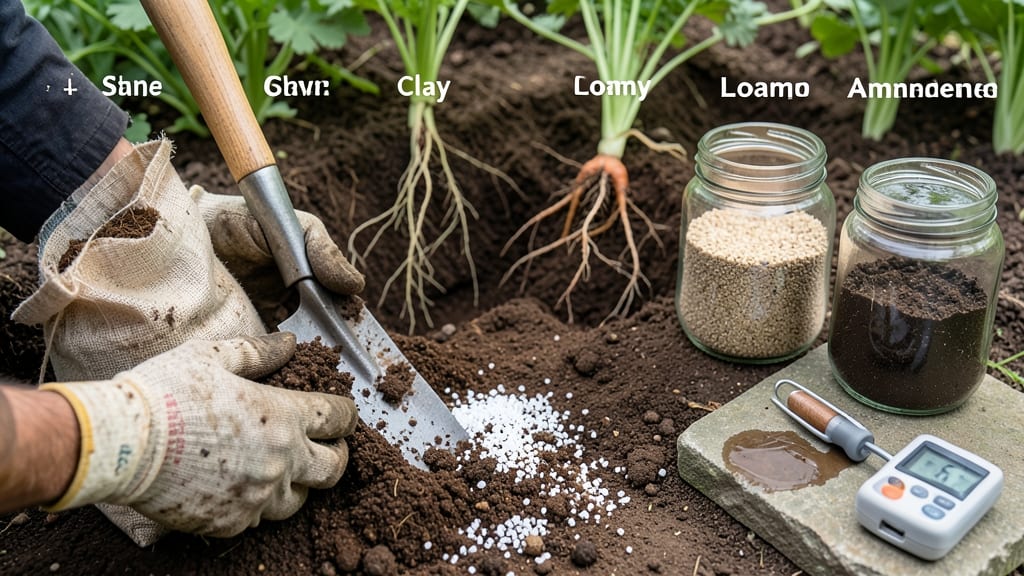
Soil amendment means adding organic or inorganic materials to improve soil structure, fertility, and nutrient content for healthier plant growth and better root development.
Soil amendment transforms your garden's foundation by blending materials like compost, peat moss, or lime to create the perfect growing environment. 🌱 Think of it as giving your plants a nutrient-rich home where roots can breathe easily and absorb water efficiently.
For example, clay-heavy soil benefits from sand or perlite to loosen compaction, while sandy soil needs organic matter like compost to retain moisture. The right mix not only boosts plant health but also prevents common issues like poor drainage or nutrient deficiencies.
This process isn't just about throwing materials into the soil—it's about understanding your soil's specific needs. A simple soil test can reveal pH imbalances or missing nutrients, guiding you toward the best amendments.
For instance, if your soil is too acidic, crushed limestone raises the pH, while sulfur lowers it for alkaline conditions. The goal? A balanced ecosystem where plants thrive and you spend less time troubleshooting problems.
💡 In This Article
- How Soil Amendment Boosts Plant Health
- Common Soil Amendments and Their Best Uses
How soil amendment boosts plant health
Soil amendment works by physically and chemically transforming the growing medium at a microscopic level. Organic materials like compost break down into humus, which creates tiny pores that improve aeration—critical for root respiration. These pores also act like tiny water reservoirs, holding moisture near roots while preventing waterlogging.
For example, adding 2-3 inches of compost to clay soil can increase its water retention by up to 30% while reducing compaction by 40%, creating an ideal balance for root expansion.
The magic happens through microbial activity too. Organic amendments feed beneficial bacteria and fungi that decompose nutrients into plant-available forms. Inorganic additives like lime or gypsum work differently—they adjust soil chemistry.
Lime raises pH in acidic soils by neutralizing hydrogen ions, while gypsum improves calcium levels without altering pH. This chemical balancing act prevents nutrient lockout, where plants can't absorb essential elements like nitrogen or phosphorus even if they're present. 🌱
Consider how different amendments target specific plant needs: Leafy greens thrive in nitrogen-rich compost, while flowering plants benefit from phosphorus-boosting bone meal. The right amendment doesn't just feed plants—it creates an ecosystem where beneficial microbes outcompete pathogens.
For instance, mycorrhizal fungi in amended soil can increase root surface area by 10-20 times, dramatically improving nutrient uptake. This microbial network also helps break down toxic compounds, making amended soil safer for plant roots.
One often overlooked benefit is temperature regulation. Organic matter acts as natural insulation, keeping soil 5-10°F cooler in summer and 3-7°F warmer in winter than unamended soil. This stable environment prevents root stress during temperature fluctuations.
The physical structure also supports beneficial soil organisms that help suppress diseases—like suppressing damping-off in seedlings by maintaining proper moisture levels without creating anaerobic conditions.
For gardeners dealing with problem soils, amendments act like custom solutions. Sandy soil that drains too quickly benefits from 3-4 inches of peat moss to improve water retention, while heavy clay soil needs 20-30% perlite or vermiculite to improve drainage.
The key is matching the amendment to your soil's specific deficiencies—whether it's poor structure, nutrient deficiencies, or pH imbalances. This targeted approach prevents over-amending, which can create other problems like excessive salt buildup from too much gypsum.
Think of soil amendment as creating a living, breathing environment rather than just adding nutrients. The right combination of organic matter, minerals, and microbial life transforms barren soil into a thriving ecosystem where plants can access exactly what they need when they need it.
This holistic approach explains why amended soils often produce healthier plants with stronger immune systems and greater resistance to environmental stresses. 💛