
Planting
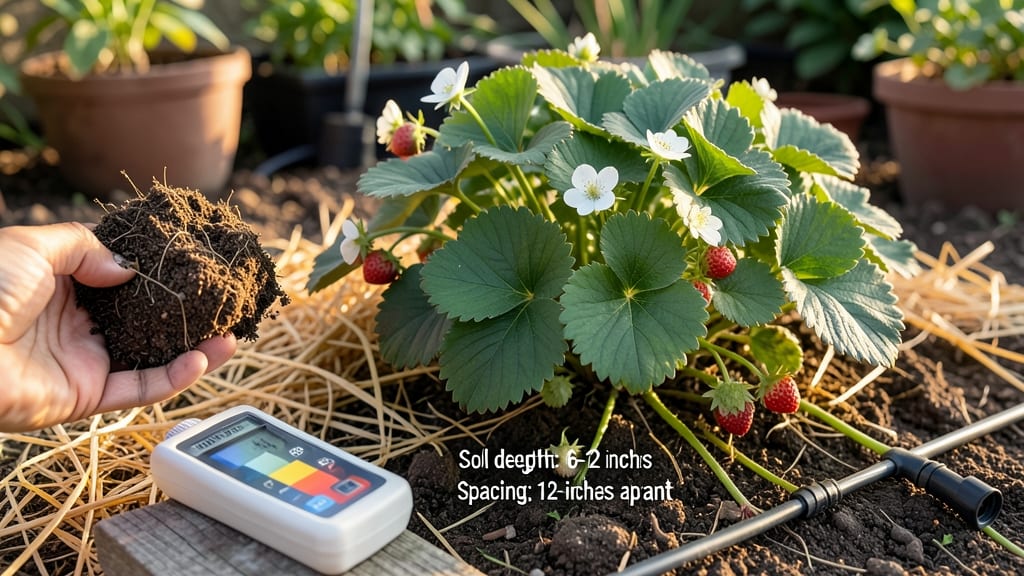
The secret to thriving strawberry plants lies in meeting their soil requirements—acidic loam with a 6.0-6.5 pH is non-negotiable for flavor and yield. 🌱 I learned this the hard way when my first batch turned bland after planting in heavy clay. The difference between store-bought tartness and homegrown sweetness often comes down to soil science. Strawberries crave well-draining, crumbly soil rich in organic matter—think 3-4 inches of compost mixed into the top 12 inches. Sandy soil drains too fast, clay holds too much moisture, but loam strikes the perfect balance. Test your soil's pH first; if it's off, sulfur lowers it, while lime raises it (but use sparingly—strawberries hate alkaline). You'll notice the payoff in juicier fruit and fewer rotten berries by midsummer. The roots spread aggressively, so amend the entire planting area, not just where the plants sit. For containers, use a mix of peat moss, perlite, and compost to mimic ideal conditions. Regional tweaks matter: Northern gardeners may need extra winter mulch, while Southern growers should prioritize shade cloth. The key is consistency—once you get the soil right, strawberries reward you with years of harvests from the same plants.
📚 In This Guide
- What you need
- Instructions
- Tips and common mistakes
- Wrapping up and next steps
What you need
- ● Topsoil (well-draining, loamy soil): 2–3 cubic yards (for a 10’ x 10’ bed) or enough to fill raised beds to 6–8 inches deep.
- ● Compost or aged manure: 2–3 inches mixed into the top 6 inches of soil (adds nutrients and improves texture).
- ○ Peat moss or coconut coir: 1–2 parts (optional for acidic soils, but not required if soil is already in the 6.0–6.5 pH range).
- ● Balanced fertilizer (10-10-10 or 5-5-5): 1–2 cups per 10 sq ft (apply at planting and mid-season).
- ● Lime (if soil is too acidic): Test soil first! Use dolomitic lime (1–2 lbs per 100 sq ft) if pH is below 6.0.
- ● Sulfur (if soil is too alkaline): 1–2 lbs per 100 sq ft (for pH adjustments above 6.5).
- ● Mulch (straw, pine needles, or wood chips): 2–3 inches (retains moisture, suppresses weeds, and regulates temperature).
- ● Garden trowel or spade: For digging and mixing soil.
- ● Soil pH test kit: Critical! Adjustments depend on accurate readings (digital or liquid test kits work best).
- ● Garden fork: Loosens compacted soil before planting.
- ● Wheelbarrow or bucket: For mixing amendments (5–10 gallons capacity).
- ● Gloves & knee pads: Protect your hands and joints during prep!
- ○ Optional: Soil moisture meter (to track watering needs).
- ● Raised bed kit (if planting in containers or elevated beds).
- ● Organic matter like leaf mold or worm castings (boosts soil health).
How to prepare soil for strawberry plants
Sweet strawberries start with the right soil—here’s how to create the perfect acidic loam mix for your patch.
🌱 Step 1: Test Your Soil’s Current pH and Texture
Strawberries thrive in a slightly acidic loam with a pH of 6.0-6.5. Grab a soil test kit (available at garden centers) and take a sample from your planting area. Dig a 6-inch deep hole, collect soil from the sides, and follow the kit instructions. If your pH is higher than 6.5, you’ll need to lower it—lime raises pH, so avoid it entirely.
Next, check the texture. Press a handful of moist soil—it should crumble easily but hold its shape. If it feels gritty (sandy) or sticky (clay), you’ll need to amend it. Sandy soil drains too fast, while clay holds too much water. Aim for a loamy texture—that’s the sweet spot for strawberries.
💧 Step 2: Amend the Soil for Drainage and Nutrients
Strawberries hate soggy roots, so if your soil drains poorly, mix in 2-3 inches of compost (from your ingredients list) to improve aeration. I like to work in 1-2 inches of coarse sand or perlite for extra drainage—just stir it into the top 6-8 inches of soil. This prevents root rot while keeping moisture where it’s needed.
For nutrients, add a balanced organic fertilizer (like 5-5-5) at a rate of 1 pound per 100 square feet. Work it into the top 4-6 inches of soil. Avoid fresh manure—it can burn delicate strawberry roots. If your soil is very poor, a slow-release fertilizer will keep plants fed without risk of overdoing it.
☀️ Step 3: Adjust pH for Optimal Fruit Sweetness
If your soil’s pH is above 6.5, you’ll need to lower it. Sprinkle elemental sulfur (not aluminum sulfate) over the planting area at a rate of 1 pound per 100 square feet. Work it into the top 6 inches of soil. Sulfur takes 2-3 months to adjust pH, so plan ahead. Retest the soil after 8 weeks to confirm it’s in the 6.0-6.5 range—that’s the sweet spot for flavorful fruit.
If your soil is already acidic (below 6.0), add ground limestone (but only sparingly—it’s hard to reverse). Mix it lightly into the top 2-3 inches of soil. Strawberries are sensitive, so small adjustments are safer than big ones. Always retest after amending.
✂️ Step 4: Create Raised Beds or Mounds for Better Growth
Strawberries love well-draining soil, so if your garden has heavy clay or poor drainage, consider building raised beds or mounds. Pile soil into 6-inch high mounds spaced 2-3 feet apart. This elevates roots above waterlogged areas while keeping them cool in summer. For in-ground planting, dig trenches 6 inches deep and fill them with your amended soil mix.
Once your beds or mounds are ready, let them settle for 1-2 weeks before planting. This gives the soil time to compact slightly and prevents seedlings from sinking too deep. A good rule of thumb: the crown (where leaves meet roots) should sit just above soil level—never buried.
🪴 Step 5: Mulch to Retain Moisture and Prevent Weeds
After planting, apply a 2-3 inch layer of organic mulch (like straw or shredded leaves) around your strawberries. This keeps soil moist, suppresses weeds, and regulates temperature. Avoid wood chips—they can rob nitrogen from the soil as they break down. Replenish mulch every 3-4 months to maintain the layer.
Here’s the thing—mulch also slows erosion and protects berries from dirt splatter. I like to pull mulch back slightly from the crown to prevent rot. Water lightly after mulching to settle everything in place. Your strawberries will thank you with bigger, sweeter fruit.
Tips & tricks for perfect strawberry plant soil
Creating ideal soil for strawberries isn't just about following steps—it's about understanding why each detail matters. These insights will help you avoid common pitfalls and get the most out of your patch.
Testing Accuracy: When using a soil test kit in Step 1, take multiple samples from different areas of your garden—soil can vary dramatically even in small spaces. I've seen gardens where one side tested at 6.8 while the other hit 7.2, requiring different treatments. Always test in the exact spot where you plan to plant, as pH can change just a few feet away. The goal is that perfect 6.0-6.5 range for every planting area.
Amendment Strategy: In Step 2, when mixing in compost and sand, work these amendments into the soil in layers rather than all at once. Start with 1 inch of compost, till it in, then add your sand or perlite. This gradual approach prevents creating pockets of pure amendment that can disrupt root growth. Think of it like making a layered cake—each ingredient has its place and purpose for the final texture.
pH Adjustment Timing: The 2-3 month wait for sulfur to work in Step 3 is non-negotiable, but you can speed up the process slightly by watering the soil after applying sulfur. This helps dissolve the sulfur faster, though it won't reduce the full 8-week testing period. I've found that applying sulfur in early spring gives you time to test and adjust before planting season. For limestone adjustments, work it in during dry weather to prevent clumping.
Mulch Placement: When applying mulch in Step 5, create a small well around each plant stem to direct water straight to the roots. This prevents water from pooling around the crown where it can cause rot. I like to use a small garden rake to create these mini channels—it takes just a minute per plant but makes a huge difference in preventing disease. Also, avoid piling mulch against the stems, even if it looks neat.
Pro Tips for Strawberry Plant Soil Requirements
- Creating ideal soil for strawberries isn't just about following steps—it's about understanding why each detail matter...
- Testing Accuracy: When using a soil test kit in Step 1, take multiple samples from different areas of your garden—soi...
- Amendment Strategy: In Step 2, when mixing in compost and sand, work these amendments into the soil in layers rather ...
Frequently asked questions
Got questions about the perfect soil for your strawberries? We’ve got answers! Here are some of the most common concerns—plus quick fixes to keep your plants thriving.
What’s the easiest way to test my soil’s pH at home?
Use a soil pH test kit (available at garden centers) or a DIY vinegar/baking soda test. For accuracy, send a sample to your local Cooperative Extension Service. Strawberries love 6.0–6.5 pH, so adjust with lime (to raise pH) or sulfur (to lower it) if needed. Pro tip: Test in spring before planting!
Can I plant strawberries in cold, heavy clay soil?
Yes, but amend it first! Mix in 3–4 inches of compost or aged manure and sand or perlite to improve drainage. Strawberries hate soggy roots, so raised beds or mounded rows work well in clay. Pro tip: Add a 1-inch mulch layer (straw or pine needles) to insulate roots in winter.
How often should I fertilize strawberry plants?
Feed lightly in early spring (before blooming) with a balanced 10-10-10 fertilizer or compost tea. Avoid high-nitrogen fertilizers—they boost leaves over fruit! Pro tip: Top-dress with well-rotted manure in late summer to prep for next year’s harvest.
What can I do if my strawberries taste bland or sour?
Bland/sour fruit often means low potassium or calcium. Try:
- Epsom salt (1 tbsp per gallon of water) for magnesium.
- Crushed eggshells (for calcium) worked into soil.
- Ensure consistent moisture—drought stress reduces sweetness.
Pro tip: Harvest when fully red and slightly soft for peak flavor!
Are there any soil alternatives for container-growing strawberries?
Yes! Use a well-draining mix like:
- 50% peat moss or coco coir
- 30% perlite or vermiculite
- 20% compost
Add a slow-release fertilizer (like Osmocote) and repot every 2–3 years to refresh nutrients. Pro tip: Choose everbearing or day-neutral varieties for containers—they fruit better in pots!
Wrapping up and next steps
Growing juicy, sweet strawberries starts with the right soil—well-draining, slightly acidic loam with a pH of 6.0–6.5 is your secret weapon! 🌱 With the right nutrients, organic matter, and proper drainage, your strawberry plants will thrive and reward you with bountiful harvests.
Now that you’ve got the soil science down, it’s time to roll up your sleeves and get planting—or tweak your garden bed for peak strawberry success!
💡 Pro Tip: Test your soil and amend it gradually. Happy growing—your taste buds will thank you!