
How To
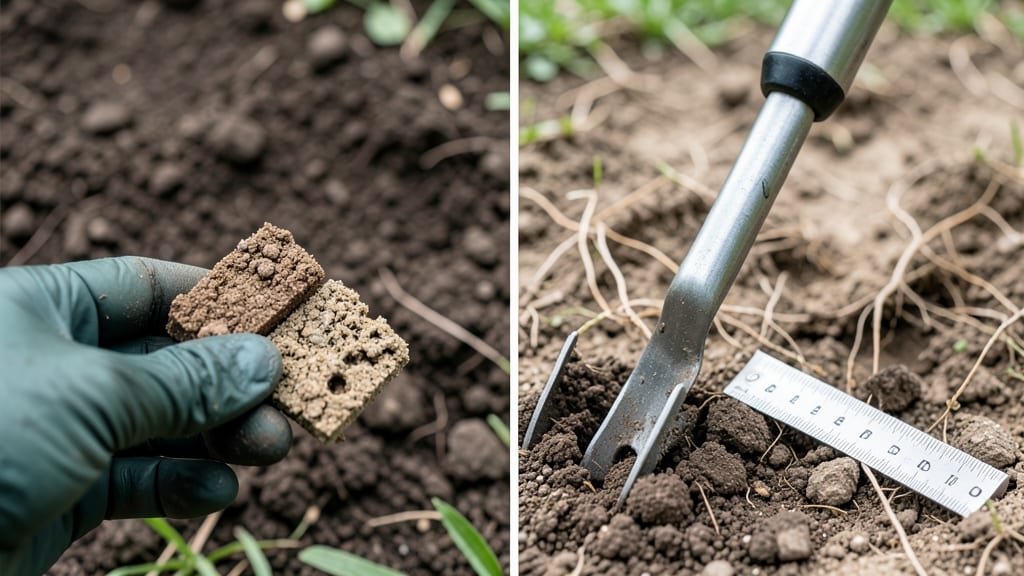
Aerating soil means creating air pockets in compacted dirt to help roots breathe, absorb water, and access nutrients more efficiently, which keeps plants thriving in your garden or lawn.
Aerating soil isn't just about digging—it's about restoring the natural balance of your garden's foundation.
Compacted soil acts like a dense sponge, squeezing out oxygen and trapping water, which suffocates roots and stunts growth. 🌱 Think of it as giving your plants room to stretch their roots deeper, while also encouraging beneficial microbes to break down organic matter.
This process is especially critical after heavy foot traffic or during dry spells, when soil tends to compress naturally.
For lawns, aeration often means using a core aerator to pull out small soil plugs, while garden beds benefit from manual tools like forks or spades. The key is timing—spring and fall are ideal because the soil is moist but not waterlogged, making it easier to work with.
I've found that a simple DIY approach with a garden fork works wonders for small areas, though larger lawns may need a rental machine for even coverage.
💡 In This Article
- How Soil Aeration Boosts Root Health and Plant Growth
- Best Methods for Aerating Soil in Gardens and Lawns
How soil aeration boosts root health and plant growth
Soil aeration works by creating tiny air channels that break up compacted layers, allowing oxygen to reach plant roots. When soil becomes dense—often from foot traffic, heavy machinery, or natural settling—it squeezes out vital air pockets, which can drop oxygen levels below 5% (ideal levels are 10-25%).
This suffocation forces roots to grow horizontally instead of downward, where they can access deeper moisture and nutrients. 🌱 The result? Stunted growth, yellowing leaves, and plants that struggle to support themselves.
These air pockets also serve as highways for water and nutrients. Compacted soil repels water like a waterproof membrane, causing runoff instead of absorption. Aeration improves water infiltration by up to 30%, ensuring roots get consistent hydration.
Meanwhile, beneficial microbes—like mycorrhizal fungi—thrive in well-aerated soil, breaking down organic matter into plant-available nutrients. Without proper aeration, these microbes suffocate, reducing nutrient uptake by 20-40%.
Root expansion is another critical benefit. Aerated soil allows roots to penetrate deeper, accessing nutrients stored in lower layers. For example, lawn grasses with aerated roots can grow 2-3 times deeper than those in compacted soil, making them more drought-resistant.
This deeper growth also stabilizes the soil, preventing erosion and improving overall plant resilience during storms or heavy rains.
Consider the difference between a well-aerated garden bed and one that's been walked on repeatedly. In compacted soil, roots may only spread 2-4 inches deep, while aerated soil encourages roots to grow 8-12 inches down**.
This deeper reach means plants can access water and nutrients even during dry spells, reducing the need for frequent watering or fertilizing.
Microbial activity is another key player. Aerated soil supports a diverse ecosystem of bacteria and fungi that decompose organic matter, releasing nutrients like nitrogen, phosphorus, and potassium in forms plants can absorb.
Without aeration, these microbes become less active, leading to nutrient deficiencies that show up as weak stems, poor flowering, or yellowing leaves—even when you're fertilizing regularly.
The physical structure of aerated soil also matters. Well-aerated dirt has a crumbly texture, almost like a sponge, allowing roots to spread easily. In contrast, compacted soil feels hard and dense, like packed clay.
This difference is especially noticeable in lawns: aerated turf springs back after being walked on, while compacted grass stays flattened and recovers slowly.
For gardeners, this means healthier plants with stronger immune systems. Aerated soil reduces stress on roots, allowing them to focus on growth rather than survival.
It’s the difference between a struggling plant that barely flowers and one that thrives with vibrant blooms and lush foliage—all because its roots have the space and resources they need. 💫