
Propagation
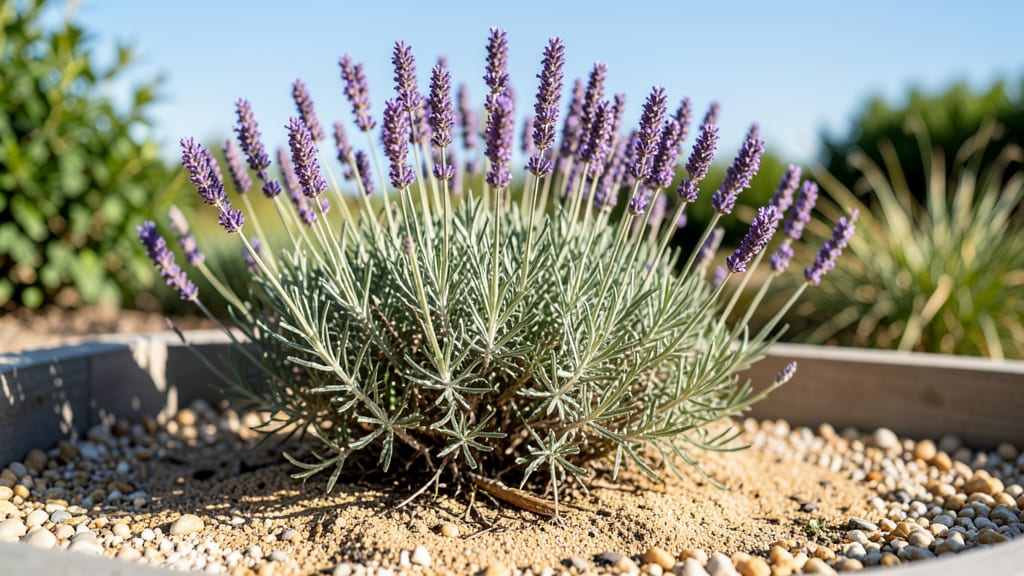
For healthy lavender growth, soil must have excellent drainage, a slightly alkaline pH between 6.5–7.5, and a gritty, well-aerated texture to prevent root rot and maximize bloom production. A blend of sandy loam or garden soil mixed with perlite or coarse sand creates the ideal foundation.
Lavender thrives when its roots stay dry and oxygenated, which is why well-draining soil is non-negotiable. 🌿 The plant’s native Mediterranean habitat features rocky, nutrient-poor soils, so mimicking that gritty texture in your garden or pots is key.
If your soil feels heavy or clay-like, amending it with 30% perlite or coarse sand can transform its structure. I’ve found that even a small pH adjustment—using crushed limestone or wood ash—can make a dramatic difference in plant vigor, especially in acidic native soils.
When mixing soil for lavender, balance is everything. Sandy loam works best for in-ground planting, while container mixes should include 50% potting soil, 30% perlite, and 20% coarse sand to prevent compaction. Always test your soil’s pH before planting, as lavender’s delicate roots struggle in acidic conditions.
Pro tip: If your blooms look pale or sparse, it’s often a sign of either poor drainage or incorrect pH—both easily fixable with the right soil prep.
💡 In This Article
- Why Lavender Needs Well-Draining, Alkaline Soil
- DIY Lavender Soil Mix: The Best Blends for Pots and Garden Beds
Why lavender needs well-draining, alkaline soil
Lavender's soil requirements stem directly from its Mediterranean roots, where it evolved to thrive in rocky, nutrient-poor environments with minimal rainfall. The plant's shallow but extensive root system spreads horizontally just below the surface, making it extremely sensitive to waterlogging.
When soil stays soggy, lavender roots suffocate from lack of oxygen, leading to root rot—a fungal disease that turns roots black and mushy within days. This is why even a brief period of dampness can be catastrophic, especially during cool weather when microbial activity accelerates.
The slightly alkaline pH range of 6.5–7.5 isn't just a preference—it's essential for nutrient availability. Lavender absorbs key minerals like calcium and magnesium more efficiently in alkaline conditions. In acidic soils (below pH 6.0), these nutrients become locked away, causing stunted growth and pale foliage.
The plant's native limestone-rich soils provide this natural alkalinity, which is why gardeners often need to amend clay-heavy soils with crushed limestone or wood ash. Interestingly, lavender's ability to tolerate poor soil quality comes from its deep evolutionary adaptation—it's not picky about nutrients, just drainage and pH.
Texture plays a crucial role in preventing fungal diseases like Phytophthora, which thrives in compacted, water-retentive soils. The ideal gritty texture—achieved with 30-50% perlite or coarse sand—creates air pockets that allow oxygen to reach the roots while preventing water from pooling.
I've noticed that lavender grown in pure sandy soil often produces more vigorous blooms than in loamy soil because the larger particles prevent capillary action from drawing moisture upward. This is particularly important in containers, where water can evaporate quickly but also accumulate at the bottom if drainage isn't perfect.
What most gardeners overlook is how soil temperature affects these requirements. Lavender roots prefer cooler soil temperatures (60-65°F) and can suffer in hot, dense soils that bake during summer. The gritty texture helps regulate temperature by allowing heat to dissipate quickly.
In my own garden, I've seen lavender plants in amended soil survive summer heatwaves when nearby plants in regular garden soil wilted—proof that proper texture isn't just about water but also thermal regulation.
Consider this comparison: In heavy clay soil (which holds 40-50% water by volume), lavender roots may rot within 2-3 weeks of planting. But in a well-amended mix with 20% perlite and 10% coarse sand, the same roots stay dry with only 10-15% water retention.
This dramatic difference explains why lavender often thrives in poor-quality soils when properly amended—it's not about fertility, but about creating the right physical environment for its delicate root system.
The visual clues of healthy lavender growth—vibrant purple blooms, silvery-green foliage, and sturdy stems—all point to proper soil conditions. When roots have the right balance of drainage and alkalinity, the plant directs its energy toward flower production rather than struggling to survive.
This is why even experienced gardeners sometimes get lavender wrong—they focus on fertilizer rather than fixing the fundamental soil issues first.