
Container Gardens
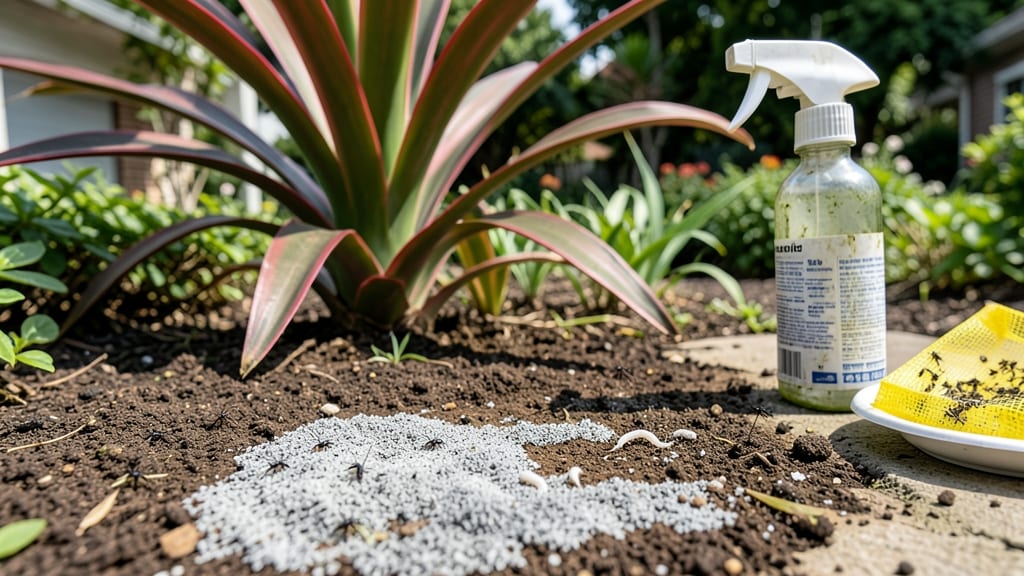
Soil flies in potted plants aren't just annoying—they can stunt growth and stress your plants. 🌱 I've battled these tiny pests in my own collection, and what I learned changed how I care for my containers forever.
The key isn't just killing them but fixing the conditions that attract them in the first place.
These flies (usually fungus gnats) thrive in damp, organic soil where their larvae feed on decaying matter. My first mistake was overwatering—keeping soil constantly wet creates the perfect breeding ground. The second? Ignoring drainage—pots without holes trap moisture and invite these pests like a buffet.
You'll eliminate them with simple adjustments: let the top inch dry between waterings, use well-draining mixes, and add a thin layer of sand or perlite to disrupt their life cycle. For existing infestations, yellow sticky traps and beneficial nematodes work wonders without harsh chemicals.
Once you break the cycle, your plants will bounce back stronger. The real secret? Healthy soil equals happy plants that naturally resist pests. Let's get your containers back to thriving in no time.
Root Causes Of Soil Flies
Flies buzzing around your potted plants aren’t just annoying—they’re a sign your soil’s health is out of balance. Understanding why these pests appear helps you tackle the problem at its source.
Below, we break down the top scientific reasons flies infest potted soil, complete with actionable insights to prevent future outbreaks.
---
Flies like fungus gnats and drain flies thrive in damp, oxygen-deprived soil because their larvae need moisture to survive.
When soil stays soggy for too long—often due to: - Poor drainage (no drainage holes in pots or compacted soil). - Overwatering (letting plants sit in saucers of standing water). - Slow-draining potting mixes (heavy clay or peat-based soils without perlite).
Why it matters: Waterlogged conditions create the perfect breeding ground. Larvae feed on decaying organic matter, while adult flies lay eggs in the topsoil layer.
---
Flies are drawn to rotting plant debris, compost, or fresh organic amendments like: - Old mulch left in pots. - Decomposing leaves or stems from dead plants. - Unfinished compost (still breaking down) mixed into potting soil.
Why it matters: Bacteria and fungi break down organic matter, releasing gases and heat—signals to flies that food (and a nursery for larvae) is available.
---
Compacted or tightly packed soil limits oxygen flow, creating anaerobic pockets where larvae can hide. Causes include: - Reusing old soil without refreshing it. - Walking or pressing down soil in pots (e.g., heavy-handed watering). - Using fine, clay-heavy mixes without amendments like vermiculite.
Why it matters: Larvae suffocate in dense soil but thrive in loose, airy environments where roots and microbes are active.
---
Pots that haven’t been cleaned or sterilized between uses become fly magnets. Residue from: - Old plant roots left behind. - Algae or mold growing on pot surfaces. - Chemical buildup (fertilizer salts or pesticide residues).
Why it matters: Eggs from previous infestations or wild flies can hatch in contaminated pots, restarting the cycle.
--- Bringing in contaminated soil, cuttings, or nursery plants can introduce fly eggs or larvae. Common sources: - Infested potting mix from garden centers. - Outdoor soil mixed into pots (may contain fly larvae). - Unwashed plant cuttings with hidden eggs.
Why it matters: Some flies, like sciarid gnats, lay eggs in freshly disturbed soil, making new plantings high-risk zones.
--- Flies prefer warm, humid conditions (ideal for larval development). Overhead: - Greenhouses or indoor spaces with high humidity (e.g., bathrooms, kitchens). - Plants grouped too closely without airflow. - Heated soil from direct sunlight or grow lights.
Why it matters: Heat speeds up the fly life cycle—eggs hatch faster, and larvae mature in as little as 7–10 days.
--- Combine moisture + organic matter + poor drainage, and you’ve got a fly buffet. Break the cycle by: 1. Draining excess water (let soil dry between waterings). 2. Aerating soil with perlite or coconut coir. 3. Removing decaying debris before it becomes a larval hotel.
How to Fix It Fast
Discovering unwanted flies buzzing around your potted plants can be frustrating, but don’t worry—there are effective ways to tackle the problem. The key is identifying the root cause and applying the right solution.
Below, we’ve mapped out practical fixes for common scenarios, along with prevention tips to keep your plants—and your peace of mind—fly-free.
Fungus gnats thrive in damp, organic-rich soil, laying eggs that hatch into larvae feeding on roots. Here’s how to eliminate them: #### 🍳 Step 1: Adjust Watering HabitsOverwatering is their favorite breeding ground. Let the top inch of soil dry out between waterings, and avoid soggy conditions.
- Use a moisture meter to track soil dampness accurately.
- Water from the bottom (place pots in trays with water) to encourage roots to grow deeper and reduce surface moisture.
Introduce beneficial nematodes (Steinernema feltiae) or sticky traps to catch adult flies before they reproduce.
- Yellow sticky traps placed near plants lure and trap adults.
- Apple cider vinegar traps (mix vinegar + dish soap in a jar) work as a DIY alternative.
Amend heavy or compacted soil with perlite, sand, or coconut coir to improve aeration and reduce moisture retention.
- Repot affected plants in a well-draining mix if soil is consistently damp.
- Avoid peat moss, which holds too much water and encourages gnats.
Fungus gnat larvae die within a week if soil moisture is controlled. Consistency is key—stick to the drying routine for 2–3 weeks.
Poor drainage creates stagnant water, attracting flies and promoting root rot. Fix it with these steps:
#### 🔪 Step 1: Check Your PotsEnsure pots have drainage holes. If not, drill them or repot into containers with holes.
- Use terracotta or fabric pots for better airflow and moisture control.
- Avoid plastic pots without holes—they trap excess water.
Replace old, compacted soil with a fresh, chunky mix. Add:
- 50% potting soil
- 30% perlite or vermiculite
- 20% compost or worm castings (for nutrients, not moisture)
Place pots on saucers or elevated stands to prevent water pooling. Use a fan on low settings near plants to deter flies.
Once you’ve eliminated the problem, these habits will help prevent future infestations:
- 💡 Use saucers with pebbles—fill saucers with pebbles and water to create a barrier that evaporates excess moisture.
- 🌡️ Mulch with cinnamon or diatomaceous earth—sprinkle a thin layer on soil to deter egg-laying and disrupt larvae.
- ✨ Choose resistant plants—succulents, cacti, and African violets are less prone to fungus gnats.
- 🔄 Rotate pots regularly—move plants occasionally to disrupt fly breeding cycles.
With these targeted solutions, you’ll see a noticeable reduction in flies within days. Consistency is the secret—stick to the fixes, and your potted plants will thrive without unwanted visitors! For persistent issues, consider professional pest control products designed for container gardens.
Frequently asked questions
Why do I see tiny black flies around my potted plants?
Those are likely fungus gnats—their larvae feed on decaying organic matter in damp soil. They thrive when soil stays too wet for too long, especially in containers without proper drainage. Check for soggy topsoil and adjust your watering schedule to let the top 1 inch dry out between sessions.
Will my plants die if I have soil flies?
Not necessarily, but severe infestations can stress plants by damaging roots. Larvae feed on organic matter and young roots, which may stunt growth or cause wilting. Act fast with yellow sticky traps and improve drainage to protect your plants while eliminating the pests.
How long does it take to get rid of soil flies?
With consistent fixes, you’ll see a reduction in 1-2 weeks. The key is breaking their life cycle: dry out soil, add perlite for aeration, and use traps. For heavy infestations, beneficial nematodes take 2-3 weeks to fully eliminate larvae. Patience is crucial—stick with the routine!
Can I use regular fly spray on these soil flies?
Most household fly sprays won’t reach larvae hiding in soil. Instead, opt for targeted solutions: neem oil (spray on soil surface), diatomaceous earth (sprinkle lightly), or beneficial nematodes. These methods kill larvae without harming your plants.
What’s the best way to prevent soil flies from returning?
Focus on drainage + soil health: use pots with holes, mix in perlite or sand (30% of your soil), and avoid overwatering. Add a thin layer of cinnamon on soil surfaces—it naturally deters egg-laying. Rotate plants occasionally to disrupt breeding cycles.