
How To
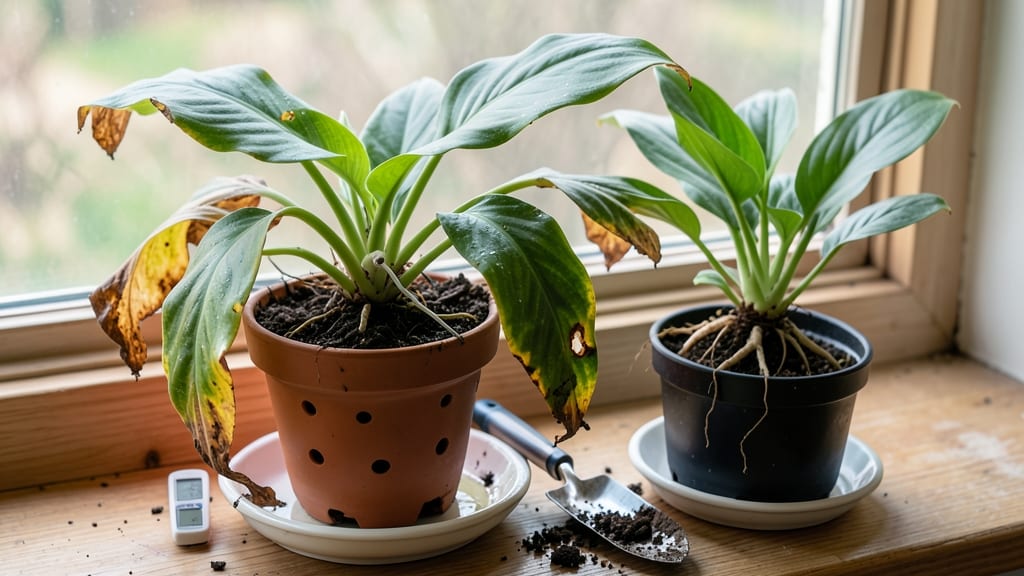
Your soil too wet is suffocating roots and inviting root rot—fix it in minutes before your plants drown. 🌱 I’ve saved dozens of struggling plants with these simple adjustments, and you can too. The problem isn’t just overwatering—it’s often poor drainage, compacted soil, or plants that hate soggy feet.
Start by testing your soil’s drainage: dig a hole, fill it with water, and time how long it takes to drain. If it’s still wet after 6 hours, your soil needs help.
Amending with coarse sand or perlite (1 part to 3 parts soil) loosens compacted earth, while organic matter like compost improves structure over time. For containers, ensure pots have drainage holes—no exceptions.
You’ll see roots recover within 2-3 weeks as they get the airflow they crave. For moisture-sensitive plants like tomatoes or peppers, raise beds slightly or use gravel-filled drainage layers. The key is balance: soil that holds just enough moisture without turning into a swamp.
Prevent future soggy soil by improving drainage long-term. Mulch with wood chips to regulate moisture, and avoid walking on garden beds to prevent compaction. With these tweaks, your plants will thrive even after heavy rains—no more wilting or rot.
Understanding Excess Moisture Roots
When your garden or potted plants start looking soggy and unhealthy, the culprit is often excess moisture in the soil. But why does this happen in the first place? Let’s break down the key reasons—so you can tackle the problem at its source.
🌧️ Heavy Rainfall or Poor Drainage
Nature’s water cycle can quickly overwhelm your soil, especially if your plants are in containers with drainage issues or planted in areas where water pools. Here’s how it works:
- Clay-heavy soil acts like a sponge, absorbing water slowly and holding it for days. Without organic matter (like compost), it repels excess moisture instead of letting it seep away.
- Compacted soil (from foot traffic, machinery, or poor aeration) creates a dense barrier, preventing water from draining naturally. Think of it like a clogged sink—water sits where it shouldn’t.
- Flat or sloped landscapes can funnel rainwater toward plant roots, turning soil into a swampy mess. Even a slight dip in your yard can become a moisture trap.
Pro tip: 💡 Test your soil’s drainage by filling a container with soil and water, then timing how long it takes to drain. If it’s slower than 30 minutes, you’ve got a problem.
💧 Overwatering or Irrigation Mistakes
Not all moisture comes from the sky—sometimes, human error is the real villain. Common offenders include:
- Automatic sprinklers running on a timer without accounting for recent rain or humidity levels. A quick check of your local weather forecast can save your soil.
- Drip irrigation systems with clogged emitters or misaligned hoses, causing water to pool around roots instead of distributing evenly.
- Potted plants with saucers that never get emptied, turning the container into a waterlogged prison for roots.
- Mulch piled too high (over 3 inches) can suffocate soil and trap moisture, especially in humid climates.
Pro tip: ✨ Stick your finger 1–2 inches into the soil before watering. If it’s damp, wait. If it’s dry, give it a drink—but not a bath!
🌱 Root Systems Struggling to Breathe
Plants need oxygen as much as water, and soggy soil starves their roots. Here’s how excess moisture chokes them:
- Anaerobic conditions (lack of oxygen) force roots to ferment, producing toxic byproducts like ethanol and acetic acid—basically, they start “rotten” from the inside out.
- Fungal and bacterial growth thrives in wet soil, leading to diseases like Phytophthora (a water mold) or Pythium, which attack roots like termites.
- Weakened root structure from prolonged saturation makes plants more susceptible to wind throw (yes, they can literally fall over!).
Pro tip: 🌡️ If your plant’s leaves turn yellow or black and feel mushy, it’s a red flag—act fast to improve drainage before roots suffocate.
🏡 Poor Container or Garden Design
Even the best plants can drown if their home isn’t built for drainage. Watch out for:
- Containers without drainage holes—water has nowhere to go, turning the pot into a swamp. This is a death sentence for most plants.
- Heavy, non-porous materials like solid concrete or thick plastic that don’t allow air or water to escape.
- Grouping plants too closely in beds or pots, creating a “micro-climate” where humidity lingers and air circulation stalls.
- Lack of raised beds or berms in garden layouts, causing water to pool instead of flowing away.
Pro tip: 🔥 For potted plants, elevate them on feet or use cache pots (decorative outer pots with drainage) to prevent waterlogging.
Quick Fixes for Soggy Soil
When your soil is too wet, your plants are drowning—literally. The good news? You can turn things around with the right steps. Below, we’ve matched common causes of overly saturated soil to practical, fast-acting solutions, plus tips to keep your garden happy long-term.
---
Fix: Drainage First, Then Adjust Waterlogged soil after rain is a classic problem, but it’s fixable. Start by improving drainage to prevent future soggy conditions.
1. 🔥 Dig Deeper with Sand or Gravel - Mix coarse sand or small gravel into the top 6–12 inches of soil to create air pockets. This helps water drain faster. - Pro Tip: Use construction sand (not fine beach sand) for better results.
2. 🍳 Build Raised Beds or Mounds - For container plants or garden beds, elevate them slightly (2–4 inches) to encourage runoff. - Add a layer of broken pottery or landscape fabric at the bottom of pots to prevent clogging.
3. 👨🍳 Install French Drains (For Large Areas) - Dig a shallow trench (12–18 inches deep) near problem areas, fill it with gravel, then place a perforated pipe to redirect excess water.
4. ⏰ Wait Before Watering Again - After rain, skip watering for 2–3 days—let the soil dry out naturally before adding more moisture.
Prevention: - 💡 Plant in well-draining spots (avoid low-lying areas). - ✨ Use mulch (wood chips or straw) to regulate moisture and protect roots.
---
Fix: Adjust Your Watering Habits Too much love (in the form of water) can suffocate roots. Here’s how to dial it back.
1. 🔪 Check Soil Moisture Before Watering - Stick your finger 1–2 inches into the soil. If it’s damp, wait. If it’s dry, water deeply but less frequently. - Pro Tip: Use a moisture meter for accuracy—no guesswork!
2. 🥘 Water Deeply, Less Often - Short, frequent watering keeps the top layer wet while the roots stay dry. Instead, water deeply (6–8 inches down) 2–3 times a week. - For containers, ensure pots have drainage holes—no exceptions!
3. 🌡️ Adjust for Plant Type - Succulents & herbs? Water every 10–14 days. - Vegetables & flowers? Aim for 1–2 inches of water per week (including rain).
Prevention: - 🎯 Set a schedule (e.g., "Wednesdays & Sundays at 7 AM"). - 🔥 Use drip irrigation for precise, slow watering.
---
Fix: Amend the Soil for Better Drainage Clay-heavy or compacted soil holds water like a sponge. Break it up!
1. 🔥 Add Organic Matter - Mix in compost, peat moss, or coconut coir to loosen the soil and improve aeration. - Pro Tip: Worm castings boost drainage and nutrient uptake.
2. 🍳 Try Gypsum for Clay Soil - Gypsum (calcium sulfate) helps break up clay without altering pH. Sprinkle 1–2 lbs per 100 sq ft and work into the top 6 inches.
3. 👨🍳 Aerate Compacted Soil - Use a garden fork or aerator to poke holes 6–8 inches deep to let air and water move freely.
Prevention: - ✨ Test your soil (DIY kits are cheap!) to know what amendments to add. - 💡 Rotate crops to prevent soil compaction over time.
---
Fix: Save Your Plants with Emergency Care If you’ve spotted black, mushy roots or wilting despite dry soil, root rot may have taken hold. Act fast!
1. 🔥 Trim the Damage - Sterilize pruners with rubbing alcohol, then cut away all soft, discolored roots. - Pro Tip: Healthy roots are firm and white—discard the rest.
2. 🍳 Repot in Fresh, Dry Soil - Use a well-draining potting mix (add perlite or vermiculite). - Skip watering for 3–5 days to let roots recover.
3. 👨🍳 Fungicide Treatment (If Needed) - Spray roots with a hydrogen peroxide solution (3%) or copper fungicide before repotting.
4. ⏰ Monitor Closely - Keep the plant in bright, indirect light and avoid watering for a week.
Prevention: - 🎯 Choose disease-resistant plants (e.g., marigolds, basil). - 🔥 Sterilize tools after each use to prevent spread.
--- Final Reminder: The key to fixing soggy soil is drainage + patience. Start with one solution, observe changes, and adjust as needed. Your plants will thank you! 🌿💧
Frequently asked questions
How can I tell if my soil is too wet?
Check for these signs: yellowing leaves, mushy stems, or soil that stays damp even 24 hours after watering. Stick your finger 2 inches deep—if it feels soggy, your soil needs help. Root rot often appears as black, mushy roots when you gently dig around the base.
What’s the fastest way to dry out wet soil?
For containers, remove the plant and let the soil air-dry in sunlight for 1-2 days. For garden beds, use a garden fork to loosen compacted soil and spread mulch to absorb excess moisture. Avoid watering until the top 3 inches feel dry to the touch.
Can I still save plants with root rot?
Yes, but act quickly! Trim away all mushy roots with sterilized scissors, then repot in fresh, well-draining mix (add perlite or sand). Skip watering for 5-7 days to let roots recover. For severe cases, soak roots in a 1:10 hydrogen peroxide solution before repotting.
Will adding sand really help my clay soil?
Yes, but use coarse sand or gravel (not fine beach sand). Mix 1 part sand to 3 parts soil to improve drainage without compacting further. For heavy clay, also add compost or peat moss to create air pockets. Test drainage by filling a container with your amended soil and timing how quickly water drains.
How often should I water if my soil drains too fast?
Water deeply 2-3 times per week instead of daily shallow watering. Let the top 3-4 inches dry out between waterings. For sandy soil, use moisture-retentive amendments like coconut coir or compost to help hold water longer while preventing compaction.