
How To
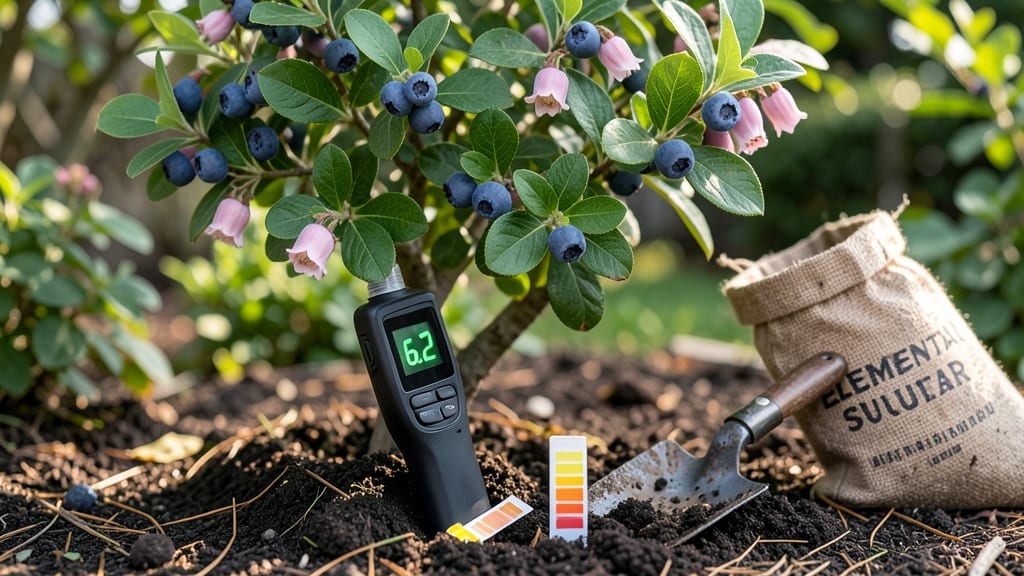
For blueberries to grow best, you'll need soil with an acidic pH between 4.5 and 5.5, just like their native wetland environments. Regularly check your soil's acidity each year using a quality test kit or professional lab service, and make adjustments with elemental sulfur or peat moss as needed to maintain the right balance. Keeping the soil properly acidic helps the roots absorb nutrients efficiently and produces healthier, more flavorful berries.
Blueberries are famously picky about their growing conditions, and soil acidity is one of the most critical factors. 🌱 The right pH level unlocks essential nutrients like iron and manganese that your plants need to thrive, while also preventing toxic aluminum buildup that can stunt root growth.
I've found that even a slight pH shift above 6.0 can lead to yellowing leaves and poor fruit development. Many gardeners swear by adding pine needles or oak leaves to their soil beds—they naturally lower pH over time while also improving moisture retention.
When adjusting your soil's acidity, timing matters just as much as the method. 💫 For example, elemental sulfur takes about 2-3 months to fully acidify the soil, so plan your amendments in early spring rather than waiting until planting season.
Meanwhile, peat moss works faster but requires regular reapplication. I always recommend testing your soil again 3 months after making changes to ensure you've hit that sweet spot between 4.5 and 5.5.
💡 In This Article
- Why Blueberries Need Acidic Soil Chemistry
- Step-by-Step Soil pH Testing and Adjustment Guide
Why blueberries need acidic soil chemistry
Blueberries evolved in acidic bogs where the soil pH naturally stays between 4.5 and 5.5, creating the perfect environment for their root systems. This acidity controls aluminum solubility—a critical factor because blueberry roots need small amounts of aluminum to grow properly.
When soil becomes too alkaline (above pH 6.0), aluminum binds tightly to soil particles, becoming unavailable to roots. This deficiency causes stunted growth and chlorotic (yellowing) leaves, even when other nutrients appear sufficient. 🔥
The real magic happens with micronutrients like iron and manganese, which become more bioavailable in acidic conditions. At pH 5.5, blueberry roots can absorb these nutrients efficiently, while at pH 6.5, their availability drops by 80-90%.
For example, iron deficiency (common in alkaline soils) manifests as yellow leaves with green veins—a classic sign your blueberries are struggling. The same goes for manganese, essential for photosynthesis and disease resistance. Even if your soil tests "fertile," without proper acidity, these nutrients remain locked away in the soil matrix.
Nature provides clues about how to maintain this acidity. In their native habitats, blueberries grow among pine trees, where fallen needles slowly acidify the soil over time. These needles release organic acids that gradually lower pH while also improving soil structure.
You can mimic this by adding 1-2 inches of pine needles or oak leaves to your planting bed each fall—they'll break down and contribute 0.5-1.0 pH points over a growing season. This organic approach also boosts moisture retention, which blueberries love since they're native to wetland areas.
Another key factor is how acidity affects soil microbes. Blueberries thrive with a specific microbial community that flourishes in acidic conditions, helping break down organic matter and make nutrients accessible. When you raise the pH too much, these beneficial microbes decline, while harmful pathogens may increase.
This microbial balance is why even "fertile" alkaline soil can fail to produce healthy blueberries—it's not just about nutrients, but the entire ecosystem your plants depend on. 🌱
What most gardeners overlook is how temperature interacts with soil acidity. In warmer climates, soil naturally becomes more alkaline due to increased microbial activity that consumes organic acids. This is why blueberries often struggle in southern gardens unless you take extra steps to maintain acidity.
The solution? Combine organic amendments like pine fines with inorganic sulfur for a balanced approach that works in any climate. Just remember: sulfur works best when worked into the top 6-12 inches of soil where roots actively grow.
Here's a quick comparison of what happens at different pH levels:
- pH 4.0-4.5: Too acidic—can damage roots and reduce calcium availability
- pH 4.5-5.5: Ideal range—optimal nutrient uptake and root growth
- pH 5.6-6.0: Marginal—nutrient deficiencies start appearing
- pH 6.1+: Poor growth—aluminum becomes toxic, iron/manganese unavailable
The bottom line? Blueberries don't just prefer acidic soil—they require it to unlock their full genetic potential. Without proper acidity, you're essentially starving your plants of the very nutrients they need to produce those sweet, vibrant berries we all love. 💫