
How To
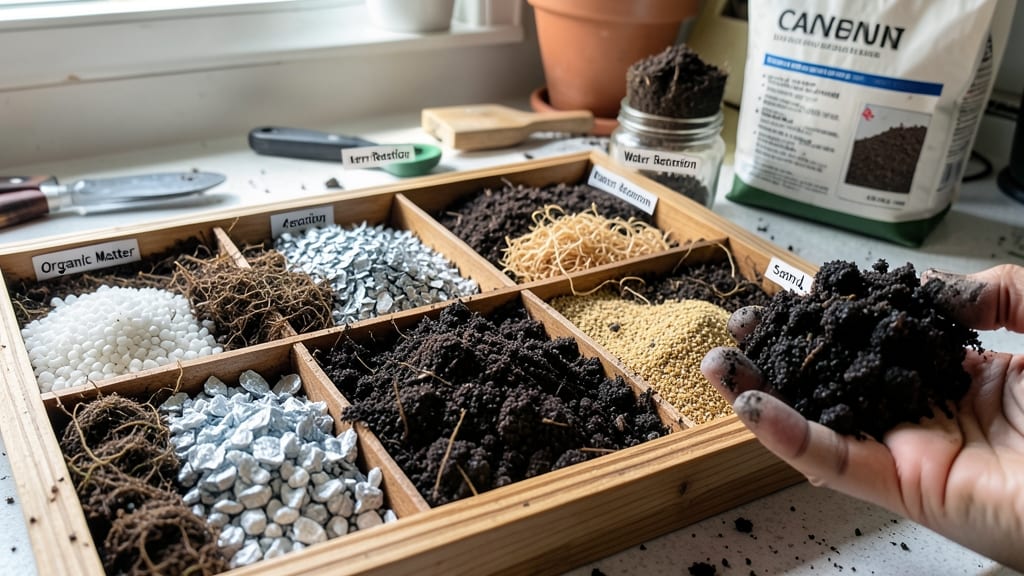
Potting soil is made of a balanced mix of organic matter like peat moss or coconut coir, inorganic additives such as perlite or vermiculite, and nutrients like compost or slow-release fertilizers to support plant growth without compacting roots.
Potting soil isn't just dirt—it's a carefully engineered blend designed to mimic natural soil while addressing the unique challenges of container gardening. 🌱 The organic components like peat moss or coconut coir provide moisture retention and nutrients, while inorganic additives such as perlite or vermiculite create air pockets to prevent root suffocation.
Many commercial mixes also include mycorrhizal fungi to boost root health, which you won't find in regular garden soil. For houseplants, I always look for a mix labeled "well-draining" to prevent overwatering, while vegetable gardens benefit from heavier blends with added compost for nutrient density.
What sets potting soil apart is its ability to be customized.
You can adjust the ratios based on your plants' needs—succulents thrive in gritty mixes with extra perlite, while ferns prefer moisture-retentive blends with more peat. 💫 The key is finding that sweet spot between drainage and water retention that keeps roots happy without compacting over time.
For DIY mixes, I recommend starting with 60% organic matter and 40% inorganic additives, then tweaking based on your plants' specific requirements.
💡 In This Article
- Core Components of Potting Soil and Their Functions
- Choosing the Right Potting Soil Mix for Your Plants
Core components of potting soil and their functions
The foundation of potting soil lies in its organic components, which provide essential nutrients and structure. Peat moss, the classic choice, holds 4-6 times its weight in water while breaking down slowly to feed plants over months.
Coconut coir, a sustainable alternative, offers a similar sponge-like texture but with slightly better aeration—its fibrous strands create tiny air pockets that roots love, reducing the risk of rot compared to dense peat.
Composted materials like bark fines or worm castings add microbial activity, breaking down to release nutrients gradually, while fresh compost can overheat and burn roots if used improperly.
Inorganic additives are the unsung heroes of potting soil, preventing compaction and improving drainage. Perlite, those tiny white pebbles, expands when heated to create 50-100% more volume, adding air pockets that prevent suffocation.
Vermiculite, with its layered structure, holds water near roots while still allowing oxygen flow—think of it as a moisture reservoir with built-in ventilation. Sand (coarse, not fine beach sand) further enhances drainage, while charcoal acts as a natural filter, absorbing toxins and preventing foul odors in container gardens.
Together, these create a 40-60% air-to-water ratio, ideal for root respiration.
Nutrients in potting soil come from two sources: organic matter breaking down and synthetic additives. Slow-release fertilizers, like coated urea or osmacote granules, provide nitrogen, phosphorus, and potassium over 3-6 months, while mycorrhizal fungi form symbiotic relationships with roots, increasing nutrient uptake by up to 80%.
The pH balance matters too—most potting mixes sit around 5.5-6.5, but acid-loving plants like azaleas need 4.5-5.5, while succulents prefer 6.0-7.0. This chemical balance ensures roots can absorb nutrients efficiently without toxicity.
What most gardeners overlook is how these components interact physically. Organic matter shrinks as it decomposes, creating gaps that need to be maintained with inorganic additives. Without perlite or vermiculite, a mix can compact within 6-12 months, turning from fluffy to dense.
I've seen houseplant owners repot too late, only to find roots circling the pot edge—a classic sign of compacted soil. The solution? Refresh your mix every 1-2 years with a top-dressing of compost and perlite to restore structure and fertility.
For visual learners, imagine potting soil as a three-layer cake: the bottom layer is inorganic (drainage), the middle is organic (nutrients), and the top is living microbes (fertilizers). This stratification mimics natural forest floors, where fallen leaves decompose on top while roots explore airy soil below.
The magic happens at the root-soil interface, where oxygen, water, and nutrients meet—this is why aeration is non-negotiable in container growing. Without it, roots suffocate, even if the soil looks moist.
One common misconception is that more organic matter equals better soil. Too much peat or compost can create a waterlogged, anaerobic environment where roots drown. The secret lies in the 2:1 organic-to-inorganic ratio—this balance gives plants both sustenance and breathability.
For example, a 60% peat/40% perlite mix works for ferns, while 40% coconut coir/30% perlite/30% compost suits tomatoes. The right mix isn't just about ingredients; it's about their proportions working in harmony.