
Lawn
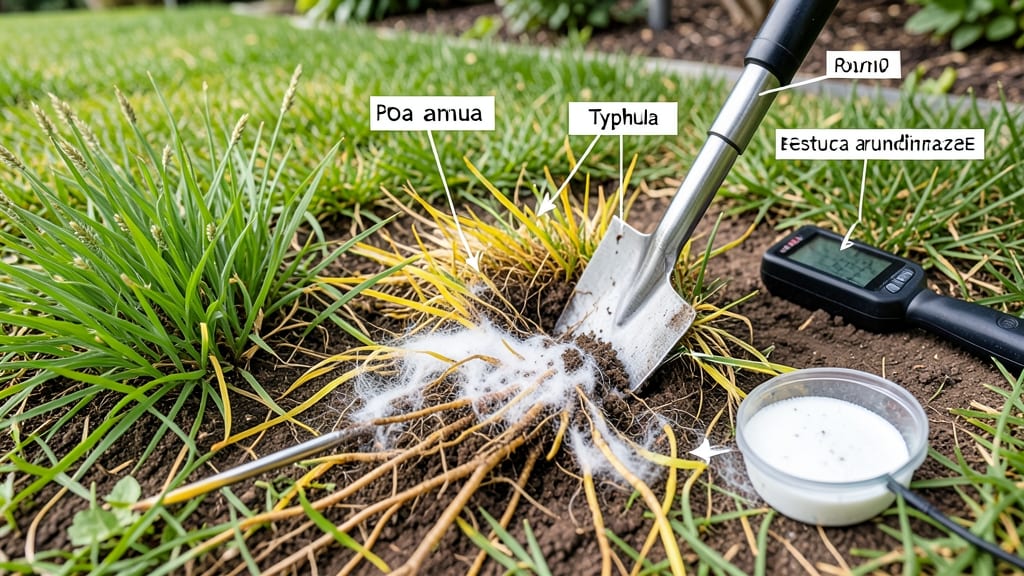
That spongy white fungus creeping under your lawn isn’t just unsightly—it’s a sign your soil needs better drainage and airflow. 🌱 I’ve seen this problem turn lush lawns into soggy, mushroom-infested patches, and the fix starts with understanding why it’s there in the first place.
Most homeowners assume it’s just mold, but it’s often a symptom of compacted soil or overwatering.
Poor drainage is the usual culprit, especially after heavy rains or if your lawn sits in low spots. Organic debris like fallen leaves or thatch also feeds fungal growth, creating the perfect damp, shaded environment.
The good news? You don’t need harsh chemicals—just a few targeted fixes like aeration, raking, and adjusting your watering routine to dry things out.
Start by raking out the mushrooms and loosening the soil with a core aerator. For stubborn patches, a mix of baking soda and water (1 tablespoon per gallon) sprayed directly on the soil can help break down the fungus naturally.
Within a few weeks, you’ll see healthier grass roots pushing through, and those white mushrooms will disappear for good.
Prevention is all about keeping soil balanced—test your drainage, avoid overwatering, and consider adding compost to improve airflow. If the problem keeps coming back, it might be time to call in a soil specialist to check for deeper issues like clay buildup or poor yard grading.
A little effort now saves you from a fungus comeback next season.
Understanding The Hidden Triggers
That mysterious white fungus creeping under your lawn isn’t just a random nuisance—it’s a symptom of deeper soil imbalances. Whether it’s mushroom-like growths or fuzzy white mats, these signs point to specific conditions in your yard.
Below, we break down the root causes (literally!) and why your soil might be throwing a fungal party.
Fungi thrive in damp, oxygen-starved environments—think of them as water-loving squatters in your soil. If your lawn stays soggy after rain or irrigation, you’re creating the perfect breeding ground. Here’s why:
- Compacted soil prevents water from draining, trapping moisture near the surface where fungal spores germinate.
- Overwatering (especially at night) keeps the soil consistently wet, giving fungi a 24/7 buffet.
- Clay-heavy soil holds water like a sponge, suffocating roots and inviting fungal growth.
💡 Pro Tip: Test your soil’s drainage by digging a 6-inch hole and filling it with water. If it drains in less than 6 hours, your soil is too compacted. If it takes longer than 24 hours, you’ve got a moisture trap.
Leaves, grass clippings, and even old mulch aren’t just yard waste—they’re fungal fast food. When organic matter piles up, it decomposes slowly, creating a warm, humid microclimate where white fungi feast. Here’s the breakdown:
- Thatch buildup (a dense layer of dead grass) blocks airflow and traps moisture, turning your lawn into a fungal greenhouse.
- Untreated wood chips or mulch (especially untreated sawdust) can introduce fungal spores directly into the soil.
- Buried plant debris (like roots or old plants) becomes a food source for decomposers—including fungi.
⚠️ Warning: If you’ve recently added fresh mulch or compost, that could be the trigger. Some organic materials (like hardwood mulch) break down slowly and may not be the issue—but pine needles or cedar chips can actually inhibit fungal growth, so location matters!
Fungi aren’t picky—they just need the right weather conditions. White fungal growth often spikes when:
- Temperatures hover between 60–80°F (15–27°C), the perfect fungal Goldilocks zone.
- Humidity stays above 70%, creating a sauna effect in the soil.
- Seasonal shifts (like spring or fall) bring ideal moisture + warmth combinations.
🌡️ Science Note: Fungal spores dormant in dry or freezing conditions but explode in activity when soil warms and stays damp. That’s why you might see outbreaks after a rainy spring or a humid summer.
Fungi prefer slightly acidic to neutral soil (pH 5.0–7.0). If your lawn’s pH is off-kilter—whether too acidic (<5.0) or alkaline (>7.5)—it can stress plants and leave them vulnerable to fungal takeovers. Here’s how pH plays a role:
| pH Level | Fungal Risk | Why? |
|---|---|---|
| <5.0 (Very Acidic) | ⚠️ High | Acidic soil weakens plant defenses and may release aluminum toxins, making roots more susceptible to fungal invasion. |
| 5.0–7.0 (Ideal) | ✅ Moderate | Balanced pH keeps beneficial microbes (like bacteria) in check, preventing fungal overgrowth. |
| >7.5 (Alkaline) | ⚠️ High | Alkaline soil reduces nutrient availability, stressing grass and making it easier for fungi to colonize. |
🔍 Test It: Grab a soil pH test kit (or use a DIY vinegar/baking soda trick) to check your lawn’s pH. If it’s outside 6.0–7.0, amendments like sulfur (for high pH) or lime (for low pH) can help.
A healthy lawn is your first line of defense against fungi. When grass lacks key nutrients, it can’t fight off invaders. Common deficiencies that invite white fungi:
- Low nitrogen (N) → Weak, thin grass = easy fungal entry.
- Phosphorus (P) deficiency → Slows root growth, making roots more vulnerable to fungal root infections.
- Potassium (K) shortage → Reduces the grass’s ability to resist disease.
💪 Fix It: A balanced fertilizer (10-10-10 or 16-4-8) can restore grass health, but over-fertilizing (especially with high nitrogen) can also feed fungi. Aim for slow-release, organic options like compost or bone meal.
Quick fixes for spongy soil fungus
White fungal growth under your lawn isn’t just unsightly—it can weaken grass roots, attract pests, and create spongy, uneven patches. The good news? Most cases respond well to targeted fixes once you identify the root cause.
Below, we’ve mapped practical solutions to common triggers, from moisture control to soil adjustments, plus prevention tips to keep your lawn healthy long-term.
If your lawn feels soggy or mushrooms pop up after heavy rain, excess moisture is likely the culprit. White fungus thrives in damp, anaerobic (low-oxygen) soil.
How to Fix It:
- 🍳 Reduce Watering Immediately Let the top 2–3 inches of soil dry out between waterings. Use a screwdriver to test moisture—if it slides in easily, you’re overwatering. Aim for deep, infrequent watering (1–1.5 inches per week, including rain) to encourage roots to grow deeper.
- 👨🍳 Improve Soil Aeration Compacted soil traps moisture and blocks oxygen. Rent a core aerator (or hire a pro) to pull small soil plugs, then top-dress with sand or compost to improve drainage. Do this in spring or fall for best results.
- ⏰ Rethink Your Irrigation Adjust sprinklers to avoid puddling, and water early in the morning to allow foliage to dry. If your lawn has low spots, consider French drains or grading to redirect water.
💡 Pro Tip: If mushrooms keep returning, install a soil moisture sensor ($20–$50) to monitor levels and adjust habits.
Leaves, grass clippings, and thatch create a cozy, humid environment for fungal spores to flourish. A thick layer (over ½ inch) smothers grass and traps moisture.
How to Fix It:
- 🔪 Dethatch Your Lawn Use a manual rake (for small areas) or a power dethatcher (for larger lawns) to remove excess thatch. Focus on spring or early fall when grass is actively growing.
- 🍎 Remove Debris Regularly Rake up fallen leaves and clippings weekly during peak growing seasons. A mulching mower (set to high) can help break down clippings into nitrogen-rich fertilizer instead of fueling fungus.
- ✨ Adjust Mowing Height Keep grass 3–4 inches tall in warm seasons (or 2.5–3.5 inches in cool seasons). Taller grass shades soil, reducing moisture loss, but avoid letting it get too long, which traps debris.
White fungus often appears when soil lacks nitrogen or has too much phosphorus/potassium. A simple soil test ($15–$30) can reveal deficiencies.
How to Fix It:
- 💪 Test Your Soil First Send a sample to your local Cooperative Extension Service (many offer free/low-cost testing). Look for pH (ideal: 6.0–7.0 for lawns) and nutrient levels.
- 🥗 Apply the Right Fertilizer If nitrogen is low, use a balanced fertilizer (e.g., 24-0-4 or 30-0-4) in early spring or fall. Avoid high-phosphorus fertilizers (like 10-10-10) unless your test shows a deficiency—too much phosphorus can promote fungal growth.
- 🌱 Boost Beneficial Microbes Sprinkle compost or mycorrhizal fungi (available at garden centers) to outcompete harmful pathogens. These microbes improve soil structure and suppress disease.
If mushrooms keep reappearing despite adjustments, a fungicide may be needed—but use it as a last resort.
How to Fix It:
- 🍄 Choose the Right Fungicide Look for systemic fungicides with active ingredients like:
- Propiconazole (for fairy ring fungus)
- Trichoderma harzianum (a biological control)
- Potassium bicarbonate (organic option, safe for pets/kids after drying)
Apply early in the morning on a dry, wind-free day. Follow label rates—overapplying doesn’t work better.
- 🔄 Reapply as Needed Some fungicides require 2–3 applications, spaced 2–4 weeks apart. Reapply after heavy rain (it washes off).
- ⚠️ Safety First Wear gloves and avoid watering for 24–48 hours after application. If using chemical fungicides, keep pets/kids off the lawn until it’s dry.
Once you’ve tackled the fungus, keep it from coming back with these habits:
| Prevention Step | How to Do It |
|---|---|
| 🌱 Aerate Annually | Rent a core aerator in spring or fall to prevent compaction. |
| 💦 Water Wisely | Use a smart sprinkler controller to avoid overwatering. |
| 🍂 Clean Up Debris | Rake leaves/clippings weekly in fall/spring. |
| 🔄 Test Soil Every 2 Years | Check pH and nutrients to adjust fertilizer needs. |
| 🌿 Overseed Bare Spots | Fill thin areas with disease-resistant grass seed in early fall. |
| 🚫 Avoid Heavy Foot Traffic | Walk on paths or use a lawn board to prevent compacting soil. |
Final Note: Patience is key—some fixes (like aeration or soil amendments) take 4–6 weeks to show results. Monitor your lawn’s progress and adjust as needed. With the right approach, your soil will stay healthy, and those spongy white mushrooms will become a thing of the past!
Frequently asked questions
Is white fungus under my lawn always harmful?
Most white fungal growth is harmless to your lawn, but it’s a sign of poor soil conditions. While mushrooms and mats won’t directly kill grass, they indicate excess moisture or compacted soil, which can weaken roots over time. The real issue is what’s causing the fungus—not the fungus itself.
Can I just pull up the mushrooms and forget about it?
No, simply removing mushrooms won’t solve the problem. They’re just the visible symptom. You’ll need to address the root causes—like improving drainage, reducing thatch buildup, or adjusting watering habits—to prevent new growth. Think of it like treating a symptom vs. the actual illness.
Will vinegar or bleach kill white fungus in my lawn?
Bleach is too harsh and can damage grass, while vinegar (undiluted) may kill the fungus but also harm your lawn. Instead, use a 1:10 ratio of vinegar to water (spray lightly) or try a baking soda solution (1 tbsp per gallon)—both are safer alternatives that disrupt fungal growth without burning your grass.
How long does it take to see improvement after treating fungal growth?
With proper fixes like aeration or reduced watering, you may see noticeable changes in 2–4 weeks. However, deeper issues (like compacted soil) can take 4–6 weeks to fully resolve. Patience is key—monitor your lawn’s progress and adjust treatments as needed for best results.
Should I call a professional if the fungus keeps coming back?
If you’ve tried all the fixes and the white fungus persists, it’s time to consult a lawn care specialist. They can assess deeper issues like clay soil compaction, drainage problems, or pH imbalances that may require professional equipment or soil amendments to fully resolve.