
Pests
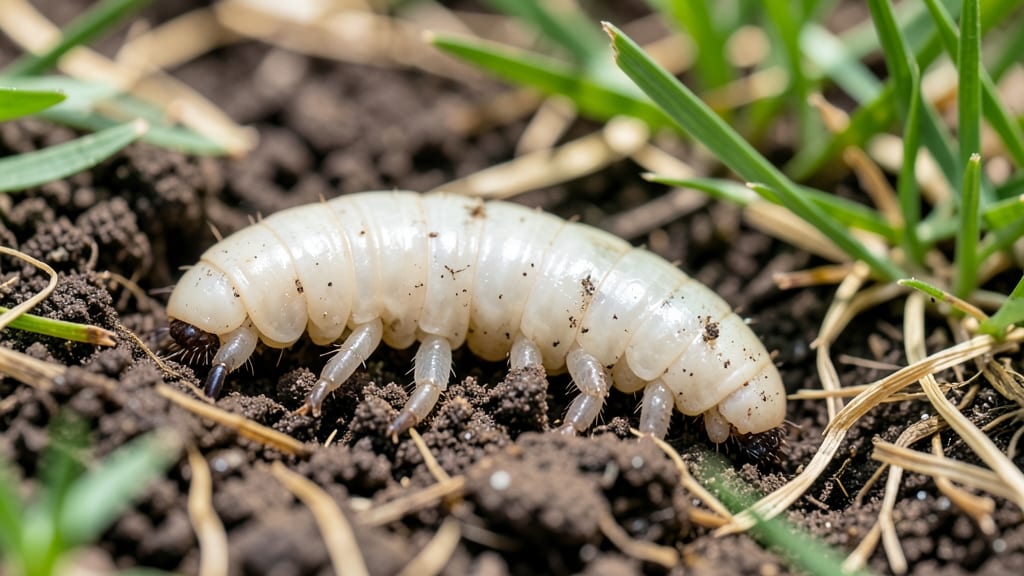
White grubs in soil can be good or bad—but when they multiply, they become lawn destroyers, chewing through roots and turning healthy turf into brown patches. 🌱 I’ve seen firsthand how these plump, C-shaped larvae can devastate gardens overnight, especially when they’re Japanese beetle or June bug offspring.
The damage starts subtly with wilting grass or plants that pull up easily, revealing a nest of grubs beneath. Heavy infestations can kill entire sections of lawn or garden beds if left unchecked. The good news? They’re not always bad—just in the wrong place or numbers.
You can fight back with natural nematodes (like Heterorhabditis bacteriophora), milky spore bacteria, or even encouraging birds and toads that love to snack on them. For severe cases, targeted insecticides work—but prevention (like proper watering and healthy soil) is the real game-changer.
Here’s how to spot them early and stop the cycle before your garden becomes a grub buffet.
The Real Culprits Behind Grubs
White grubs—those C-shaped, creamy larvae of beetles—don’t just appear in your soil by chance. Their presence is the result of a mix of environmental, ecological, and even human-influenced factors. Understanding these causes can help you decide whether they’re a nuisance or a natural part of your lawn’s ecosystem.
Let’s break down why these critters show up in the first place.
White grubs thrive in lawns that are overwatered or over-fertilized, especially with high levels of nitrogen. Here’s why:
- Moisture Love: Grubs prefer soil that stays damp but isn’t waterlogged. Overwatering creates the perfect breeding ground, as it keeps the topsoil soft and easy for eggs to hatch and larvae to feed.
- Nitrogen Feast: Excess nitrogen in fertilizers (like quick-release lawn foods) makes grass grow rapidly, but it also attracts beetles. Female beetles are drawn to lush, nitrogen-rich grass to lay their eggs, knowing their offspring will have plenty to eat.
- Weak Grass Roots: Over-fertilization can weaken grass roots, making them more vulnerable to grub feeding. The grubs then have an easier time tunneling through the soil and damaging the lawn.
Pro Tip: 💡 If your lawn is prone to grubs, consider slow-release fertilizers and water deeply but less frequently to avoid creating a grub paradise.
The lifecycle of white grubs starts with adult beetles, and their behavior is a major reason you’re dealing with an infestation. Here’s how it works:
- Adult Beetles Arrive: Most white grubs come from beetles like Japanese beetles, June bugs, or European chafer beetles. These beetles emerge in late spring to early summer, attracted to flowering plants or light sources (like porch lights).
- Egg-Laying Spree: Female beetles lay eggs in the top 1–2 inches of soil, often in clusters. A single female can lay 40–60 eggs in her lifetime! Warm, moist soil speeds up hatching, which typically happens in 10–14 days.
- Timing Matters: Peak egg-laying occurs in June and July, which means grubs will be most active (and damaging) in late summer to early fall.
Pro Tip: 🌙 If you notice beetles swarming your yard at dusk, take action early—apply grub control in late spring or early summer before eggs hatch.
Grubs are cold-blooded, meaning their activity levels depend heavily on temperature and moisture. Here’s how these factors play a role:
- Ideal Temperature Range: Grubs do best in soil temperatures between 70–85°F (21–29°C). Cooler springs and warmer summers create perfect conditions for their lifecycle.
- Moisture Retention: Well-drained but consistently moist soil is a grub’s dream. Sandy soils dry out too quickly, while clay soils can hold too much water—but loamy, well-aerated soil is their favorite.
- Seasonal Peaks: In most regions, grubs are most active in late summer and early fall when soil is warm and moisture levels are high after summer rains.
Pro Tip: 🌡️ Monitor your soil’s moisture and temperature—if it’s consistently warm and damp, grubs are likely thriving.
Believe it or not, some common lawn care practices can accidentally create a grub-friendly environment:
- Excessive Irrigation: Watering your lawn every day (or even every other day) keeps the soil too moist for long periods, encouraging grub survival and reproduction.
- Thatch Buildup: A thick layer of thatch (dead grass and roots) insulates the soil, keeping it warmer and moister—ideal for grubs. It also provides a buffer, making it harder for birds or predators to access them.
- Lack of Diverse Planting: Monoculture lawns (like pure Kentucky bluegrass or fescue) are more attractive to beetles because they offer a uniform food source. Diverse ground covers or clover can disrupt their lifecycle.
- Ignoring Lawn Health: Stressed grass (from drought, disease, or poor soil) is easier for grubs to attack. Healthy grass can tolerate some feeding, but weak grass is a red flag for infestations.
Pro Tip: ✨ Audit your lawn care routine—reduce watering frequency, dethatch if needed, and consider overseeding with a mix of grass types to deter beetles.
Now that you know why white grubs end up in your soil, the next step is figuring out whether they’re helping or harming your lawn—and what to do about it. Stay tuned to learn how to manage (or even leverage) their presence!
How to Fix White Grub Damage
White grubs may be tiny, but their impact on your lawn can be massive—chewed roots, patchy grass, and even dead patches if left unchecked. The good news? With the right approach, you can eliminate grubs, repair damage, and prevent future infestations without resorting to harsh chemicals.
Below, we break down practical solutions tailored to the root cause of your grub problem, from quick fixes to long-term prevention.
Before treating, verify that grubs are the issue. Look for:
- Soggy, spongy lawn patches that pull up easily (roots are chewed).
- Moles or skunks digging (they’re snacking on grubs too!).
- Adult beetles (Japanese beetles, June bugs, or chafers) flying around in summer.
💡 Pro Tip: Dig up a small section of turf (6x6 inches) and flip it over. If you see C-shaped, white larvae (grubs), you’ve got your culprit. No grubs? Check for other pests like chinch bugs or fungal issues.
👨🍳 Option 1: Natural & Organic Controls (Best for Lawns with Kids/Pets)
If you prefer eco-friendly methods, try these: - Milky Spore (Bacillus popilliae): A natural bacteria that targets Japanese beetle grubs.
Apply in early spring or fall—it takes 1–2 years to fully colonize but provides long-term protection. Cost: ~$20–$40 per 1 lb. - How to use: Mix with water and spread evenly over the lawn.
Water lightly afterward. - Nematodes (Beneficial): Microscopic worms (Heterorhabditis bacteriophora) that paralyze and kill grubs. Best in cool, moist soil (spring/fall). - How to use: Apply with a sprayer or hose-end applicator in the evening (they avoid light).
Water in well. Cost: ~$20–$50 per 50 million nematodes. - Diatomaceous Earth (DE): A non-toxic powder that dehydrates grubs. Reapply after rain (it washes away). - How to use: Sprinkle lightly over the lawn (avoid overdoing—it can harm beneficial insects). Water in slightly. Best for: Small infestations.
🔪 Option 2: Chemical Treatments (Fast but Use Caution)
If grubs are severely damaging your lawn, synthetic pesticides can work quickly. Best time to apply: Late summer to early fall (when grubs are young and feeding). - Imidacloprid (Merit): A systemic insecticide that moves through plant roots.
Apply 6–8 weeks before grubs hatch (check local beetle activity). - How to use: Granules are watered into the soil. Avoid overwatering afterward. - Chlorantraniliprole (Scotts GrubEx): Targets Japanese beetle grubs specifically. Apply in early summer (before eggs hatch). - How to use: Spread granules evenly and water in.
⚠️ Safety Note: Always follow label instructions, and keep pets/kids off treated areas for 24–48 hours. Consider spot-treating heavily infested zones instead of the whole lawn.
Even after killing grubs, your lawn may need patchwork repairs:
- Rake up dead grass and loosen the soil with a garden fork.
- Add compost or topsoil (1–2 inches) to improve drainage and root growth.
- Sow new grass seed (choose a fast-growing mix like ryegrass or fescue).
- Water lightly daily until new grass sprouts (about 2–3 weeks).
🌱 Pro Tip: If large areas are dead, consider sodding (laying pre-grown grass) for quicker recovery.
The best defense is a strong, healthy lawn that grubs avoid. Try these long-term strategies:
| Prevention Method | How to Do It | Best Time |
|---|---|---|
| Encourage Natural Predators | Attract birds, toads, and beneficial nematodes by keeping a diverse lawn. | Year-round |
| Aerate & Overseed | Core aeration (spring/fall) improves soil health, making grass more resilient. | Early fall |
| Reduce Nitrogen Fertilizer | Too much nitrogen = soft, grub-friendly grass. Use a balanced fertilizer (e.g., 10-10-10). | Spring & fall |
| Mow High | Keep grass at 3–4 inches tall—taller grass shades soil, deterring beetles. | Summer |
| Monitor Adult Beetles | Set up traps (like Japanese beetle traps) in late spring/early summer to catch adults before they lay eggs. | June–July |
| Use Milky Spore Long-Term | Apply milky spore every 1–2 years to build up natural grub-killing bacteria in soil. | Spring or fall |
🎯 Pro Tip: Healthy soil = fewer grubs. Test your soil’s pH and nutrients (ideal: 6.0–7.0 pH). Amend with compost or organic matter if needed.
- Don’t overwater—grubs thrive in soggy soil. Water deeply but infrequently.
- Avoid broad-spectrum pesticides—they kill beneficial insects that eat grubs.
- Don’t ignore early signs—waiting until your lawn is 50% damaged makes recovery harder.
White grubs don’t have to mean game over for your lawn. With targeted treatments and smart prevention, you can restore your grass and keep it grub-free for years. Start with natural controls if possible, then repair damage and strengthen your lawn’s defenses.
Need a quick fix? Try nematodes or milky spore. Dealing with a severe infestation? Chemical treatments may be necessary—but prevention is the real win.
Your lawn’s recovery starts today—dig in! 🌱🔨
Frequently asked questions
Are white grubs ever beneficial for gardens?
In very small numbers, white grubs can serve as food for beneficial wildlife like birds, toads, and shrews—but they’re rarely helpful to plants themselves. Their feeding on grass roots causes more damage than any ecosystem benefit they provide. Think of them like termites: a tiny amount might be "natural," but an infestation is a disaster waiting to happen.
How do I tell if my lawn damage is from grubs or something else?
Look for these key signs: spongy patches that pull up easily (roots are chewed), skunks or moles digging (they eat grubs), or adult beetles flying around in summer. Dig up a small turf section—if you see C-shaped white larvae, that’s your culprit. Other pests (like chinch bugs) leave different damage patterns.
Can I use vinegar to kill white grubs?
Vinegar won’t effectively kill grubs—it’s too mild for their protective larvae stage. While it might kill some surface grubs, it won’t reach the deeper soil layers where most larvae hide. For real results, use nematodes, milky spore, or targeted insecticides instead.
What’s the best time of year to treat for grubs?
Apply treatments in late spring to early summer (before eggs hatch) or late summer to early fall (when young grubs are feeding). This timing ensures you catch them before they cause major damage. Natural solutions like nematodes work best in cool, moist soil (spring/fall).
Will my lawn recover after grub damage?
Yes, but it takes work! After treating, rake out dead grass, loosen soil, and reseeds with a fast-growing mix like ryegrass. For large dead patches, sodding gives quicker results. The key is healthy soil—amend with compost and avoid overwatering to prevent future infestations.