
Succulent
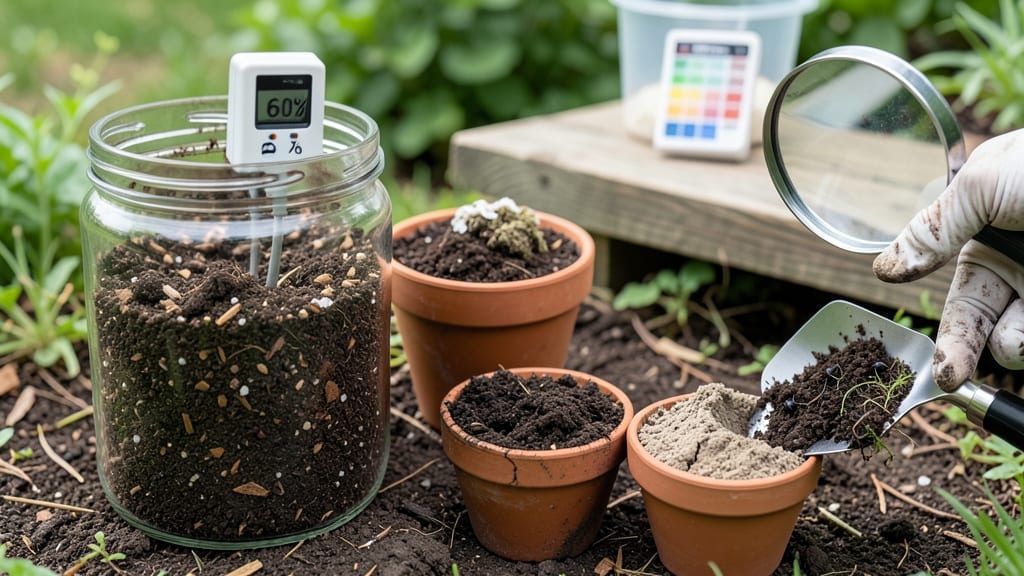
That musty smell when you open a bag of potting soil isn’t just "earthy"—it’s how to tell if potting soil is bad. 🌱 I've learned the hard way that ignoring these signs means stunted plants, wilting leaves, and wasted time.
The first clues are often hidden in plain sight: a sour odor, slimy texture, or soil that clumps like wet cement instead of crumbling easily. The real test comes when you squeeze a handful—good soil should feel light and airy, not dense or gummy.
If it smells like a damp basement or looks speckled with gray fuzz, that's mold growing. Even worse, compacted soil suffocates roots, cutting off oxygen and nutrients. My snake plants nearly died last spring because I reused old, packed-down soil from a forgotten pot.
Here's the good news: you can often revive slightly compromised soil by mixing in perlite, coconut coir, or fresh compost. For truly bad soil, replace it entirely—your plants will thank you with stronger growth and fewer pests. The key is checking before planting, not after the damage is done.
Prevention starts with proper storage (keep bags sealed and dry) and using soil within 6-12 months. When in doubt, test with a simple moisture check: good soil drains quickly, while bad soil stays soggy for hours. Trust your nose—it knows when something's off.
Root Causes of Soil Degradation
Potting soil doesn’t just "go bad" overnight—it’s the result of a mix of biological, chemical, and physical processes that degrade its quality over time. Understanding these causes helps you spot warning signs early and take corrective action. Here’s what’s really happening beneath the surface of your potted plants.
Healthy soil teems with beneficial microbes like Bacillus and Pseudomonas bacteria, which break down organic matter and recycle nutrients. But when conditions shift, these microbes can spiral out of control, leading to:
- Excess moisture: Waterlogged soil (especially in succulents) creates anaerobic zones where harmful microbes thrive. Fusarium and Pythium fungi, for example, release foul-smelling volatile organic compounds (VOCs) as they decompose organic matter—think musty, rotting odors.
- Poor aeration: Compacted soil traps moisture and limits oxygen, turning beneficial microbes into pathogens. Actinobacteria (like Streptomyces) can overpopulate, producing a damp, earthy, or even chemical-like stench.
- Old organic matter: Peat moss or compost breaks down into humic acids over time. If decomposition stalls (due to lack of oxygen or microbes), it releases hydrogen sulfide (H₂S), the gas responsible for that rotten egg smell.
💡 Pro Tip: If your soil smells like a swamp after watering, it’s a red flag. Succulents need fast-draining soil—amend with perlite or pumice to improve aeration and curb microbial chaos.
Soil chemistry isn’t just about nutrients—it’s about balance. When pH or salt levels swing too far, soil structure and microbial activity collapse, leading to:
| Cause | Effect on Soil | How It Shows Up |
|---|---|---|
| High salt buildup (from tap water, fertilizers, or aged soil) | Disrupts osmosis in plant roots, causing osmotic stress. Salts also bind to organic matter, locking up nitrogen and phosphorus. | Crusty surface, white residue (like salt crystals), and a metallic or sharp chemical odor when dry. |
| Extreme pH shifts (too acidic <6.0 or alkaline >8.0) | Alters microbial populations. Acid-loving fungi (like Phytophthora) dominate in low pH, while high pH encourages sodium buildup, harming root cells. | Soil may smell sour (vinegar-like) if acidic or ammonia-like if alkaline. Plants wilt despite moist soil. |
| Fertilizer burn (over-application of synthetic nutrients) | Excess nitrates (NO₃⁻) or phosphates (PO₄³⁻) create nutrient imbalances, promoting algae or slime mold growth. | Sticky, slimy texture with a fishy or fermented smell. Roots may appear blackened or mushy. |
⚠️ Warning: If your soil smells like bleach or vinegar, it’s a sign of severe chemical imbalance. Flush the soil with distilled water and test pH—succulents thrive in 6.0–7.0.
Succulents are drought-tolerant, but their soil isn’t. When temperature or moisture veers from ideal, physical and biological degradation accelerates:
- Freeze-thaw cycles: Water expands when frozen, shattering soil aggregates and crushing beneficial fungal networks (like mycorrhizae). Thawing releases methane (CH₄) from decomposing matter, creating a sour, gassy smell.
- Overwatering: Succulent soil should dry completely between waterings. Prolonged moisture triggers:
- Denitrification: Beneficial bacteria convert nitrates to nitrous oxide (N₂O), a gas that smells like burnt matches.
- Anaerobic digestion: Organic matter ferments, producing ethanol (like a weak beer smell) and acetic acid (vinegar-like).
- Drought stress: While rare for succulents, extreme dryness can kill microbes, halting decomposition. Soil may smell dusty or stale as organic matter preserves instead of breaking down.
🌡️ Key Insight: Store potting soil in a cool, dry place (50–70°F) to prevent microbial overgrowth. If repotting, air-dry old soil for 24 hours before amending—this kills pathogens without harming beneficial microbes.
Soil isn’t just a growing medium—it’s a hotel for pests. When critters move in, they leave behind physical and olfactory damage:
- Fungal gnats: Larvae feed on decaying organic matter, releasing ammonia (smells like urine) as they digest. Adults lay eggs in moist soil, accelerating the cycle.
- Slime molds (Physarum): These non-parasitic organisms thrive in damp, organic-rich soil, creating a glossy, slimy film with a mushroomy or earthy odor.
- Root-feeding insects (e.g., fungus gnats, root maggots): Their frass (insect waste) mixes with decomposing matter, producing a sweet, fermented smell.
- Mold spores (Aspergillus, Penicillium): While some molds are harmless, others release geosmin, a compound that smells like damp basement or wet dog.
🔥 Action Step: If you see tiny black specks (fungal gnat larvae) or webby strands (slime mold), treat with neem oil or hydrogen peroxide (3%) to disrupt their life cycles.
Even the best potting soil has a shelf life. Over 12–18 months, organic components break down, altering texture and chemistry:
- Peat moss decomposition: Loses <
Revive Your Soil Fast
Now that you’ve spotted the red flags, it’s time to rescue your potting soil before your succulents throw in the towel. The good news? Most soil issues are fixable with a little elbow grease and the right approach.
Below, we’ll map out targeted fixes based on the problem, plus prevention tips to keep your soil fresh for seasons to come.
Cause: Overwatering, poor drainage, or heavy-handed packing. Solution: Lighten it up and restore airflow.
- 🍳 Loosen the Soil
- Gently fluff the top 2–3 inches with a fork or chopsticks (no need to go deep—succulents hate disturbance).
- If the soil is rock-hard, mix in 20–30% perlite or coarse sand to break up clumps and improve drainage.
- 👨🍳 Repot if Needed
- If the entire pot feels soggy, transfer your succulent to a clean container with fresh, well-draining mix.
- Pro tip: Add a layer of pebbles or broken pottery at the bottom for extra drainage. ✨
- ⏰ Let It Dry Out
- Place the pot in a shady spot for 3–5 days to evaporate excess moisture.
- Water only when the top inch is bone-dry.
Prevent It:
- Use terracotta pots (they wick away moisture) or containers with drainage holes.
- Water only when the soil is completely dry—stick your finger in! If it’s damp past 1 inch, wait.
Cause: Overwatering, high humidity, or organic matter breaking down. Solution: Disinfect and refresh.
- 🔪 Remove Affected Soil
- Scoop out the top 1–2 inches of moldy soil (sterilize your hands/tools with rubbing alcohol).
- Discard the contaminated portion—do not compost it (spores spread!).
- 🌡️ Sterilize the Pot
- Wash the pot with 1 part hydrogen peroxide to 3 parts water (or a bleach solution: 1 tbsp bleach per gallon of water). Rinse well.
- Let it dry in sunlight for 24 hours to kill lingering spores.
- 💡 Replace with Fresh Mix
- Repot your succulent in a cactus/succulent blend (or DIY: 50% potting soil + 50% perlite/pumice).
- Sprinkle a fungicide (like neem oil or copper fungicide) on the soil to prevent regrowth.
Prevent It:
- Water at the base, not overhead—this reduces humidity around leaves.
- Add orchid bark or charcoal to soil to absorb excess moisture. 🎯
Cause: Poor soil quality, overwatering, or outdoor contamination. Solution: Starve and suffocate them.
- 🕷️ Isolate and Inspect
- Move the plant to a quarantine area (like a bathroom) to contain pests.
- Check for eggs, webbing, or tiny holes in leaves/soil.
- 💦 Drown the Larvae
- Soak the soil in soapy water (1 tsp mild dish soap per gallon) for 10 minutes, then drain.
- Repeat 2–3 times, spacing treatments by 3 days.
- 🌿 Refresh the Soil
- Replace the top 3 inches of soil with sterile, pest-free mix.
- Add diatomaceous earth (food-grade) to the new soil to deter future crawlies.
Prevent It:
- Sterilize tools between plants (rubbing alcohol works).
- Avoid overwatering—pests love damp, decaying organic matter.
Cause: Overused soil or lack of organic matter. Solution: Feed it gently.
- 🍽️ Test and Amend
- If your soil looks dusty or lacks structure, mix in:
- Compost (10–20%) for nutrients.
- Worm castings (5–10%) for slow-release fertility.
- Bone meal or fish emulsion (diluted) for a quick phosphorus boost.
- If your soil looks dusty or lacks structure, mix in:
- 🌿 Rotate Crops (If Repotting Often)
- Succulents don’t need frequent repotting, but if you do, space it out by 2–3 years to avoid nutrient burnout.
Prevent It:
- Top-dress with fresh soil every 6 months instead of full repots.
- Use a balanced fertilizer (like 5-5-5) once in spring—succulents don’t need much!
Final Pro Tip: 💡 When in doubt, start fresh. If your soil has multiple issues (mold and compaction and pests), it’s often easier—and healthier—to repot entirely with a clean mix. Your succulents will thank you with plump, happy leaves!
Frequently asked questions
How long does potting soil last before it goes bad?
Unopened potting soil typically stays fresh for 12–18 months when stored in a cool, dry place. Once opened, use it within 6 months to prevent mold growth or nutrient depletion. Store it in a sealed container away from moisture to extend its shelf life.
Can I reuse old potting soil for my succulents?
Only if it’s been properly sterilized and amended! Old soil often loses structure and nutrients. To reuse it, mix in 20% fresh potting mix and 30% perlite to improve drainage. Discard any soil with mold, foul odors, or compacted texture.
Why does my potting soil smell like rotten eggs?
That’s hydrogen sulfide (H₂S) gas from anaerobic bacteria breaking down organic matter in waterlogged soil. Succulents need fast-draining soil—amend with perlite or pumice and let the soil dry completely between waterings to prevent this smell.
How do I test if my potting soil is still good?
Perform a simple squeeze test: Good soil should crumble easily when dry and drain water quickly. Bad soil stays clumpy, smells musty, or holds moisture for hours. For extra assurance, check for mold (gray fuzz) or pests (tiny black specks).
What’s the best way to sterilize compromised potting soil?
Spread the soil in a thin layer on a baking sheet and bake at 200°F for 30 minutes to kill pathogens. For large quantities, use a microwave (30-second bursts) or hydrogen peroxide (1 part to 3 parts water). Always let it cool before reuse.