
Container Gardens
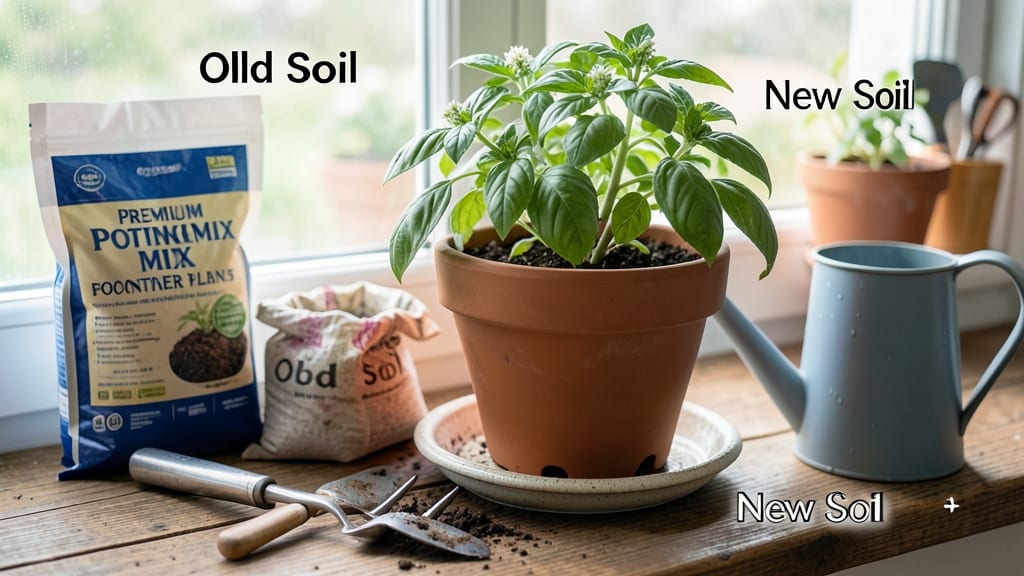
To change soil in potted plants every 12 to 18 months prevents nutrient depletion, root binding, and pest buildup, though tropical plants may need annual refreshers while succulents can thrive 2-3 years with proper care.
Soil quality directly impacts your plants' health, and over time, potting mix loses its ability to support growth. 🌱 Nutrients get used up, roots become root-bound, and moisture retention diminishes—all signs your plants are ready for a soil refresh.
I’ve found that fast-growing plants like herbs or ferns need more frequent attention, while slow growers like cacti or snake plants can go longer between soil changes.
The key is observing your plants: yellowing leaves, slow growth, or a foul smell from the soil are clear signals it's time for a change.
When refreshing soil, consider whether you need a full repot or just a top-dressing with fresh mix. For most plants, a partial soil replacement every 6 months can extend the life of your potting mix, while a complete refresh every 1-2 years keeps roots healthy.
Tropical plants, which thrive in consistently moist conditions, often benefit from annual soil changes to prevent microbial imbalances that lead to root rot.
💡 In This Article
- Why Potted Plant Soil Degrades Over Time
- Step-by-Step Guide to Refreshing Potted Plant Soil
Why potted plant soil degrades over time
Soil in potted plants breaks down through a mix of biological and physical processes. Over time, microorganisms like bacteria and fungi consume organic matter, depleting essential nutrients like nitrogen, phosphorus, and potassium. These nutrients are absorbed by plant roots, but without replenishment, the soil becomes exhausted.
For example, a typical potting mix starts with about 2-3% organic matter, but this can drop to less than 1% within a year for fast-growing plants like basil or coleus.
The texture of the soil also changes dramatically. As roots grow, they weave through the mix, creating dense root balls that restrict water and air flow. This compaction reduces porosity by up to 50%, making it harder for roots to breathe and absorb moisture.
You might notice water pooling on top of the soil instead of draining properly—a clear sign of compaction. Additionally, salts from fertilizers and minerals accumulate, creating a crusty layer that repels water, a condition called soil salinization. 🌱
Different plant types experience these changes at varying rates. Fast-growing tropical plants like ferns or peace lilies can deplete nutrients in as little as 6-12 months, while slow-growing succulents or snake plants may take 2-3 years to show signs of soil exhaustion.
The key difference lies in their root systems: tropical plants have dense, fibrous roots that absorb nutrients rapidly, whereas succulents store water and nutrients efficiently, reducing demand on the soil.
Microbial imbalances also play a role. Healthy soil contains a diverse ecosystem of beneficial microbes, but over time, harmful pathogens like Phytophthora (a water mold) or Pythium can dominate, especially in overwatered pots.
These pathogens thrive in stagnant, nutrient-poor conditions, leading to root rot. You might spot foul odors—like a sour or rotten smell—when removing your plant from its pot, a classic sign of microbial imbalance.
Visual and physical signs help determine when soil needs changing. Look for stunted growth, yellowing leaves (chlorosis), or roots circling the edge of the pot—a condition called root binding.
When you gently remove the plant, if you see roots growing in dense knots or a thick, crusty soil layer, it’s time for a refresh. Even if your plant looks healthy, soil that’s been in the pot for 2+ years often needs replacement to prevent these issues from developing.
Understanding these processes helps you tailor your care routine. For instance, adding a 2-3 inch layer of fresh potting mix every 6 months can extend the life of your soil, while using containers with drainage holes prevents waterlogging.
The right mix—often a blend of peat, perlite, and compost—balances nutrient availability, aeration, and moisture retention, keeping your plants thriving longer between soil changes. ✨