
How To
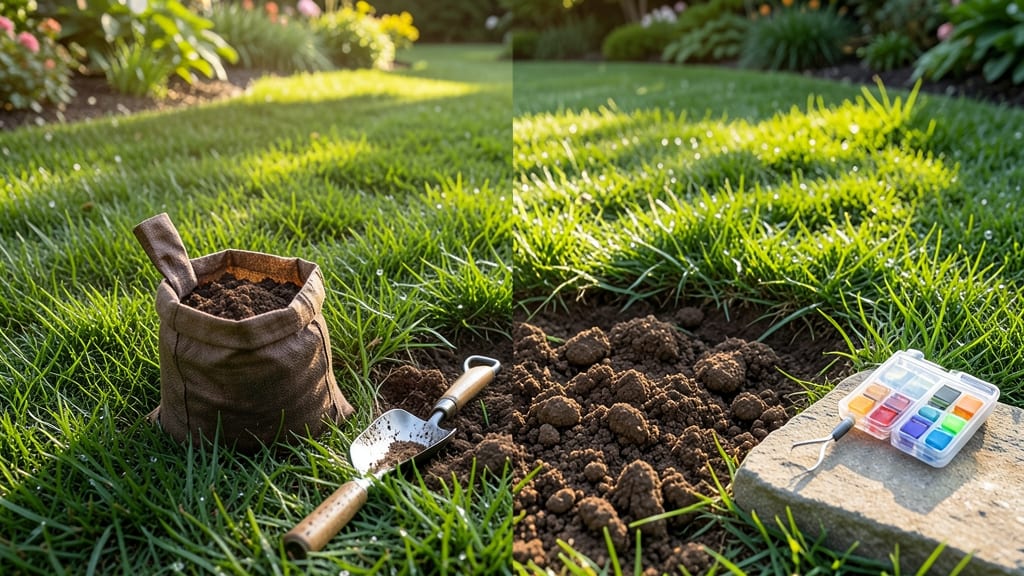
Soil conditioner is used to revitalize soil by improving its structure, aeration, and water absorption while fixing problems like compaction, poor drainage, or nutrient imbalances. This helps plants grow stronger with healthier roots and better yields.
Soil conditioners work by blending organic materials like compost or peat moss with synthetic amendments such as gypsum or perlite. 🌱 These ingredients break up dense soil, allowing roots to spread easily while holding moisture better.
For example, clay soil benefits most from sandy conditioners to improve drainage, while sandy soil needs organic matter to retain nutrients. I’ve found that applying conditioners in early spring or fall—when soil is workable but not frozen—gives plants the best start.
Different problems call for different solutions.
Organic conditioners like worm castings or aged manure gently rebuild soil over time, while inorganic options like lime or sulfur address specific pH issues quickly. 🌿 For instance, if your garden has yellowing leaves, sulfur might be needed to lower pH, but if the soil feels like concrete, compost will loosen it up.
Always test your soil first to avoid overcorrecting!
💡 In This Article
- How Soil Conditioners Work to Fix Common Soil Issues
- Best Soil Conditioners for Different Garden Problems
How soil conditioners work to fix common soil issues
Soil conditioners function like a biological and physical "soil doctor," addressing three core problems: compaction, poor aeration, and nutrient imbalance. The magic happens through a combination of organic matter (like compost or peat moss) and synthetic amendments (such as gypsum or perlite).
Organic materials break down over time, adding humus that improves soil's ability to hold water and nutrients while reducing density. For example, compost contains 2-5% organic matter, which can increase a soil's water retention by up to 30% while loosening tightly packed clay particles.
Synthetic amendments work differently but just as effectively. Gypsum, for instance, contains calcium and sulfur, which help break up clay soils by replacing sodium ions that cause compaction. Perlite, a volcanic glass, adds air pockets to sandy soils, improving aeration for root growth.
These materials don't just improve structure—they also enhance microbial activity. Healthy soil teems with 1 billion microbes per teaspoon, and conditioners create the ideal environment for these organisms to thrive, decomposing organic matter into plant-available nutrients. 🌱
The science behind moisture retention is fascinating too. Organic conditioners absorb water like a sponge, releasing it slowly to plants during dry spells. This is why gardens amended with compost rarely suffer from drought stress. In contrast, sandy soils drain too quickly, while clay soils hold water but suffocate roots.
Conditioners strike a balance, ensuring roots get oxygen while retaining enough moisture for consistent growth. For instance, a 1-inch layer of compost can improve water retention in sandy soil by 50% or more.
Another critical function is pH balance. Many soils become too acidic or alkaline over time, locking out essential nutrients. Lime raises pH, while sulfur lowers it, creating the optimal 6.0-7.0 range for most plants. Without conditioners, plants may struggle to absorb nutrients even if they're present in the soil.
For example, phosphorus becomes unavailable to plants in highly acidic soils, leading to stunted growth—a problem easily fixed with a 1-2 pound application of lime per 100 square feet, depending on soil tests.
Seasonal timing matters too. Applying conditioners in early spring or fall—when soil temperatures are moderate—allows microbes to work efficiently without overheating or freezing. Overworking wet soil can compact it further, so always wait until the ground is dry enough to crumble before tilling in amendments.
For best results, mix conditioners into the top 6-12 inches of soil, where most roots and microbial activity occur. This ensures long-term benefits rather than just surface-level improvements.
What most gardeners don't realize is that soil conditioners also reduce erosion by stabilizing soil particles. The organic matter binds soil aggregates, preventing them from washing away during heavy rains. This is especially important for sloped gardens or areas prone to runoff.
For example, a 3% organic matter content can reduce erosion by up to 40% compared to bare, unamended soil. The result? Healthier plants, less water waste, and a more sustainable garden ecosystem. 💫