
Fertilization
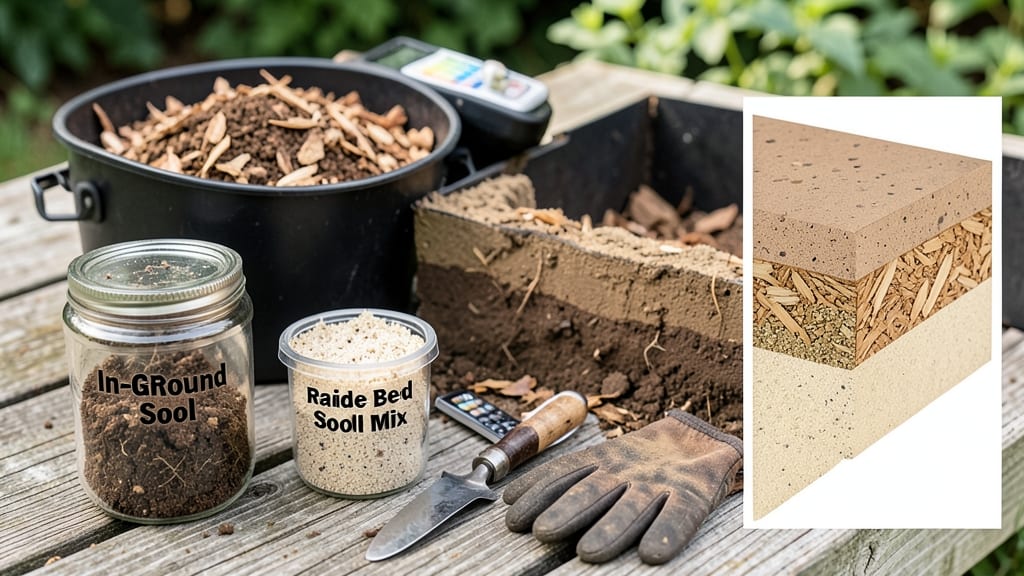
You can use in-ground soil for raised beds, but it's not ideal—it tends to compact easily, drain poorly, and may bring up weeds or pests. For better results, blend it with compost or use fresh, loose topsoil to improve aeration and fertility.
While in-ground soil might seem convenient, its tight, undisturbed structure struggles to support raised bed plants. 🌱 The heavy clay or compacted layers restrict root growth and water flow, leading to soggy soil or drought stress.
I've seen gardeners accidentally create waterlogged conditions by using undisturbed subsoil—roots suffocate when they can't spread properly. Instead, consider a 50/50 mix of quality topsoil and compost, which adds organic matter to loosen the texture while providing essential nutrients.
For long-term success, I recommend testing your soil first. Many garden centers offer pH tests for under $10, and the results will guide you on whether to add lime (for acidic soil) or sulfur (for alkaline soil).
This small step prevents future problems like nutrient deficiencies or slow plant growth. The key is creating a light, crumbly medium that mimics the natural forest floor—where roots thrive and water drains efficiently.
💡 In This Article
- Why In-Ground Soil Fails in Raised Garden Beds
- Best Soil Mixes for Raised Garden Beds
Why in-ground soil fails in raised garden beds
In-ground soil is often tightly packed due to years of foot traffic, machinery, and natural settling. This compaction reduces pore spaces between soil particles by up to 50%, which stifles root growth and oxygen flow.
Roots need air to respire—when soil is dense, they struggle to expand, leading to stunted plants. I've seen tomato plants in compacted soil develop shallow root systems, making them more susceptible to wind damage and drought stress.
The drainage issues stem from the soil's natural layering. In-ground soil typically contains a mix of topsoil and subsoil, where the subsoil layer is often clay-heavy and water-resistant.
When used in raised beds, this creates a "pan effect"—water pools at the bottom instead of draining through evenly. 🌧️ For example, a raised bed filled with undisturbed in-ground soil might stay waterlogged after just 1 inch of rain, while a well-amended bed drains completely within 24 hours.
This moisture imbalance invites fungal diseases like root rot.
Weeds and seeds buried in in-ground soil often survive the transplant process. Many gardeners assume tilling will kill them, but dormant weed seeds can remain viable for years. I've pulled up bindweed and nutgrass from raised beds months after installation—these perennials send out roots from even tiny fragments.
The soil's natural microbial balance also shifts, as beneficial fungi and bacteria get disrupted by the sudden exposure to air and light in raised conditions.
Nutrient depletion is another hidden issue. In-ground soil has been slowly leached of organic matter over time, while raised beds demand a fresh supply of nutrients. Plants in raised beds grow 20-30% faster because they have constant access to decomposed organic material, but undisturbed soil lacks this boost.
For instance, a 10-foot raised bed filled with in-ground soil might need 50% more fertilizer to match the productivity of one with a proper topsoil-compost mix.
Consider the texture difference: ideal raised bed soil should feel like a damp sponge—light enough to crumble between fingers but moist enough to hold shape. In-ground soil often feels gritty or rubbery, indicating poor structure. This texture directly affects water retention and root penetration.
For example, 1 part compost mixed with 2 parts topsoil creates this perfect balance, while pure in-ground soil lacks both the air pockets and organic matter to achieve it.
Finally, the microbial ecosystem shifts dramatically. In-ground soil's microbes are adapted to slow, deep-rooted plants like grasses, while raised beds support faster-growing vegetables that need rapid nutrient cycling.
The sudden change can stress plants, making them more vulnerable to pests. 🌱 This is why I always recommend amending in-ground soil with at least 30% compost—it jumpstarts the microbial activity needed for vegetable growth.