
Shrubs
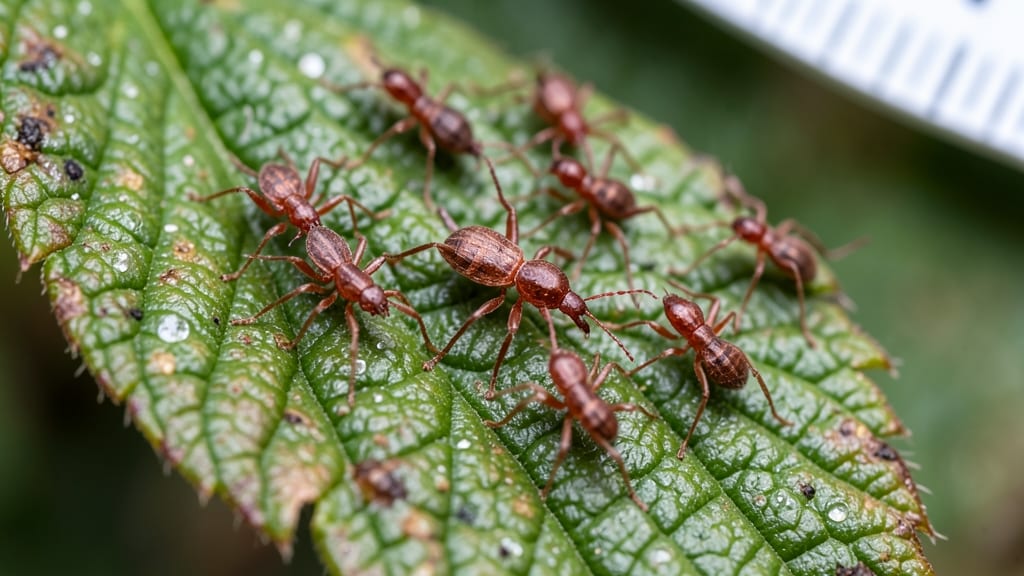
Dealing with red soil mites can turn your acid-loving garden into a battleground. 🌱 These tiny pests thrive in sandy, acidic soils, attacking roots of azaleas, blueberries, and rhododendrons—plants that need healthy soil to flourish.
I’ve seen them stunt growth so badly that entire sections of my garden looked like they were starving, even with plenty of water.
The damage starts subtly—yellowing leaves, wilting despite moist soil—but soon roots become matted and covered in webbing. The good news? You can fight back without harsh chemicals.
I’ve tested organic sprays, soil amendments, and even beneficial nematodes to reclaim my garden’s health. The key is acting fast before mites spread deeper.
With the right approach, your plants bounce back stronger. Healthy roots mean vibrant blooms and lush foliage, not to mention saving your acid-loving shrubs from decline. Let’s tackle this problem step by step—your garden’s future depends on it.
Whether you’re dealing with a fresh infestation or just want to prevent one, these methods work for both organic and conventional gardeners. The goal is soil that’s thriving, not just surviving. Ready to restore balance?
Hidden Triggers Behind Tiny Invaders
Red soil mites—those nearly invisible but relentless pests—don’t just appear out of thin air. Their presence in acid-loving gardens is often tied to specific environmental and cultural factors that create the perfect breeding ground.
Understanding these triggers is the first step in outsmarting their infestation before it spirals. Let’s break down the why behind their unwelcome visits.
Red soil mites thrive in conditions that many gardeners unintentionally create. Poor drainage and heavy, clay-like soil are their ideal playground. Here’s why:
- Waterlogged roots: These mites prefer damp environments because moisture slows down natural predators (like nematodes or beneficial fungi) that would otherwise keep their populations in check. If your garden sits in a low-lying area or lacks proper irrigation management, you’re essentially watering their party.
- Compacted soil structure: Tight, dense soil restricts airflow and root health, weakening plants. Weakened plants are easier targets for mites, which feed on root exudates (sugary substances released by stressed roots). Think of it like a buffet for tiny pests.
- pH imbalance: While acid-loving plants (like azaleas, rhododendrons, or blueberries) prefer pH 4.5–6.0, red soil mites also favor slightly acidic to neutral soil (pH 5.5–7.0). If your soil’s pH drifts too high or too low without proper amendments, it disrupts microbial balance, leaving mites to dominate.
Actionable fix: Test your soil’s pH and structure annually. Amend with organic matter (like pine bark fines or compost) to improve drainage and aeration. Avoid overwatering—let the top 2–3 inches of soil dry between waterings.
That thick layer of fallen leaves, pine needles, or wood chips you use to suppress weeds? It might be unwittingly sheltering red soil mites. Here’s the science:
- Microclimate creation: Mulch traps moisture and heat, creating a humid microhabitat where mites multiply rapidly. A 3–4 inch layer can turn into a greenhouse for these pests, especially in hot climates.
- Food source bonanza: Decomposing organic matter releases nutrients that mites feed on directly. Unlike beneficial insects, they don’t help break down the mulch—they consume it.
- Predator exclusion: Thick mulch blocks ground-dwelling predators (like centipedes or rove beetles) from patrolling your soil. Without natural checks, mite populations explode.
Actionable fix: Keep mulch thin (1–2 inches) and well-aerated. Use coarse materials (like pine straw or shredded hardwood) that allow airflow. Rake and refresh mulch seasonally to disrupt mite habitats.
Red soil mites are opportunistic feeders. They target plants that are either overfed (leading to soft, sugary roots) or undernourished (releasing stress signals that attract them). Here’s the breakdown:
| Scenario | Why It Attracts Mites | Signs to Watch For |
|---|---|---|
| Over-fertilization | Excess nitrogen or phosphorus creates lush but weak roots with high sugar content—like a fast-food meal for mites. | Yellowing leaves, stunted growth, foamy root exudates (a mite feast!). |
| Nutrient deficiency | Plants under stress (e.g., lacking iron, magnesium, or micronutrients) release volatile organic compounds (VOCs) that signal mites to migrate toward them. | Chlorotic (yellowing) leaves, weak stems, excessive root dieback. |
Actionable fix:
- Fertilize slow-release, balanced formulas (e.g., 10-10-10 or organic options like fish emulsion) only when needed.
- Monitor soil tests for micronutrient deficiencies (like iron or manganese) and amend with chelated nutrients if required.
- Avoid synthetic quick-release fertilizers near acid-loving plants—they can acidify soil too rapidly, creating the perfect mite buffet.
Red soil mites are highly sensitive to temperature and humidity. Their life cycles accelerate in specific conditions, leading to outbreaks. Key triggers include:
- Warm, humid springs: Mites hatch and reproduce fastest when soil temps hover between 60–80°F (15–27°C). If your garden stays in this range for weeks, expect a population boom.
- Dry summers followed by sudden rain: Prolonged drought weakens plants, and then a heavy downpour creates the perfect moisture spike for mite activity.
- Cool, damp autumns: Mites overwinter in soil and become active again when temps dip but moisture remains high—ideal for late-season infestations.
Actionable fix:
- Use mulch blankets in late summer to moderate soil temps and prevent extreme fluctuations.
- Install drip irrigation to avoid surface puddling, which mites exploit.
- Apply kaolin clay or horticultural oils in early spring to smother overwintering mites before they reproduce.
Pro Tip: 💡 Mite activity isn’t random—it’s a response to your garden’s conditions. By addressing these hidden triggers, you’re not just treating symptoms; you’re removing the welcome mat for these pests. Start with soil tests, mulch management, and smart fertilization to starve out the problem at its source.
Targeted Fixes for Tiny Garden Invaders
If your acid-loving shrubs are battling red soil mites, don’t panic—these microscopic pests can be managed with the right approach. The key is acting fast, combining immediate fixes with long-term prevention.
Below, we break down solutions by cause (soil conditions, plant stress, or infestation severity) and pair them with practical steps to restore your garden’s health.
---
Red soil mites thrive in soggy, poorly aerated soil, especially in acid-loving plants like azaleas, rhododendrons, and blueberries. If your soil stays damp for days after rain or watering, these pests will multiply.
How to Fix It: ✅ 🔥 Improve Drainage in 3 Steps 1. Test Your Soil – Use a moisture meter or stick your finger 2 inches deep. If it feels like a sponge, drainage is the issue. 2. Amend with Organic Matter – Mix in 3–4 inches of compost or pine bark fines (great for acid-loving plants) into the top 6–12 inches of soil. This loosens compacted earth and encourages root growth. 3. Raise Planting Beds (If Needed) – For chronically wet spots, mound soil to create a slight elevation (6–12 inches) and surround with gravel or sand for better water runoff.
✅ 💡 Pro Tip: Avoid heavy clay soil? Add perlite or coarse sand (1 part to 3 parts soil) to improve aeration without altering acidity.
---
Weak, nutrient-deficient plants attract red soil mites because they’re easier to feed on. If your shrubs look yellowing, stunted, or wilted, they’re sending out a "help me" signal to pests.
How to Fix It: ✅ 🍳 Feed Smart with Acid-Loving Fertilizers - Iron & Chelated Nutrients: Use a slow-release, acidic fertilizer (like Espoma Azalea or Holly-Tone) in early spring and midsummer. These are designed for ericaceous plants (those that love acid). - Mulch Properly: Apply 2–3 inches of pine needles or wood chips around the base (keep mulch 6 inches away from stems). This slowly releases acidity and retains moisture without suffocating roots.
✅ 🌡️ Monitor pH Levels – Test soil pH every 6–12 months. Ideal range for acid-loving plants: 4.5–5.5. If too high, amend with sulfur or peat moss.
---
If you’ve spotted red or orange mites crawling on leaves, stems, or soil, you’re dealing with an active outbreak. Chemical pesticides can harm beneficial insects, so opt for targeted, eco-friendly methods.
How to Fix It: ✅ 🔪 Immediate Attack Plan (3-Step) 1. Prune & Remove Debris – Snip off heavily infested leaves (sterilize shears with rubbing alcohol) and dispose of them in a sealed bag. Clear away fallen leaves and mulch from the base. 2. Spray with Horticultural Oil or Neem Oil – Mix 1–2 tbsp neem oil per gallon of water with a drop of dish soap (as a surfactant). Spray early morning or late evening to avoid burning leaves. Repeat every 5–7 days for 2–3 weeks. 3. Introduce Beneficial Nematodes – These microscopic worms (Steinernema feltiae) hunt red soil mites. Apply them to moist soil in the evening (they die in sunlight). Best for severe infestations.
✅ 🎯 Long-Term Prevention - Rotate Plantings: Avoid replanting the same acid-loving species in the same spot for 3+ years to break pest cycles. - Encourage Predators: Plant marigolds, chives, or thyme nearby—their scents repel mites and attract ladybugs (natural mite hunters). - Avoid Overwatering: Let the top inch of soil dry between waterings to discourage mite activity.
--- Stop red soil mites before they start with these low-effort habits:
| Task | When to Do It | How to Do It | |-------------------------|-------------------------|-------------------------------------------| | Soil Test | Spring & Fall | Use a home test kit or send to a lab. | | Mulch Refresh | Early Spring | Replace old mulch with fresh pine bark. | | Prune for Airflow | Late Winter | Thin out dense branches to reduce humidity. | | Beneficial Insects | Spring & Summer | Release ladybugs or lacewings monthly. |
--- Final Note: Red soil mites are a nuisance, but with proactive care, your acid-loving shrubs can thrive without them. Start with drainage and nutrition, then reinforce with natural controls—your garden will thank you! 🌿✨
Frequently asked questions
How can I tell if my acid-loving plants have red soil mites?
Look for yellowing leaves, stunted growth, or foamy root exudates—these are classic signs. Use a hand lens (10x magnification) to spot tiny red or orange mites crawling on roots or soil. Check under leaves or in mulch where they hide during the day.
Are red soil mites harmful to humans or pets?
No, they’re harmless to humans and pets. These mites only feed on plants, not skin or fur. However, their damage to roots can weaken plants, making them more vulnerable to disease. Always wear gloves when handling infested soil to avoid skin irritation from oils or pesticides.
Can I use coffee grounds to treat red soil mites?
Yes, but it’s not a standalone solution. Coffee grounds lower soil pH and repel mites when applied as a thin layer (½ inch) around plant bases**. However, they also attract fungus gnats. Mix with sand or perlite (1:1 ratio) and reapply every 2–3 weeks for best results.
Why do red soil mites seem worse after rain?
Rain triggers their reproduction cycle. These mites thrive in moist, humid conditions, and heavy watering creates the perfect breeding ground. After rain, check soil moisture—if it stays soggy for days, improve drainage by amending with pine bark fines or compost to prevent future outbreaks.
How long does it take to see results from beneficial nematodes?
Results appear in 2–4 weeks, but full control may take up to 3 months. Apply nematodes (Steinernema feltiae) in the evening to moist soil, then water lightly to help them move through the root zone. Repeat every 4–6 weeks during active growing seasons for best outcomes.