
How To
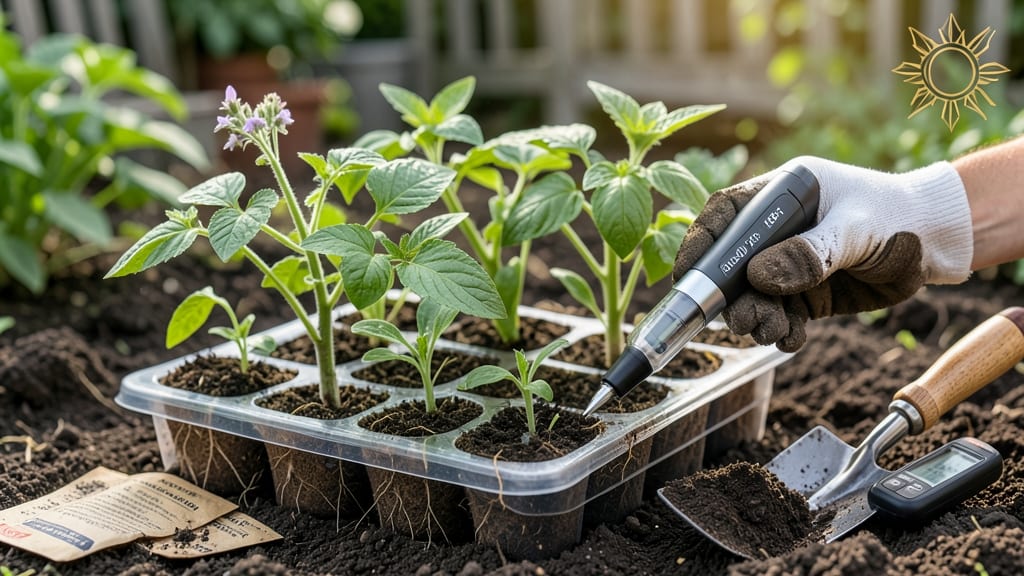
Soil temperature for planting determines when seeds germinate and roots establish, with ideal ranges between 45°F to 85°F depending on your crop type. Cool-season vegetables like lettuce and peas prefer 45°F–65°F, while warm-season crops such as tomatoes and peppers need 65°F–85°F. Always check soil depth with a thermometer before planting to ensure successful growth.
Getting the soil temperature for planting right isn't just about timing—it's about giving seeds the perfect environment to wake up and grow. 🌱 For example, broccoli seeds won't even sprout below 40°F, while cucumbers can rot if soil stays below 60°F for too long.
I've learned that even a 5°F difference can mean the difference between a thriving garden and wasted seeds. Using black plastic mulch or straw can raise soil temps by 5–10°F in cooler climates, while shade cloth helps prevent overheating in hotter regions.
Most gardeners overlook how depth matters—surface temps fluctuate wildly, but roots need consistent warmth at 2–4 inches deep. That's why I always check my thermometer at that level before planting.
For warm-season crops, waiting until soil reaches 70°F at planting depth ensures strong root development, while cool-season crops planted too early in warm soil may bolt or develop bitter flavors.
💡 In This Article
- How Soil Temperature Affects Seed Germination and Root Development
- Adjusting Soil Temperature for Different Crops and Climates
How soil temperature affects seed germination and root development
Soil temperature triggers germination by activating enzymes that break down starches into sugars, which seeds need for energy.
For cool-season crops like lettuce or spinach, the ideal 45°F–65°F range activates these enzymes just enough to kickstart growth without overheating delicate seedlings. 🌱 Meanwhile, warm-season crops such as tomatoes or peppers require 65°F–85°F because their enzymes work optimally at higher temperatures, mimicking tropical conditions where they evolved.
The root zone—typically 2–4 inches deep—is where the magic happens. At these depths, soil stays more stable than surface temps, which can swing 20°F+ in a single day. For example, broccoli seeds won’t germinate below 40°F, but if planted too early in warm soil, they’ll rot before sprouting.
This is why gardeners in Zone 5 often wait until late May, when soil finally hits 55°F at planting depth.
Microbes in the soil also play a critical role. Warmer temps (70°F+) boost beneficial bacteria that help break down organic matter, releasing nutrients roots can absorb. However, extreme heat (90°F+) can kill these microbes, creating a nutrient desert.
That’s why mulching with straw in summer keeps roots cool while retaining moisture—critical for crops like cucumbers, which wilt if soil temps exceed 85°F.
Some seeds have built-in dormancy mechanisms that require specific temperature cues to break. For instance, onion seeds need a period of cold stratification (35°F–45°F for 2–4 weeks) to germinate properly. Planting them too early in warm soil can result in poor germination, even if other conditions seem ideal.
This is why seed packets often list both soil temperature and planting time—both matter equally.
Heat-sensitive crops like peppers or eggplants suffer if soil temps drop below 60°F, leading to stunted growth or blossom-end rot. Their roots struggle to absorb calcium when soil is too cool, causing those telltale black spots on fruits.
On the flip side, cool-season crops like kale or carrots bolt (prematurely flower) if soil temps rise above 70°F, turning bitter and woody.
Even transplanting seedlings requires temperature awareness. Moving tomato starts from a greenhouse to 50°F soil can shock their roots, stalling growth for weeks. Hardening off seedlings gradually—exposing them to outdoor temps over 7–10 days—helps their roots adapt before permanent planting.
This slow transition mimics natural temperature shifts, reducing transplant shock.