Vegetables
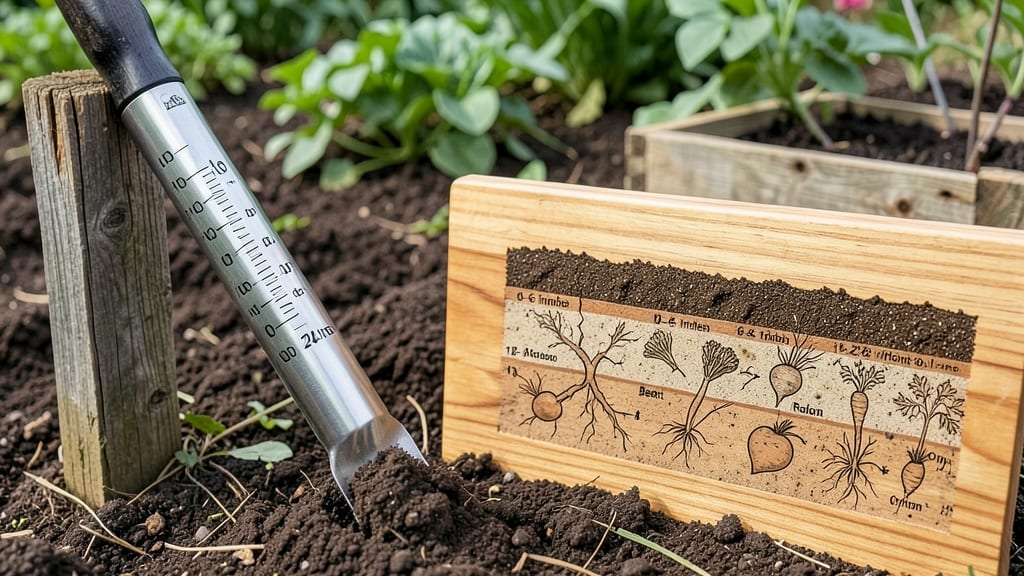
A soil depth chart for vegetables shows that root type dictates space needs: leafy greens like spinach thrive in just 6-12 inches, while deep-rooted vegetables such as potatoes or parsnips demand 24-36 inches for full development. Proper soil structure and drainage are non-negotiable for all varieties.
Understanding soil depth requirements for vegetables starts with recognizing how different plants grow. 🌱 Shallow-rooted crops like radishes or lettuce only need a few inches of loose soil to access moisture and nutrients near the surface, while deep-rooted vegetables such as carrots or sweet potatoes require extensive soil profiles to develop properly.
The key is balancing organic matter with proper drainage—heavy clay soils can suffocate roots, while sandy soils may not retain enough moisture. For container gardening, consider raised beds with at least 12 inches of depth for most vegetables, or deeper for root crops.
When amending soil, focus on improving texture rather than just depth. Mixing in compost or well-rotted manure enhances nutrient availability, while coarse sand helps break up compacted clay.
For rocky or shallow native soil, layering organic materials like leaf mold or straw can create a more hospitable growing environment over time.
Always test your soil's drainage by digging a hole and filling it with water—if it doesn't drain within a few hours, you'll need to add perlite or sand.
💡 In This Article
- How Root Systems Determine Vegetable Soil Depth Needs
- Creating Ideal Soil Depth for Different Vegetable Types
How root systems determine vegetable soil depth needs
The depth your vegetables need depends entirely on their root structure. Shallow-rooted plants like lettuce or spinach develop fibrous root systems that spread horizontally within the top 6-12 inches of soil, absorbing nutrients from a broad surface area.
These roots thrive in loose, well-aerated soil where they can quickly access moisture and minerals near the surface. In contrast, deep-rooted vegetables such as carrots or parsnips develop taproots that grow vertically, requiring 18-36 inches of unobstructed soil to reach maturity.
The deeper the root, the more it needs to anchor and store nutrients—carrots, for example, can grow up to 3 feet long in ideal conditions.
Soil compaction is the silent enemy of root development. When soil is tightly packed—often from foot traffic, machinery, or heavy rainfall—roots struggle to penetrate deeper layers. This is why gardeners notice stunted growth in compacted clay soils.
The pressure restricts oxygen flow, forcing roots to grow horizontally rather than vertically. 🌱 For instance, potatoes, which need 12-18 inches of soil, can split or fork if the soil is too dense, leading to deformed tubers.
Loose, crumbly soil with 30-50% porosity (the space between soil particles) allows roots to expand freely, accessing deeper moisture reserves during droughts.
Nutrient absorption is another critical factor tied to soil depth. Shallow-rooted plants rely on the topsoil layer, where organic matter and microbes concentrate. Adding 2-4 inches of compost annually replenishes these nutrients, but deep-rooted crops need access to subsoil layers where minerals like phosphorus and potassium accumulate over time.
For example, asparagus crowns can grow 2-3 feet deep and live for decades, making it essential to amend the soil to 24 inches before planting. Without adequate depth, these plants become stressed and produce fewer spears.
Drainage plays a dual role in root health. Poor drainage in shallow soils causes roots to suffocate, while excessive drainage in deep soils can lead to nutrient leaching. The ideal soil holds moisture like a sponge—releasing water gradually while allowing oxygen to reach roots.
For heavy clay soils, mixing in sand or perlite (up to 20% by volume) improves drainage without sacrificing moisture retention. Conversely, sandy soils benefit from peat moss or coconut coir to retain nutrients.
Always test your soil’s drainage by digging a 12-inch hole, filling it with water, and timing how long it takes to drain—ideal soils empty in 4-6 hours.
One common misconception is that deeper soil always means better growth. While deep-rooted plants benefit from extensive soil profiles, shallow-rooted crops can suffer if the soil is too deep and lacks organic matter near the surface.
For instance, radishes, which need only 6-8 inches of soil, may bolt (flower prematurely) if the topsoil is nutrient-poor. The solution? Focus on soil quality at the right depth—amend the top 12 inches for leafy greens and the full depth for root crops.
This targeted approach ensures every plant gets the conditions it needs to thrive.
Consider the example of tomatoes, which have a moderate root depth of 12-18 inches. While they don’t need as much depth as carrots, their roots spread widely to support the plant’s weight.
Planting tomatoes in soil that’s too shallow can lead to toppling, while overly deep planting may delay fruiting as the plant focuses on root growth. The key is matching the soil depth to the plant’s natural growth habits—observing how roots develop in their native environments provides the best guide.