
Pests
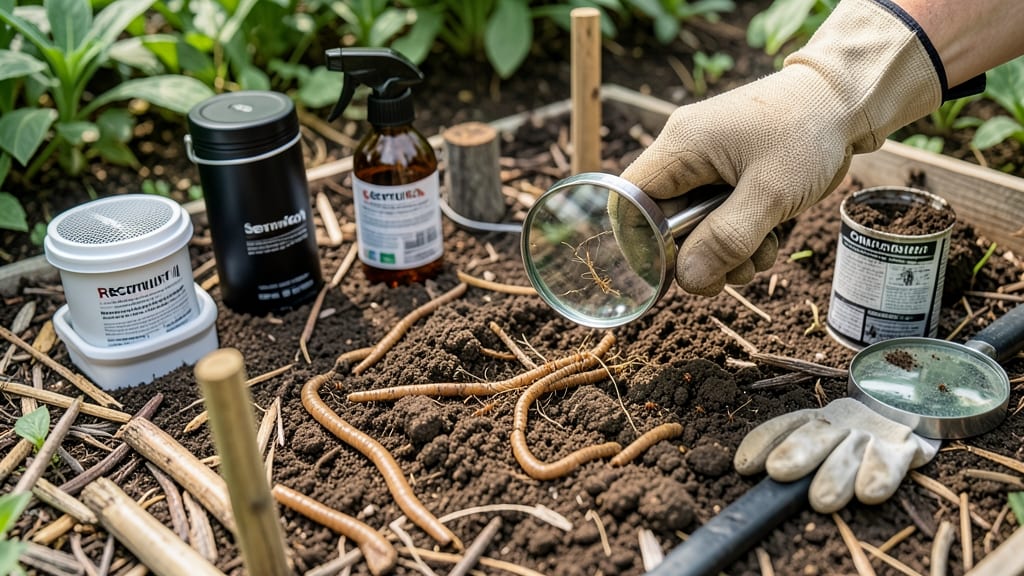
Termites in soil: how to treat these silent destroyers before they turn your garden into a honeycomb of tunnels and leave your plants struggling to survive. 🌱 I've seen firsthand how these tiny invaders compromise not just wooden structures but also plant roots, weakening the entire landscape. The good news? You can stop them without harsh chemicals that disrupt your garden's ecosystem.
Most infestations start because termites thrive in moist, decaying wood and cellulose-rich soil. My garden journal shows that spring and fall—when soil stays damp—are peak times for them.
The key to stopping them lies in three simple stages: removing their food sources, disrupting their pathways, and creating natural barriers they can't cross.
By the end of this process, your soil stays termite-free while keeping plants strong and structures intact. You'll notice healthier roots, fewer damaged mulch piles, and peace of mind knowing your garden is protected without toxic sprays. The secret? Working with nature's defenses instead of against them.
This method works for backyard gardens, raised beds, and even container setups. Whether you're dealing with a new infestation or just want to prevent one, these steps create a termite-proof zone that lasts for years. Let's get your soil back to healthy and your plants back to thriving.
Root Causes Of Soil Termites
Termites don’t just appear in your yard out of nowhere—they’re drawn by a mix of environmental, structural, and biological factors. Understanding these causes is the first step to preventing and treating an infestation without harsh chemicals. Here’s why these tiny but destructive pests thrive in your soil.
Termites need moisture to survive, and your soil may be their perfect hydration station. Here’s how it happens:
- Poor Drainage: Compacted or clay-heavy soil retains water, creating a damp, termite-friendly zone. If your yard floods after rain or has standing water, it’s a red flag.
- Leaky Pipes or Irrigation Issues: Underground water leaks or overwatered lawns (especially near foundations) turn soil into a termite buffet. Pro tip: Check for soggy patches or mold growth—these are moisture hotspots.
- Wood Debris & Mulch: Piles of rotting wood, stumps, or thick mulch layers trap moisture, accelerating decay and attracting termites. Even "natural" mulch can become a termite magnet if too close to your home.
Termites target weak spots where wood meets soil. If your home’s foundation isn’t properly protected, you’re inviting them in:
- Direct Wood-to-Soil Contact: Decks, fences, or wooden utility poles touching the ground provide easy access. Termites build mud tubes along these connections to stay hidden and hydrated.
- Aging or Damaged Wood: Old, rotting, or water-damaged wood (like subflooring or siding) is a termite buffet. Even pressure-treated wood can degrade over time.
- Cracks in Foundations or Slab Gaps: Tiny openings in concrete slabs or brick foundations let termites crawl inside undetected. Pro tip: Seal cracks with sand-cement mixtures (not just caulk) to block their entry.
Some landscapes are inherently termite-attractive. If your yard has these features, it’s no surprise they’re moving in:
- Shady, Humid Areas: Termites avoid direct sunlight. Dense shrubbery, overhanging trees, or poorly ventilated crawl spaces create ideal nesting spots.
- Dead Trees & Stumps: Decaying wood is a termite’s dream home. Even if you’ve removed a tree, the roots (or stump) can harbor colonies for years.
- Soil Composition:
Soil Type Termite Risk Clay Soil ⚠️ High (retains moisture, slow to dry) Sandy Soil ⚠️ Moderate (drains fast but lacks structure) Loamy Soil (balanced) ✅ Low (if well-drained)
Termites don’t work alone—they’re part of an ecosystem that includes other pests and fungi:
- Fungal Growth: Damp wood attracts fungi, which termites eat. The more fungus, the more termites. Look for black or white mold on wood near the ground.
- Ant or Cockroach Activity: These pests often share habitats with termites. If you see ants trailing near your foundation or cockroaches in crawl spaces, termites may be close behind.
- Existing Termite Colonies Nearby:
Termites swarm to establish new colonies. If your neighbors have had termite issues, their discarded wings (after swarming season) or mud tubes on their property are a warning sign.
By addressing these root causes—especially moisture, wood contact, and landscape risks—you can starve out termites before they become a full-blown infestation. The good news? Many of these fixes are simple, chemical-free adjustments to your yard and home’s foundation.
Termite Soil Treatment Solutions
Termites in your soil don’t have to mean a full-scale battle with harsh chemicals. With the right approach, you can eliminate them naturally while protecting your plants, pets, and family.
Below, we break down practical, step-by-step solutions tailored to the root causes of infestations—plus prevention tips to keep them from returning.
---
If you’ve spotted mud tubes, damaged wood, or swarms, act fast to stop the spread.
#### 🍳 Eliminate Mud Tubes & Entry Points - Scrape and destroy visible mud tubes with a stiff brush or putty knife.
Termites rebuild them, so repeat daily until none remain. - Seal cracks in foundations, walls, and wooden structures with sand, caulk, or steel wool—termites can’t chew through metal. - Remove infested wood (if safe) and burn or dispose of it far from your property.
#### 👨🍳 Use Natural Termite Repellents - Diatomaceous earth (DE): Sprinkle food-grade DE around the soil perimeter, especially near foundations. It dehydrates termites in 24-48 hours. Reapply after rain. - Orange oil or neem oil: Spray a 1:10 dilution (oil to water) on mud tubes and entry points.
These oils disrupt termite exoskeletons and deter swarmers. - Coffee grounds: Scatter used grounds near soil entry points—the strong scent confuses their trails.
#### ⏰ Set Up Bait Stations (Non-Toxic) - Place cardboard traps (soaked in water) near active areas. Termites will enter, but boil the water after 24 hours to kill them. - Commercial baits (like borax or boric acid) can be mixed with wood shavings and buried near infested zones.
Termites carry it back to the colony, slowly eliminating the nest.
--- Once the immediate threat is under control, strengthen your defenses to prevent reinfestation.
#### 🌱 Improve Drainage & Reduce Moisture Termites thrive in damp soil. Fix these issues first: - Install gutters to direct water away from your home’s foundation. - Grade your yard so water flows away from the house (not toward it). - Use gravel or landscape fabric under mulch to prevent moisture buildup near wood.
#### 🔪 Create a Natural Termite Barrier - Plant termite-resistant species like marigolds, lemongrass, or clover around your property. Their strong scents repel termites. - Apply a sand barrier: Spread 1-2 inches of coarse sand around the foundation.
Termites avoid crossing it. - Use crushed limestone or granite grit (available at garden centers) as a physical block to their tunnels.
#### 🌡️ Solarize the Soil (For Severe Infestations) - On a hot, sunny day, cover infested soil with clear plastic sheeting (sealed tightly at the edges). - Leave it for 4-6 weeks—the trapped heat kills termites and eggs in the soil. Best for small, contained areas.
--- Now that your property is termite-free, keep it that way with these low-maintenance strategies.
#### 💡 Regular Inspections & Early Detection - Check annually for: - New mud tubes (especially after rain). - Hollow-sounding wood (tap with a screwdriver—if it sounds dull, it’s compromised). - Swarmers (winged termites near windows or lights). - Use a moisture meter to detect hidden dampness in crawl spaces.
#### ✨ Maintain Your Property Like a Pro - Store firewood at least 20 feet away from your house and elevate it off the ground. - Avoid excessive mulch near foundations—keep it 6+ inches away. - Seal all wooden structures with borate-based treatments (like Timbor) to make them less appealing to termites.
#### 🚫 Termite-Proof Your Landscape - Remove dead trees, stumps, and fallen branches—they’re termite magnets. - Use composite decking instead of wood if possible. - Keep shrubs trimmed away from your home’s exterior.
--- For maximum effectiveness, mix two or more treatments (e.g., DE + orange oil + sand barrier). Termites are clever—they’ll adapt to one method, but multiple layers of defense make your property much harder to invade.
--- Need a quick recap? Here’s your 3-step battle plan: 1. Attack immediately (remove tubes, use repellents, set baits). 2. Fortify your soil (drainage, barriers, solarization). 3. Prevent future invasions (inspections, landscape tweaks, termite-resistant plants).
With these chemical-free strategies, you can outsmart termites and protect your home naturally. 🚀
Frequently asked questions
How do I know if termites are in my garden soil?
Look for mud tubes (pencil-sized tubes along foundations or wood), swarmers (winged termites near windows), or damaged wood that sounds hollow when tapped. Check for cracked paint on wooden structures too—this often signals hidden termite activity.
Will diatomaceous earth harm my plants?
Only use food-grade DE and apply it carefully—keep it 2-3 inches away from plant stems and roots. It’s safe for plants once settled, but direct contact can dry out delicate foliage. Water lightly after application to help it bond with the soil.
How long does it take for natural treatments to work?
Most natural methods like orange oil or borax baits take 2-4 weeks to fully eliminate a colony. Diatomaceous earth works faster (24-48 hours for visible termites), but you’ll need to reapply after rain. Consistency is key—don’t expect overnight results!
Can I use vinegar to kill termites in soil?
Vinegar won’t kill established colonies but can repel swarmers when sprayed directly on mud tubes. Mix equal parts vinegar and water, spray, then wipe away. For best results, combine it with borax baits or DE to attack the nest.
What’s the best time of year to treat for soil termites?
Focus on spring (March-May) and fall (September-November)—these are peak swarming seasons. Early detection in spring prevents summer infestations, while fall treatments target colonies before winter hibernation. Pro tip: Check after heavy rains when termites become more active!