
How To
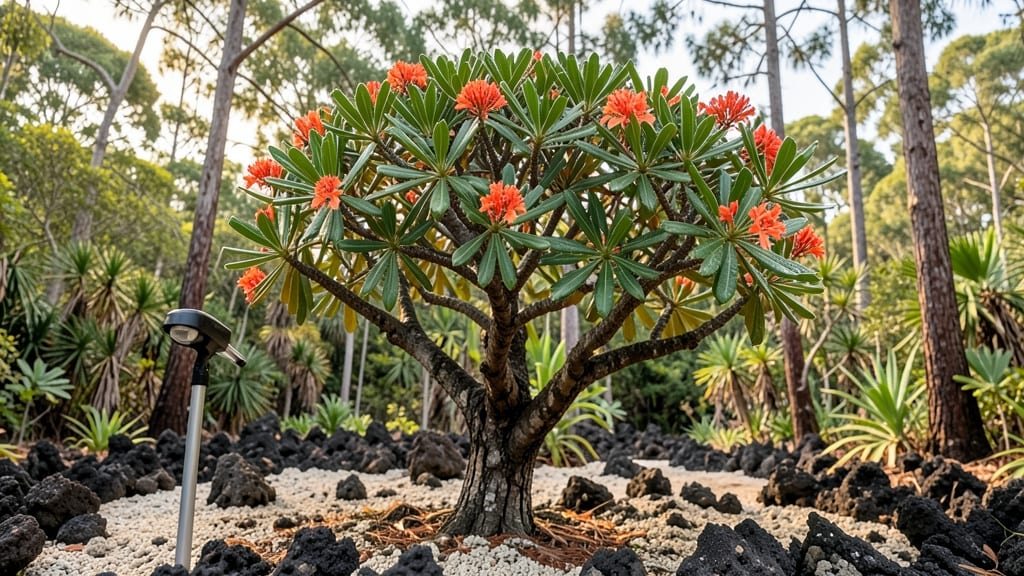
Hawaii’s soil is primarily volcanic, rich in minerals like iron and potassium but often poor in organic matter, requiring amendments like compost for successful gardening. Its fast-draining nature demands moisture retention techniques for plant health.
Hawaii’s volcanic soil forms from ancient lava flows that create a mineral-rich foundation but lack the organic material found in continental soils. 🌋 The islands' diverse microclimates—from arid Kona to lush Hamakua—mean soil pH and drainage vary dramatically, forcing gardeners to adapt.
Unlike mainland soils, Hawaii’s volcanic dirt heats up quickly and drains fast, which explains why mulching and drip irrigation become essential for plant survival. Many native species, like ohi'a lehua trees, have evolved to thrive in these conditions, while tropical imports often struggle without proper soil prep.
For those new to gardening in Hawaii, the key is testing your soil first—most volcanic soils test alkaline (pH 6.5-7.5), which can lock out essential nutrients. Worm castings and coconut coir are my go-to amendments to improve moisture retention, while hydro-mulch helps slow evaporation in sunny areas.
The good news? With the right adjustments, even non-native plants can flourish—just be prepared to work with nature’s volcanic canvas.
💡 In This Article
- How Volcanic Activity Shapes Hawaii’s Fertile Yet Challenging Soil
- Gardening Tips for Thriving Plants in Hawaii’s Unique Soil Conditions
How volcanic activity shapes Hawaii’s fertile yet challenging soil
Hawaii’s soil begins its life as molten basaltic lava, which cools and fractures over centuries into jagged volcanic rock. This process creates a mineral powerhouse—think 10-20% iron oxide (giving that signature reddish hue) and high concentrations of potassium, calcium, and magnesium.
However, the lack of organic matter is the catch: unlike continental soils built over millennia by decomposing plants, Hawaii’s volcanic soil starts nearly sterile. The real magic happens through weathering, where rain and wind gradually break down the basalt into finer particles, but this takes decades.
The islands’ dramatic topography creates stark soil differences. On windward sides like Hamakua, thick layers of organic debris accumulate, creating loamy soils with 5-10% organic matter. But leeward areas like Kona receive less than 20 inches of rain annually, leaving soil dry and nutrient-poor.
The pH swings wildly too—some volcanic soils test as low as 5.5 (acidic) in newer lava flows, while older soils reach 8.0+ (alkaline). This variability explains why a single island can support both lush rainforests and arid desert-like conditions.
What makes Hawaii’s soil uniquely challenging is its porosity. The fractured basalt creates a sponge-like structure that drains water at 3-5 times faster than typical garden soil. This rapid drainage isn’t just about water loss—it flushes away essential nutrients like nitrogen and phosphorus before plants can absorb them.
The solution lies in understanding these geological quirks: newer lava flows (100-1,000 years old) are rockier and more acidic, while older soils (>1,000 years) develop deeper organic layers but may become compacted. 🌋
Consider how this plays out in real gardening scenarios. A 1-gallon container of fresh volcanic soil might hold only 10% water by volume compared to 30% in amended garden soil. This explains why drip irrigation systems with 0.5-1 gallon/hour emitters work better than overhead sprinklers—water penetrates deeply before evaporating.
The mineral richness also means plants like hibiscus and avocado thrive with minimal fertilizer, while others (like tomatoes) need regular potassium supplements to compensate for leaching.
The volcanic origin also affects soil temperature. Dark basalt absorbs heat, creating microclimates where soil temps can reach 120°F+ in full sun—dangerous for many plants. This is why mulching with 3-4 inches of wood chips isn’t just about moisture; it’s about insulating roots from extreme temperature swings.
The trade-off? Volcanic soil’s natural fertility means once established, plants often grow faster than in amended continental soils, provided you account for these unique challenges.
Here’s what most gardeners miss: the soil’s age matters more than location. A 500-year-old lava field will have developed some organic matter, while a 50-year-old flow remains nearly barren.
Testing your specific soil type—whether through a $20 home kit or lab analysis—reveals whether you’re dealing with young, mineral-rich soil or older, organic-rich layers. This knowledge lets you tailor amendments precisely, whether adding sulfur to lower pH or lime to raise it.
The bottom line? Hawaii’s volcanic soil is a double-edged sword: its mineral richness fuels rapid plant growth, but its fast drainage and variable pH demand constant attention. Master these geological quirks, and you’ll unlock the potential of this unique growing medium. 💫