
How To
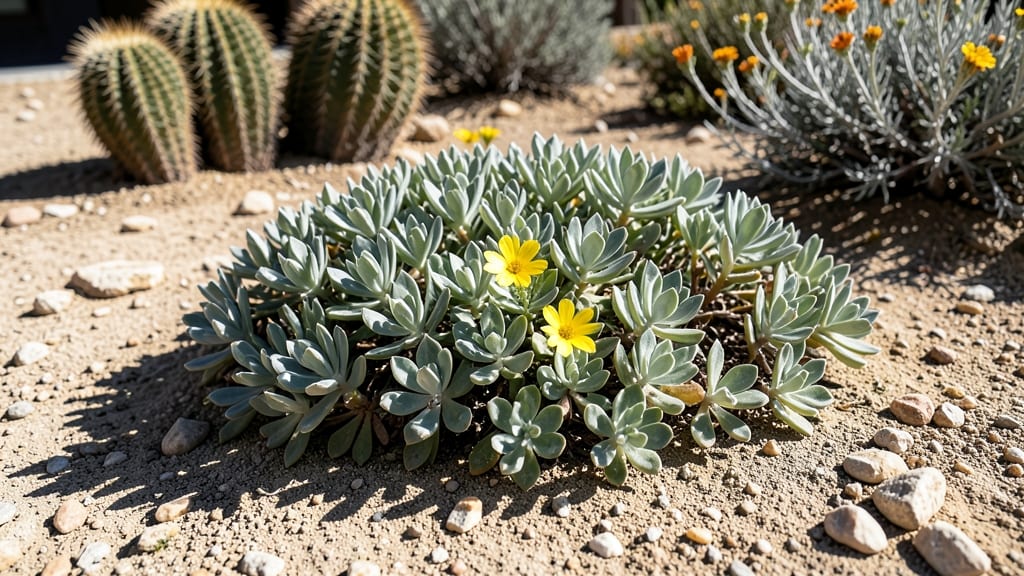
Soil in desert biomes is coarse, nutrient-poor, and low in organic matter because extreme dryness, high mineral deposits like calcium carbonate, and minimal microbial activity prevent organic breakdown. This gritty, well-draining texture helps drought-resistant plants thrive by preventing water loss and heat buildup.
Desert soil's unique makeup isn't just about dryness—it's a survival system shaped by millions of years of adaptation.
The lack of moisture means organic materials like leaves or dead plants rarely decompose, leaving behind a mineral-heavy foundation. 🏜️ What's fascinating is how this environment forces plants to evolve deep root systems and waxy coatings to conserve water, while also creating pockets of surprisingly fertile soil near rare water sources.
Gardeners working with desert soil often need to mimic these natural adaptations by amending the ground with organic matter and choosing plants that naturally thrive in these conditions.
Understanding this soil's behavior is key to successful desert gardening. Unlike humid climates where soil stays moist and rich, desert soil demands a different approach—one that focuses on water efficiency and mineral balance.
The coarse texture isn't a flaw; it's a feature that prevents erosion and supports the specialized flora that call these harsh landscapes home.
💡 In This Article
- How Aridity Transforms Desert Soil Composition
- Adaptive Gardening: Cultivating Plants in Desert Soil
How aridity transforms desert soil composition
Desert soil undergoes radical transformation due to aridity, where evaporation rates can exceed 10 inches per year in extreme cases. This relentless dryness prevents organic matter from breaking down, leaving behind a mineral skeleton dominated by calcium carbonate and quartz sand.
The lack of moisture halts microbial activity by up to 90% compared to temperate soils, eliminating the natural recycling process that enriches other ecosystems. What remains is a stark contrast to humid soils, where organic material decomposes into nutrient-rich humus within months.
The mineral composition becomes particularly striking in deserts. Evaporation leaves behind concentrated deposits like gypsum (calcium sulfate) and salt crystals that form distinctive white crusts on the surface. These minerals create alkaline conditions (pH often 8.0-9.5) that further inhibit plant growth.
The particle size also reflects this environment—desert soils typically contain 70-90% sand with minimal silt or clay, giving them that signature coarse, gritty texture that feels almost powdery when dry.
This contrasts sharply with loamy soils in temperate zones, which contain 40% sand, 40% silt, and 20% clay for ideal water retention.
Water scarcity fundamentally reshapes soil structure through a process called desiccation. When rare rainfall occurs, water quickly evaporates from the surface, leaving behind dissolved minerals that cement particles together. This creates a crust layer that can be up to 0.5 inches thick, preventing water infiltration and accelerating runoff.
The result is a paradox: while desert soils may appear dry and barren, they actually contain 10-30% more minerals by volume than humid soils, just in forms that plants can't easily access without specialized adaptations.
This mineral richness explains why some desert plants like creosote bushes can survive on less than 5 inches of rainfall annually.
The lack of organic buildup creates another critical difference. In non-arid soils, decomposing plant matter contributes 2-5% organic carbon, but desert soils typically contain less than 1%. This absence forces plants to develop deep root systems (some reaching 50 feet deep) to access moisture and nutrients.
The soil's physical properties—like its ability to conduct heat—also become survival tools. Desert soils can reach 150°F at surface level during daytime but drop to 30°F at night, creating extreme thermal fluctuations that many plants exploit by storing water during cooler periods.
This thermal behavior contrasts with temperate soils that maintain more stable temperatures year-round.
One fascinating mechanism is how wind shapes desert soil composition. The lack of vegetation cover allows wind to sort particles by size, creating aeolian deposits where fine silts accumulate in sheltered areas while larger sands form dunes.
This wind action also explains why desert soils often appear stratified—with layers of different mineral compositions and textures. For example, the Sonoran Desert contains soils with 30% calcium carbonate near the surface but less than 5% at 2 feet depth, reflecting different geological processes over time.
This stratification creates microenvironments where specialized plants can thrive in specific soil layers.
Understanding these mechanisms helps explain why desert soils support such unique ecosystems. The combination of mineral richness, extreme temperature fluctuations, and specialized plant adaptations creates a delicate balance.
For instance, the Joshua Tree relies on the soil's high calcium content to develop its distinctive growth form, while prickly pear cacti thrive in the shallow, rocky soils where other plants would struggle.
This interplay between geology and biology demonstrates how aridity doesn't just create dry soil—it forges an entirely different ecological system with its own rules for survival. 🏜️