
Pruning
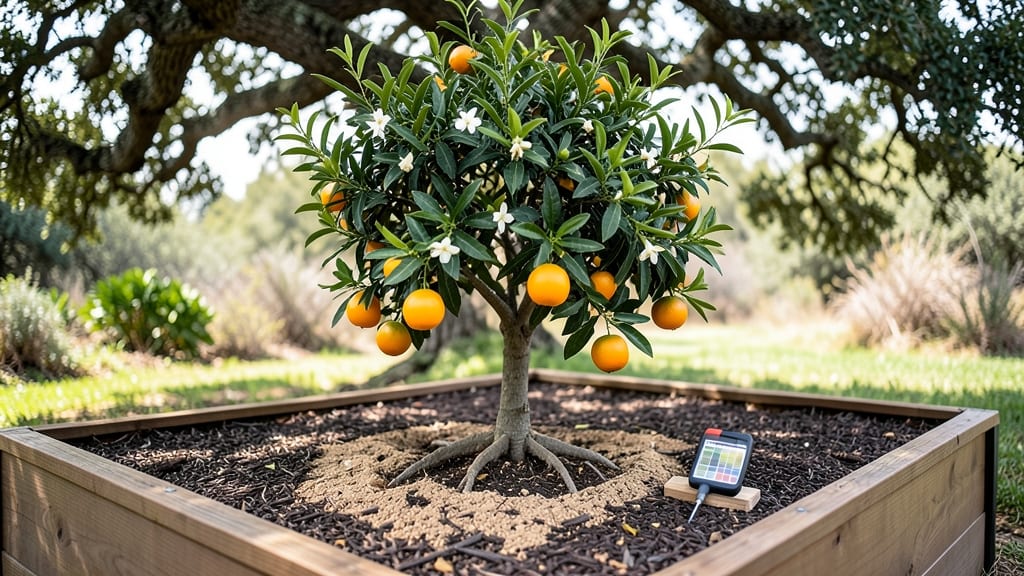
For orange trees, the ideal soil is well-draining, slightly acidic with a pH between 6.0 and 7.0, packed with organic matter like compost or aged manure, and featuring a loamy texture that balances moisture retention with root aeration. Sandy loam blends create the perfect growing environment.
Orange trees are picky about their growing conditions, and soil composition plays a starring role in their health. 🌱 The slightly acidic pH range isn't just a preference—it prevents common citrus problems like iron chlorosis (yellowing leaves) while making essential nutrients like phosphorus and potassium more available.
Loamy soil acts like a sponge, holding just enough moisture without suffocating roots, while the organic matter feeds beneficial microbes that break down nutrients for your tree.
I've found that adding a handful of coarse sand to heavier clay soils can work wonders for drainage, especially in regions with heavy rainfall.
Don't overlook the importance of seasonal adjustments. In summer, citrus trees drink more water, so maintaining that loamy texture becomes even more critical.
A quick soil test every spring can reveal if your pH has drifted—if it's too alkaline, a sprinkle of sulfur can bring it back into the ideal range. The key is creating an environment where roots can breathe while having easy access to the nutrients they crave.
💡 In This Article
- Why pH and Soil Composition Matter for Orange Trees
- DIY Loam Blends and Amendments for Citrus Trees
Why pH and soil composition matter for orange trees
Orange trees demand specific soil conditions because their nutrient uptake mechanisms are finely tuned to a slightly acidic environment.
When soil pH drifts above 7.0, iron becomes locked away in insoluble forms, causing the dreaded iron chlorosis—yellowing leaves with green veins that signal starving roots. 🌿 The ideal 6.0-7.0 pH range keeps iron, manganese, and zinc in bioavailable forms while preventing toxic buildup of aluminum or manganese that occurs in overly acidic soils (pH 5.5 or lower).
This balance isn't just about aesthetics; it directly impacts fruit quality and tree vigor.
The loamy texture serves as a biological highway system for roots. Loam's ideal composition—40% sand, 40% silt, and 20% clay—creates pockets of air between particles while retaining 25-30% moisture capacity. This prevents waterlogging that suffocates roots while ensuring consistent hydration.
I've seen orange trees in heavy clay soils struggle with poor aeration, while those in pure sandy soils dry out too quickly—both extremes lead to stunted growth.
The organic matter in loam (like decomposed leaf litter) acts as a slow-release nutrient reservoir, feeding beneficial microbes that break down complex nutrients into forms roots can absorb.
Here's what happens under the surface: Mycorrhizal fungi form symbiotic relationships with citrus roots, extending their reach by up to 10 times their physical length. These fungi thrive in well-aerated, organic-rich soils, creating a network that delivers phosphorus and other nutrients directly to the root zone.
Without proper soil structure, this natural partnership weakens, forcing the tree to expend energy growing more roots instead of fruit. The result? Smaller harvests and trees that look perpetually stressed, even with adequate watering.
Seasonal variations also play a role. During Florida's humid summers, the loamy texture helps prevent fungal diseases by keeping foliage dry, while in California's dry winters, the same soil structure prevents roots from drying out.
The organic matter's moisture-retention properties become especially critical during drought periods—trees in amended soils can access water stored in the soil profile while those in poor soils show wilting within 2-3 weeks of dry conditions.
This is why professional citrus growers often incorporate 3-5 inches of compost annually to maintain this delicate balance.
Consider this visual: A healthy orange tree's roots spread 18-24 inches deep but extend 3-4 feet wide. That's why surface-level soil amendments (like top-dressing with compost) only go so far—you need to work amendments into the root zone where most nutrient absorption happens.
The science shows that citrus trees in properly amended soils can absorb 30% more nutrients compared to those in unamended native soil, translating directly to bigger, sweeter fruit and stronger disease resistance.
What most gardeners overlook is how soil temperature affects root activity. Loamy soils warm up faster in spring, giving roots a 2-3 week head start on growth compared to heavy clay soils. This early-season advantage means trees can take full advantage of summer's growing period.
The organic matter also buffers against temperature extremes, protecting delicate root hairs from heat stress during 90°F+ days—a common issue in citrus-growing regions like Texas and Arizona.