
Propagation
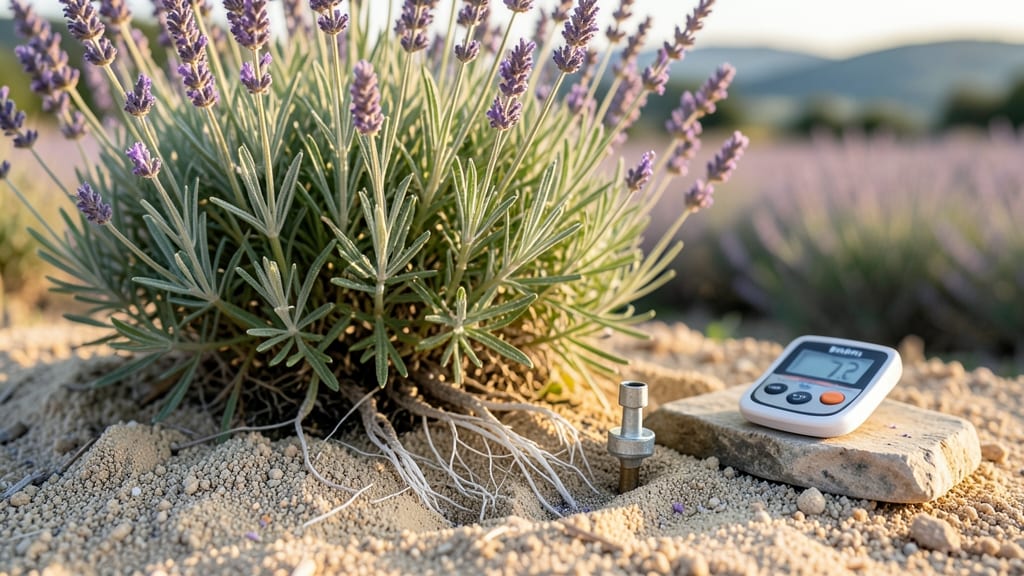
Sandy soil for lavender isn't just ideal—it's the secret to those fragrant, drought-resistant plants you've always wanted. 🌱 The right drainage prevents root rot and keeps lavender thriving where other plants struggle, and I've learned the hard way that amending soil properly makes all the difference.
Lavender hates soggy roots, so sandy soil mimics its natural Mediterranean habitat. If your soil is heavy clay, mix in coarse sand or gritty perlite to create that perfect loose texture.
A quick test: squeeze a handful—if it holds shape, it needs amending. 10-20% sand by volume usually does the trick for most gardeners.
Once planted, lavender in sandy soil stays disease-free and blooms prolifically. The key is watering deeply but infrequently—sandy soil dries out fast, so let the top inch get bone-dry between drinks. Overwatering is the #1 mistake, and it's easy to fix once you know the signs.
This method works for both in-ground beds and containers, making it perfect for small gardens or urban spaces. Whether you're starting from cuttings or nursery plants, the right soil setup ensures your lavender stays healthy for years—no more wilting stems or sparse blooms.
📚 In This Guide
- What you need
- Instructions
- Tips and common mistakes
- Wrapping up and next steps
What you need
- ● Base Soil: 1 part coarse sand (builder’s sand or horticultural sand, not fine beach sand) – 50% of the mix
- ● 1 part peat moss or coco coir (for moisture retention) – 30% of the mix
- ● 1 part garden loam or compost (well-aged, not fresh) – 20% of the mix
- ○ Amendments (Optional but Helpful): 1 tbsp perlite or pumice per gallon of mix (boosts drainage)
- ● 1 tbsp lime (if your soil is acidic; lavender prefers pH 6.5–7.5)
- ● 1 tbsp slow-release fertilizer (10-10-10 or lavender-specific blend)
- ● Tools: Garden trowel or spade
- ● Wheelbarrow or large bucket (for mixing)
- ● Gloves (to protect your hands from grit)
- ○ pH testing kit (optional but highly recommended)
- ● Watering can with a fine rose (for gentle hydration)
- ● Prerequisites: Sunny spot with 6+ hours of direct sunlight daily (lavender is a sun-worshipper!)
- ● Well-draining container or raised bed (if planting in pots, ensure drainage holes)
- ● Patience! Lavender thrives in well-established sandy soil—give it time to settle.
Step-by-Step guide to creating the perfect sandy soil base for lavender
Here’s how to craft a drainage dream for your lavender—no soggy roots in sight!
🪴 Step 1: Gather and Mix Your Sandy Base
Start with clean, coarse sand—the coarser, the better. I like to blend it with equal parts garden soil (but not clay-heavy soil—lavender hates that) to give roots something to grip while still allowing water to zip through. For 4 plants, mix 2 parts sand with 1 part soil in a wheelbarrow or large container. The goal is a gritty, almost crumbly texture that won’t compact.
Sift the mix to break up clumps—lavender roots need air pockets, not dense walls. Run your fingers through it; it should feel like damp beach sand, not wet cement. If it sticks together, add more sand. This is your foundation, so don’t skimp on the grit!
💧 Step 2: Amend for Nutrients Without Compacting
Lavender thrives in lean soil, but it still needs a few key nutrients. Stir in 1 cup of compost (per 4 square feet of bed) and ½ cup of bone meal for phosphorus—this boosts root growth without weighing down the mix. Avoid fresh manure or rich compost; it’ll smother those delicate roots. Think of this as a light snack, not a feast.
For extra insurance, sprinkle 1 tablespoon of sulfur over the mix if your area has alkaline soil (lavender loves pH 6.5–7.5). Work it in gently, then give the blend a final sift to keep it loose. You’ll know it’s right when a handful crumbles easily between your fingers.
☀️ Step 3: Prepare the Planting Site
Choose a spot with full sun (at least 6–8 hours daily) and no competing roots—lavender hates neighbors. Dig a hole twice as wide as the root ball but only as deep—lavender roots are shallow and don’t need burying. If your native soil is heavy, replace it entirely with your sandy mix. For 4 plants, you’ll need about 1 cubic foot of your blend per plant.
Loosen the sides of the hole with a fork to encourage roots to spread outward. Tap the bottom lightly to settle the mix, then fill the hole with your sandy blend, leaving a 1-inch lip around the edges. This prevents water from pooling during rain. Press down very gently—just enough to hold the plant steady, not enough to compact the soil.
🌱 Step 4: Plant and Water In—Gently!
Place your lavender plant in the hole, ensuring the top of the root ball sits just below soil level (never deeper). Fill in around the roots with more sandy mix, pressing lightly to eliminate air pockets. Water deeply but slowly—this helps the soil settle without displacing the roots. You’ll know it’s right when water drains through in 10–15 minutes, not pooling.
After planting, water again every 2–3 days until new growth appears (usually 3–4 weeks). Lavender’s roots are shallow, so keep the top 2 inches of soil consistently moist—but never soggy. Mulch lightly with ¼-inch of gravel to deter weeds and retain moisture without smothering the plant.
✂️ Step 5: Maintain Drainage for Long-Term Health
Once established, lavender needs very little water—just 1 inch per week during dry spells. If your sandy mix starts to compact over time (you’ll notice it feels denser when you dig your finger in), fluff it up with a hand fork and add a sandy top dressing. This keeps the roots happy and the drainage perfect.
Prune in early spring to shape the plant, but never cut into old wood—lavender blooms on new growth. Deadhead spent flowers to encourage more blooms, but avoid heavy pruning. Your sandy soil will reward you with fragrant, drought-resistant lavender for years!
Tips & tricks for perfect sandy soil for lavender
A few game-changing tricks that'll transform your lavender from struggling to stunning—because the right soil makes all the difference!
Texture is Everything: When mixing your 2-part sand to 1-part soil blend in Step 1, aim for a texture that resembles damp beach sand. If it feels sticky or compacted, add more coarse sand—lavender roots need that airy environment to thrive. I've learned this the hard way: once, I used too much soil, and my lavender plants struggled to establish roots for months. The perfect mix should crumble easily when you squeeze it in your hand.
Sunlight Secret: Lavender craves full sun (6-8 hours daily), but did you know the sandy soil you're creating actually helps regulate temperature? The coarse texture reflects sunlight while allowing heat to escape, preventing root burn. In Step 3, when choosing your planting spot, test the area at different times of day—morning sun is gentler, while afternoon sun can be intense, especially in sandy soil that heats up quickly.
Watering Wisdom: The 10-15 minute drainage test in Step 4 is your golden rule. If water pools or takes longer than 15 minutes to drain, your mix needs more sand. But here's what nobody tells you—after planting, those first 3-4 weeks of frequent watering (every 2-3 days) are crucial. The sandy soil will dry out faster than regular soil, so monitor the top 2 inches daily. Use a moisture meter if you're unsure—lavender hates soggy roots but also won't tolerate drought stress during establishment.
Long-Term Maintenance: That 1-inch weekly watering guideline in Step 5 is for established plants, but don't forget the annual checkup! Every spring, dig your finger 2 inches into the soil. If it feels compacted, fluff it with a hand fork and add a sandy top dressing. This simple habit prevents the soil from becoming too dense over time, which can suffocate those delicate lavender roots. Think of it as giving your plants a breath of fresh air!
Pro Tips for Sandy Soil For Lavender
- A few game-changing tricks that'll transform your lavender from struggling to stunning—because the right soil makes all the difference!
- Texture is Everything: When mixing your 2-part sand to 1-part soil blend in Step 1, aim for a texture that resembles damp beach sand.
- Sunlight Secret: Lavender craves full sun (6-8 hours daily), but did you know the sandy soil you're creating actually helps regulate temperature?
Frequently asked questions
Got questions about growing lavender in sandy soil? You’re not alone! Here are some of the most common concerns—and their solutions—to help you cultivate thriving, fragrant lavender plants.
Why does lavender need sandy soil?
Lavender thrives in well-draining soil because its roots are sensitive to waterlogging. Sandy soil mimics its natural Mediterranean habitat, preventing rot and encouraging strong root growth. Without proper drainage, lavender can develop fungal diseases or even die. Think of it as giving your plant a "dry" vacation—just like it loves!
How long does it take for sandy soil to improve lavender growth?
With the right amendments (like perlite or coarse sand), you’ll see noticeable improvements in 4–6 weeks. Lavender’s roots will spread faster, and you’ll notice more robust stems and blooms. Patience is key—avoid over-fertilizing, as lavender prefers lean soil. Test your soil’s pH (aim for 6.0–7.5) for the best results!
Can I grow lavender in sandy soil without adding anything else?
While lavender can grow in pure sand, it’s not ideal long-term. Mix in 20–30% compost or aged manure to provide essential nutrients without compacting the soil. A light layer of mulch (like gravel) also helps retain heat and deter weeds. Think of it as a "sandy hug" with a nutrient boost!
What if my lavender leaves turn yellow in sandy soil?
Yellowing leaves often signal overwatering or nutrient deficiency. Let the soil dry completely between waterings—stick your finger in the soil; if it’s damp past 2 inches, wait. If the issue persists, add a balanced, low-nitrogen fertilizer (like 5-10-5) sparingly. Yellowing can also mean the soil is too acidic—test and adjust with lime if needed!
Are there alternatives to sandy soil for lavender?
Yes! If sandy soil isn’t an option, try a 50/50 mix of potting soil and perlite or gravelly soil. Raised beds with excellent drainage also work well. Just avoid heavy clay or peat-based soils, which hold too much moisture. Pro tip: Elevate pots to improve airflow and drainage—lavender will thank you with vibrant blooms!
Wrapping up and next steps
Growing lavender in sandy soil is a game-changer—it ensures stellar drainage, prevents root rot, and unlocks those fragrant blooms you adore! 🌿 With the right mix of grit, organic matter, and a dash of patience, your lavender will thrive like never before.
Now that you’re armed with the know-how, roll up your sleeves and give it a try—your garden (and senses!) will thank you.
Next step? Grab your soil, pick a sunny spot, and watch your lavender flourish! 🌞