
Tools
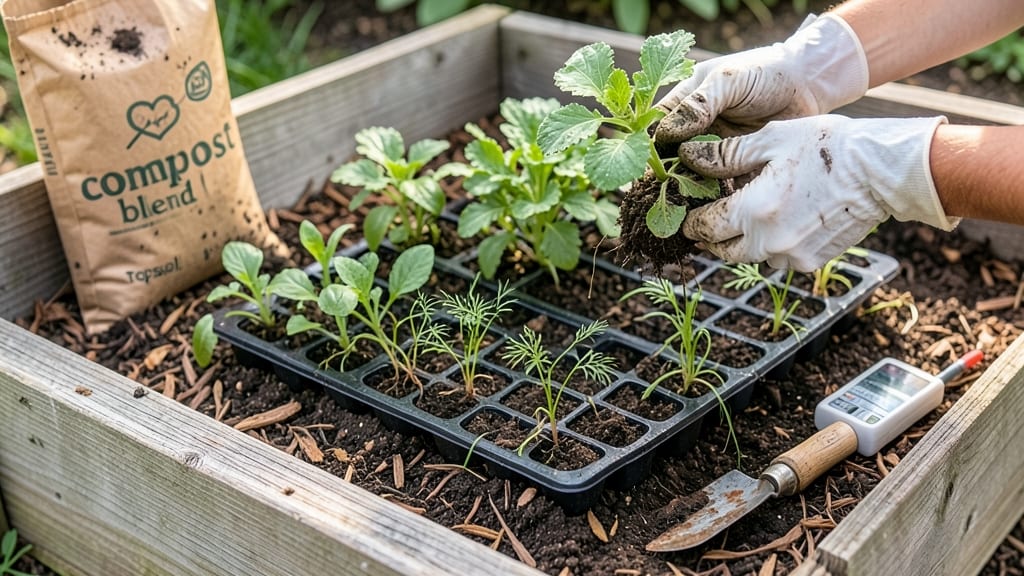
Can garden soil be used in raised beds? The answer is this soil deserves better than plain garden soil. 🌱 While it might seem like the easiest option, garden soil often compacts, drains poorly, and lacks the nutrients raised beds need for healthy plant growth.
I learned this the hard way after my first season—my tomatoes struggled despite my best efforts. The real secret is a custom mix that balances drainage, aeration, and fertility. Start with high-quality topsoil as your base, then blend in compost (for nutrients) and perlite or coarse sand (for structure).
This combo prevents compaction and keeps roots happy—exactly what you want for vegetables, herbs, or flowers. Once mixed, your raised beds will hold moisture without turning soggy, support strong root growth, and produce vibrant green plants from day one.
The upfront effort pays off in fewer weeds, fewer pests, and bigger harvests all season long. For best results, refresh the mix every 2-3 years or top-dress annually with compost. This keeps your soil light, fluffy, and full of life—no heavy digging required.
Your plants will thank you with thriving foliage and bountiful yields.
📚 In This Guide
- What you need
- Instructions
- Tips and common mistakes
- Wrapping up and next steps
What you need
- ● Garden soil: At least 2-3 cubic feet per square foot of raised bed (e.g., 4-6 bags for a 4’x8’ bed). Test for drainage and fertility first!
- ● Organic compost: 20-30% of the soil mix (e.g., 1 part compost to 2-3 parts soil). Use well-aged, screened compost (no large chunks).
- ● Perlite or vermiculite: 5-10% of the mix (e.g., 1 gallon per 4’x8’ bed) for aeration and moisture retention.
- ○ Peat moss or coconut coir: Optional but helpful (10-20% of the mix) to improve moisture retention in sandy soils.
- ● Balanced fertilizer (10-10-10 or 5-5-5): 1-2 tbsp per square foot or follow package instructions.
- ● Garden gloves: A sturdy pair to protect your hands from rough soil and sharp tools.
- ● Wheelbarrow or large container: For mixing soil amendments efficiently.
- ● Garden fork or shovel: To turn and aerate the soil before mixing.
- ● Soil pH test kit: To check if your garden soil is slightly acidic (6.0-7.0)—ideal for most vegetables.
- ● Landscape fabric or cardboard: To line the bottom of the raised bed and block weeds/grass.
- ● Biochar: 5-10% of the mix to enhance soil structure and nutrient retention.
- ● Worm castings: 1-2 cups per square foot for extra microbial activity.
- ● Slow-release organic fertilizer: Like alfalfa meal or bone meal for nutrient boosts.
- ● Soil moisture meter: To monitor water levels and avoid over/under-watering.
- ● Knee pads or a small stool: For comfort during long mixing sessions!
Instructions for using garden soil in raised beds
Here's how to incorporate garden soil safely—without the common pitfalls that stifle roots.
🌱 Step 1: Test Your Garden Soil First
Before adding any garden soil to your raised bed, test its quality. Dig a small hole in your yard and examine the soil's texture and composition. Healthy garden soil should be crumbly when dry and slightly moist when damp, with visible organic matter like decomposed leaves or grass clippings. If your soil feels hard, compacted, or has a strong odor, it may contain too much clay or thatch, which can suffocate roots in a raised bed.
I like to do a simple jar test: Fill a clean quart jar halfway with dry soil, add water to the top, and shake vigorously. Let it settle for 24 hours. If the top third is mostly organic matter and the bottom third is sand or small stones, your soil is decent for raised beds. If the jar separates into thick layers of clay or silt, blend it with lighter materials like compost or coconut coir to improve drainage.
🪴 Step 2: Mix Garden Soil with Amendments
Never use garden soil straight from the ground in raised beds—it compacts too easily and blocks airflow. Instead, blend it with 50% garden soil and 50% amendments like compost, peat moss, or aged manure. This ratio prevents compaction while providing nutrients. I always start with a base of 2 inches of coarse material—like pine bark fines or perlite—at the bottom of the bed to improve drainage.
For a 4-foot by 8-foot raised bed, mix 8 cubic feet of garden soil with 8 cubic feet of compost and 4 cubic feet of perlite or vermiculite. This ensures your plants get both the structure they need and the nutrients to thrive. Spread the mixture evenly, breaking up any clumps with your hands or a garden fork to maintain loose, aerated soil.
☀️ Step 3: Layer and Fluff for Optimal Structure
Fill the raised bed in 2-inch layers, alternating between garden soil mixes and organic matter like straw or leaf mold. This layering prevents compaction and mimics natural soil profiles. After each layer, use a broadfork or your hands to loosen the soil, creating pockets for roots to explore. You’ll know you’ve done it right when the soil feels light and airy—like crumbled cake batter.
Top the bed with 1-2 inches of finished compost before planting. This top layer acts as a mulch, retaining moisture and slowly feeding your plants. Avoid pressing down too hard—you want the soil to stay loose so roots can penetrate easily. Water gently after filling to settle everything without compacting.
💧 Step 4: Monitor Moisture and Adjust as Needed
Garden soil in raised beds dries out faster than in-ground soil, so check moisture daily during hot weather. Stick your finger 1-2 inches deep—if it feels dry, water deeply until moisture reaches 6 inches down. Overwatering is just as bad as underwatering; you’ll see wilting leaves or mold if the soil stays soggy. A drip irrigation system or soaker hose keeps moisture consistent without disturbing the soil structure.
After the first few waterings, the soil will settle slightly. Top off with a thin layer of compost or mulch to maintain the bed’s height and prevent erosion. If you notice plants struggling—yellowing leaves or stunted growth—your soil may need more organic matter. Add a 1-inch layer of compost around plants and water lightly to integrate it.
✂️ Step 5: Maintain Soil Health Long-Term
Raised beds built with garden soil need annual top-dressing to stay productive. In early spring, spread 1-2 inches of compost over the surface and gently work it into the top 2 inches of soil. This replenishes nutrients lost during the growing season. I also rotate crops yearly to prevent nutrient depletion—heavy feeders like tomatoes go in one year, while lighter plants like lettuce take their place the next.
Watch for signs of soil fatigue: slow growth, pale leaves, or pests like fungus gnats. If you see these, your soil may need a 50/50 mix of fresh compost and garden soil to rejuvenate. Healthy soil in raised beds should look dark, crumbly, and teeming with earthworms. If you spot fewer than 5-10 worms per square foot, it’s time to amend again.
Tips & tricks for healthy raised bed soil
Here's what nobody tells you about making garden soil work perfectly in raised beds.
Soil Texture Matters: In Step 1, when testing your garden soil, pay close attention to how it feels when dry and damp. Clay-heavy soil will form hard clumps that suffocate roots, while sandy soil drains too quickly. The ideal texture should crumble easily between your fingers—like a well-made chocolate cake. If your soil doesn't pass this test, blend it with 20% coconut coir or 15% peat moss to improve structure. This adjustment prevents compaction while maintaining moisture retention.
Layering Secret: During Step 3, when building your 2-inch layers, I've found that adding a thin layer of crushed eggshells between soil layers provides calcium for plant growth without altering texture. The eggshells also deter pests naturally. Just sprinkle a light dusting between each layer—it dissolves slowly and won't affect your soil's aeration. This small addition creates a more balanced growing environment for your plants.
Moisture Management: In Step 4, when monitoring moisture, I recommend using a soil moisture meter for precise readings rather than relying on your finger. These inexpensive tools give you exact moisture percentages, helping you avoid both underwatering and overwatering. Aim for 40-60% moisture content—this range keeps roots hydrated without creating waterlogged conditions. The meter also helps you track how quickly your soil dries out, which varies by climate and season.
Long-Term Health: For Step 5's annual top-dressing, I've discovered that mixing in 1 cup of biochar per square foot of bed creates a lasting improvement. Biochar enhances nutrient retention and microbial activity in the soil. It's especially valuable in raised beds where soil volume is limited. Add it during your spring top-dressing along with the compost—your plants will show improved vigor throughout the growing season.
Pro Tips for Can Garden Soil Be Used In Raised Beds
- Here's what nobody tells you about making garden soil work perfectly in raised beds.
- Soil Texture Matters: In Step 1, when testing your garden soil, pay close attention to how it feels when dry and damp.
- Layering Secret: During Step 3, when building your 2-inch layers, I've found that adding a thin layer of crushed eggshells between soil layers provides calcium for plant growth without altering texture.
Frequently asked questions
Got questions about using garden soil in raised beds?
You’re not alone! Here are some of the most common concerns—and their straightforward answers—to help you grow with confidence.
Is garden soil safe to use directly in raised beds?
Not always! Native garden soil may contain weeds, pests, or diseases that can harm your plants. Always sterilize or amend it by mixing in compost, aged manure, or a balanced fertilizer (like 10-10-10) to improve drainage and nutrition. If your soil is heavy clay or sandy, blend it with coconut coir or peat moss for better structure.
How long does it take for garden soil to break down in a raised bed?
With proper amendments, garden soil can integrate into your raised bed mix within 1–2 months, especially if you till it in with organic matter. For faster results, layer it with compost and topsoil (e.g., 50% garden soil, 30% compost, 20% perlite). Avoid rushing—patience ensures healthier roots and fewer nutrient deficiencies.
What’s the best ratio of garden soil to other materials?
A balanced mix is key! A 50/50 split of garden soil and compost is a great starting point for most vegetables and herbs. For heavier soils, try 40% garden soil, 30% compost, and 30% perlite/sand. Adjust based on your plants’ needs—leafy greens love nutrient-rich soil, while succulents thrive in gritty blends.
Will using garden soil attract pests to my raised bed?
Possibly, but not if you prep it right! Sterilize soil with solarization (covering it with plastic for 4–6 weeks in sun) or baking it in a batch (if small-scale). Add diatomaceous earth or neem oil as a preventive. Monitor for slugs or grubs and handpick or use row covers if needed—your plants will thank you!
Is it cheaper to use garden soil vs. buying bagged mix?
Yes, but with trade-offs!
Garden soil is free (or low-cost) but requires time and effort to amend. Bagged mixes are pricier ($3–$5 per bag) but save you the hassle of balancing nutrients. Weigh your budget against your time: DIY is great for large beds, while pre-mixed soil wins for small or high-maintenance gardens.
What do I do if my plants look unhealthy after using garden soil?
Check for yellowing leaves (nutrient deficiency), stunted growth (compacted soil), or wilting (poor drainage). Flush the soil with water to leach excess salts, then top-dress with compost or a slow-release fertilizer. If pests appear, rotate crops next season and avoid reusing the same soil without treatment.
Wrapping up and next steps
So, can garden soil be used in raised beds? The answer is yes—but with strategy! 🌱 While it’s a budget-friendly option, blending it with compost, sand, or organic matter will boost fertility and drainage for thriving plants.
Start small, test your soil, and adjust as you go—your garden’s success is just a few shovelfuls away!
Ready to get growing? Grab your tools, prep your bed, and watch your plants flourish with confidence! 🌿