
How To
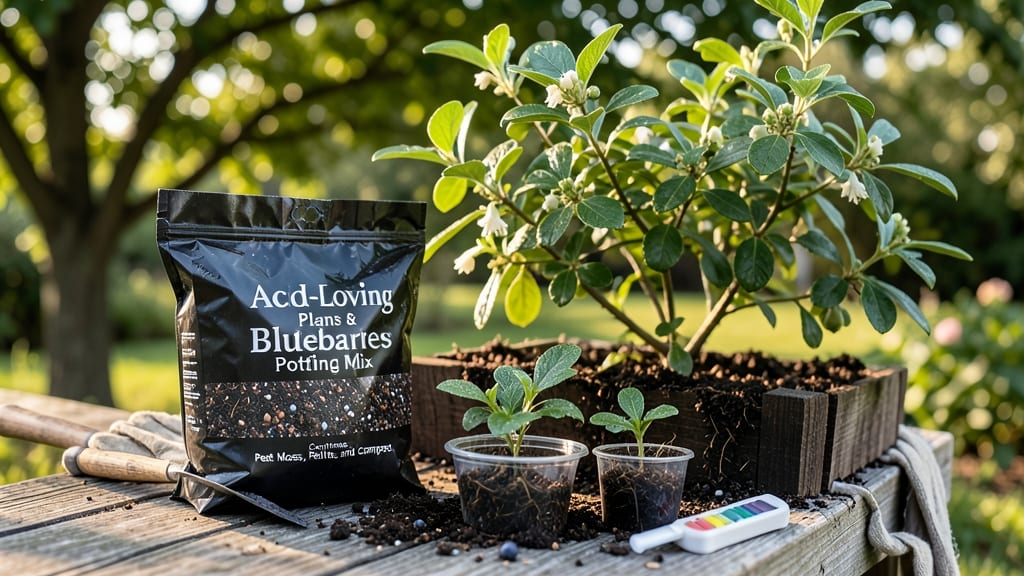
The secret to juicy blueberry harvests in containers starts with the right potting soil—one that mimics their natural acidic forest floor. 🌿 After years of struggling with stunted growth and sour-tasting berries, I finally cracked the code: a mix that keeps pH between 4.5-5.5, drains like a dream, and holds just enough moisture without drowning roots.
The difference? Berries so sweet they taste like childhood memories. Most pre-mixed potting soils are too alkaline and packed with lime—blueberries despise that. Instead, blend 70% peat moss or pine bark fines (for acidity), 20% perlite or coarse sand (for drainage), and 10% compost (for nutrients).
Add a handful of sulfur granules to adjust pH if needed. This combo stays loose, prevents root rot, and feeds plants steadily without burning them. You'll notice the first sign of success within 4-6 weeks: deep green leaves, sturdy canes, and—eventually—berries that burst with flavor.
The soil stays workable for 2-3 years if you top-dress with fresh compost annually. No more bitter, mealy berries or plants that refuse to thrive. Works for both dwarf and standard varieties, whether you're growing in 5-gallon pots or large half-barrels.
Here's how to mix it right the first time—no more guesswork!
📚 In This Guide
- What you need
- Instructions
- Tips and common mistakes
- Wrapping up and next steps
What you need
- ● Peat moss or coconut coir: 50% of the mix (retains moisture, mimics acidic bog conditions).
- ● Sphagnum peat moss: 25% (boosts acidity and drainage).
- ● Pine bark fines or fir bark: 20% (improves aeration and structure).
- ● Perlite or pumice: 5% (enhances drainage to prevent root rot).
- ● Sulfur or aluminum sulfate: 1–2 tbsp per gallon of mix (adjusts pH to 4.5–5.5—critical for blueberries!).
- ● Slow-release fertilizer: 1 tbsp per gallon (look for high nitrogen and low phosphorus for young plants).
- ● Large mixing container: A wheelbarrow or 5-gallon bucket (sterilized with a 10% bleach solution if reused).
- ● pH testing kit: Digital or liquid test strips to monitor acidity levels.
- ● Gloves and mask: Protect yourself when handling sulfur or peat.
- ● Container with drainage holes: 1–2 gallons per plant (bigger pots = bigger harvests!).
- ● Watering can with a fine rose: For gentle, even moisture distribution.
- ● Composted pine needles: 5–10% of the mix (adds organic matter and acidity).
- ● Worm castings: 1 tbsp per gallon (boosts microbial activity).
- ● Mulch (pine straw or wood chips): Top layer to retain moisture and acidity.
- ● Osmocote or similar: Time-release fertilizer for sustained nutrition.
How to create the perfect potting soil for blueberries
Here's the foolproof blend I use to keep my blueberry bushes thriving in containers—no guesswork, just science-backed acidity and drainage.
🌱 Step 1: Start With the Right Base Mix
Blueberries demand acidic soil between pH 4.5-5.5. I begin with 50% peat moss or coconut coir—the organic matter retains moisture while allowing roots to breathe. This base mimics the acidic forest floors where wild blueberries thrive. Avoid garden soil or composted materials, which raise pH and lock out nutrients.
For 4 gallons of finished mix, measure out 2 gallons of peat moss (or coconut coir if you prefer a sustainable option). Fluff it with your hands to break up any clumps—this ensures even moisture distribution later. If your peat feels dry, lightly mist it until it holds together when squeezed but doesn't drip.
💧 Step 2: Add Acidifying Amendments
The secret to juicy berries lies in these three amendments. First, mix in 1 cup of sulfur—this lowers pH gradually over time. Next, add 1 cup of pine bark fines for structure and additional acidity. Finally, stir in 1 cup of perlite or coarse sand to prevent compaction and improve drainage.
I like to pre-mix these dry ingredients in a wheelbarrow before adding the peat. This ensures even distribution. Avoid powdered lime or wood ash—these raise pH and will turn your soil alkaline overnight. Once mixed, the blend should look dark, crumbly, and slightly gritty to the touch.
✂️ Step 3: Incorporate Organic Matter
For sustained nutrition, fold in 1 cup of sphagnum peat moss (not the same as the base) and ½ cup of worm castings. The sphagnum adds extra acidity, while worm castings provide slow-release nutrients without altering pH. I use a garden trowel to gently stir these in until the mix looks uniformly dark brown with visible worm castings.
This is where many gardeners go wrong—they skip the worm castings, thinking blueberries don't need nitrogen. But without it, your plants will produce leaves but few berries. Test the mix by squeezing a handful: it should hold its shape when pressed but not feel soggy.
☀️ Step 4: Test and Adjust Before Planting
Before using your mix, test the pH with a reliable meter. Aim for 4.8-5.0—this is the sweet spot for blueberry roots to absorb iron and other micronutrients. If your reading is above 5.5, stir in an additional ½ cup of sulfur and retest after 24 hours.
I also run a quick drainage test: fill a container with your mix, pour water until it's saturated, then let it drain completely. It should take 10-15 minutes for water to stop dripping. If it drains too fast (under 5 minutes), add more peat moss. If it stays wet (over 30 minutes), incorporate extra perlite.
🪴 Step 5: Plant and Maintain Acidic Conditions
Fill your 5-gallon container (minimum size for blueberries) with your custom mix, leaving 1 inch from the rim for mulch. Plant your blueberry bush, ensuring the root flare sits just above the soil line. Water thoroughly until it drains from the bottom holes.
Here's the thing—blueberries won't tolerate pH swings. After planting, I top-dress with ½ inch of pine needles annually. These decompose slowly, maintaining acidity without shocking the roots. Watch for new leaves emerging 4-6 weeks after planting—that's your signal the soil is working.
Tips & tricks for perfect blueberry potting mix
Here's what nobody tells you about creating the ideal growing environment for your blueberry bushes—these are the secrets that turn good harvests into spectacular ones.
Base Mix Consistency: When measuring the 2 gallons of peat moss or coconut coir, use a clean, dry container to avoid contamination. I've learned the hard way that damp peat from the bag can throw off your moisture balance. After fluffing, give it a final squeeze test—it should feel like a damp sponge, not a wet rag. This ensures your blueberries get the right moisture without waterlogging.
Sulfur Application Strategy: The 1 cup of sulfur in Step 2 is your secret weapon for maintaining acidity, but timing matters. Spread it evenly over the peat moss before mixing, not after. This allows the sulfur to distribute uniformly throughout the blend. If you notice white crusts forming on your mix after a few weeks, that's normal—it's just sulfur doing its job. Just stir it back in before planting.
Drainage Test Precision: That 10-15 minute drainage window is critical. I use a clear plastic container to monitor the process—you'll see the water level drop gradually. If your mix drains too quickly, add more peat moss in small increments (start with ½ cup) and retest. Remember, blueberry roots need oxygen too, so don't sacrifice drainage for moisture retention.
Long-Term pH Maintenance: After planting, I keep a jar of pine needles on hand for annual top-dressing. The ½ inch layer breaks down slowly, keeping your soil's acidity stable. Pro tip: crush the needles slightly before applying—they'll decompose faster and work more effectively. This is especially important in containers where pH can drift more quickly than in ground plantings.
Pro Tips for Potting Soil For Blueberries
- Here's what nobody tells you about creating the ideal growing environment for your blueberry bushes—these are the sec...
- Base Mix Consistency: When measuring the 2 gallons of peat moss or coconut coir, use a clean, dry container to avoid ...
- Sulfur Application Strategy: The 1 cup of sulfur in Step 2 is your secret weapon for maintaining acidity, but timing ...
Frequently asked questions
What’s the ideal pH for blueberry potting soil?
Blueberries thrive in acidic soil with a pH between 4.5 and 5.5. Test your mix with a pH meter or kit—if it’s too high, amend with sulfur or peat moss. Avoid lime or wood ash, which raise pH and harm roots. Pro tip: Check pH every 6–12 months, especially if using rainwater (which can dilute acidity).
How often should I repot blueberries?
Repot every 2–3 years or when roots circle the pot (a sign of root-bound stress). Spring is the best time—roots recover faster in warm soil. Use a 1–2 inch larger pot with fresh acidic mix. Warning: Over-potting can cause soggy soil; drainage holes are a must!
Can I make blueberry potting soil at home instead of buying a mix?
A DIY blend works great: mix 50% peat moss or coconut coir (for acidity), 30% perlite or pine bark fines (for drainage), and 20% composted pine needles or leaf mold. Avoid yard soil—it’s often too alkaline. Bonus: Add a handful of sphagnum moss to retain moisture.
Why are my blueberries small or tasteless even with the right soil?
Small/tasteless berries often mean nutrient deficiencies (especially nitrogen or potassium) or poor pollination. Feed with an acid-loving plant fertilizer (like 10-10-10) in spring, and hand-pollinate if you have only one bush. Overwatering can also dilute flavor—let the top inch dry between waterings. Check: Yellow leaves? Too much nitrogen. Purple stems? Phosphorus deficit.
Does potting soil for blueberries work in containers outdoors?
Yes! Just ensure your container has drainage holes and is placed in partial sun (6+ hours/day). For outdoor pots, add a 2-inch layer of mulch (like pine straw) to lock in moisture and acidity. In winter, move pots to a sheltered spot if temps drop below 10°F—blueberries are tender! Note: Larger containers (15+ gallons) hold moisture better for summer heat.
| Quick Fixes for Common Issues |
|---|
| Yellow leaves? Overwatering or nitrogen excess. Let soil dry slightly; flush with water to remove salts. |
| No berries? Check for flowers (lack of pollinators?), age (bushes need 2–3 years to fruit), or pH drift. |
| Moldy soil? Improve drainage with perlite or move to a sunnier spot. Avoid over-potting. |
Wrapping up and next steps
Choosing the right potting soil for blueberries is your secret weapon for a thriving, bountiful harvest! 🌱 With the perfect acidic blend—rich in organic matter, peat moss, and perlite—you’re setting your blueberry plants up for success.
Remember, consistency in moisture and pH levels is key to keeping those berries juicy and sweet.
Now that you’re armed with the knowledge, roll up your sleeves and get planting! Start by testing your soil’s pH and adjust as needed. Happy gardening—your future blueberry feasts are just around the corner. 🍇✨