
Light Requirements
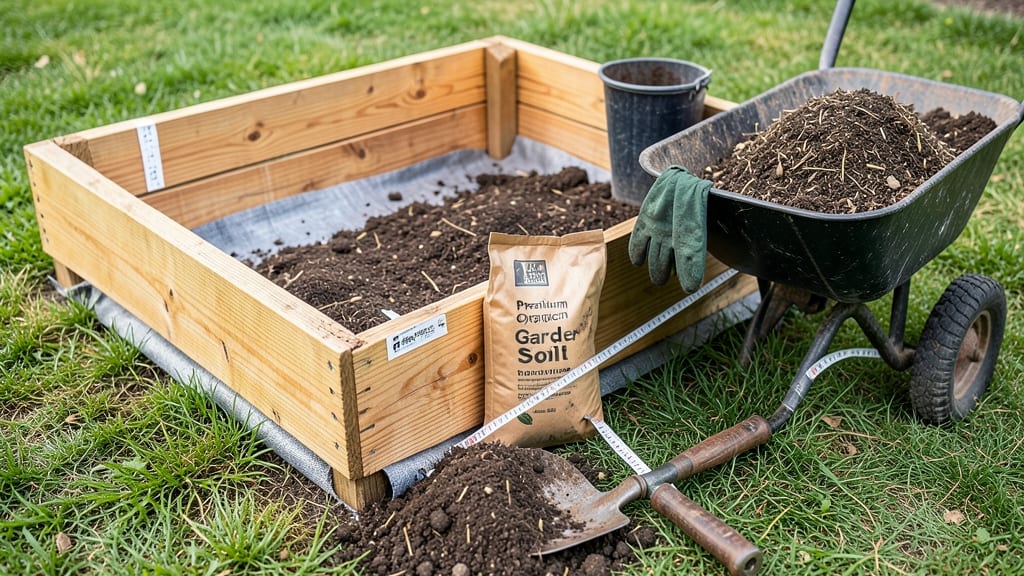
Filling a raised garden bed with the right amount of soil determines whether your plants thrive or struggle 🌱—and the numbers aren’t as simple as you’d think.
Picture this: You’ve spent hours building your perfect raised bed, only to realize halfway through filling it that you’ve either gone too deep (wasting soil and money) or too shallow (stunting root growth). The truth? Most gardeners get this wrong, and the fix is simpler than you’d expect.
In this guide, I’ll break down the exact soil depth you need by plant type—from shallow-rooted herbs to deep vegetables—plus how to calculate the cubic feet of soil required for your bed’s dimensions. No guesswork, just science-backed measurements.
You’ll also discover the three most common mistakes (and how to avoid them), plus tips for blending topsoil, compost, and drainage materials like a pro. Let’s get your raised bed ready for a season of bountiful growth.
Raised garden bed soil depth requirements by plant type
Getting the soil depth right in your raised garden bed is crucial—it determines whether your carrots grow straight or your tomatoes thrive. Most plants need at least 6 inches of soil, but deep-rooted vegetables like asparagus or potatoes demand 12-18 inches.
Shallow-rooted herbs like basil or thyme can thrive in just 4-6 inches, while fruit trees or shrubs require even deeper beds.
Your soil mix should balance topsoil, compost, and organic matter (like perlite or coconut coir) for optimal drainage and nutrients. A common ratio is 1/3 topsoil, 1/3 compost, and 1/3 perlite, but adjust based on your plant types.
For example, heavy clay soil needs more perlite, while sandy soil benefits from extra compost to retain moisture.
Here’s a quick breakdown of root depth requirements by plant category to help you plan your raised bed’s soil fill:
| Plant Type | Root Depth | Soil Depth Needed | Notes |
|---|---|---|---|
| Vegetables (Carrots, Potatoes, Beets) | 12–18 inches | 12–18 inches | Loose, stone-free soil prevents forking. |
| Vegetables (Tomatoes, Peppers, Cucumbers) | 6–12 inches | 10–12 inches | Add compost for nutrient-rich soil. |
| Herbs (Basil, Parsley, Thyme) | 4–6 inches | 6 inches | Well-draining mix prevents root rot. |
| Flowers (Marigolds, Zinnias, Petunias) | 4–8 inches | 6–8 inches | Light, airy soil for delicate roots. |
| Fruit Shrubs (Blueberries, Raspberries) | 12–24 inches | 18–24 inches | Acidic soil (pH 4.5–5.5) for best growth. |
| Fruit Trees (Dwarf Varieties) | 24–36 inches | 30+ inches | Mix in mycorrhizal fungi for root health. |
For mixed raised beds, aim for a minimum of 12 inches to accommodate most vegetables and herbs. If you’re growing deep-rooted plants like asparagus, consider stacking beds or using deeper frames (18+ inches).
Always leave 1–2 inches of space at the top for mulch or watering without overflow.
Pro tip: Layer your soil with coarse materials at the bottom (like wood chips or straw) for drainage, followed by a 6-inch layer of compost-rich topsoil, and top with 2–3 inches of finished compost. This layering technique mimics natural soil strata and improves root penetration.
If your raised bed is less than 6 inches deep, prioritize shallow-rooted plants like lettuce, spinach, or radishes. For deeper beds, you can interplant shallow and deep-rooted crops—place carrots in one corner and basil in another to maximize space. Just avoid competing for nutrients by spacing them properly.
One common mistake is over-filling the bed, which can lead to compacted soil and poor drainage. Use a board or level to ensure even depth, and avoid walking on the soil once planted.
For container-grown plants, like tomato cages or peppers, bury the stem up to half its height to encourage stronger root growth.
Finally, monitor your soil’s moisture and texture over time. If it feels too dense, add organic matter like leaf mold. If it drains too quickly, mix in peat moss or coconut coir.
The right soil depth isn’t just about measurements—it’s about creating a thriving ecosystem for your plants to flourish. 🌱
How to calculate soil volume for your raised bed dimensions
Determining how much soil to fill your raised garden bed is easier than you think—it just takes a few simple measurements and basic math.
Whether you're building a 4x8-foot bed or a cozy 2x4-foot planter, knowing the exact cubic feet of soil needed saves money and ensures your plants thrive from day one. Let’s break it down step by step so you can order the perfect amount of soil mix.
First, grab a tape measure and jot down your bed’s length, width, and height. Most raised beds range from 6 to 12 inches deep, but deeper beds (up to 18 inches) work well for deep-rooted vegetables like tomatoes or carrots.
For herbs and shallow-rooted plants, 6 inches of soil is often sufficient. Once you have these dimensions, we’ll calculate the volume in cubic feet—your new best friend for soil shopping!
- 1 Measure your bed’s length × width × height (in feet). Example: A 4x8-foot bed that’s 1-foot deep = 32 cubic feet.
- 2 Multiply the three numbers: 4 ft × 8 ft × 1 ft = 32 cubic feet. For a 6-inch-deep bed, divide height by 2: 4x8x0.5 = 16 cubic feet.
- 3 Add 10-20% extra for settling. A 32-cubic-foot bed needs 35-38 cubic feet of soil to account for compaction over time.
- 4 Check common bed sizes: A 2x4-foot bed at 12 inches deep needs 8 cubic feet, while a 6x12-foot bed at 18 inches deep requires 108 cubic feet.
Pro tip: If your bed has sloping sides or uneven edges, measure the depth in multiple spots and average the results. For example, if one side is 10 inches and the other is 12 inches, use 11 inches (or 0.92 feet) for your calculation.
This ensures accuracy, especially for DIY beds with varying heights.
Once you’ve calculated your total cubic feet, consider the soil mix you’ll use. A balanced blend of topsoil, compost, and perlite (in equal parts) works for most plants. For example, a 32-cubic-foot bed would need about 10.7 cubic feet of each component.
Pre-mixed raised bed soil is convenient, but custom blends give you control over drainage and nutrient levels.
Don’t forget to account for mulch or landscape fabric if you’re lining your bed. These can reduce the usable soil depth by 1-2 inches, so adjust your measurements accordingly. For instance, if you’re using landscape fabric and plan to mulch, subtract 2 inches from your height before calculating volume.
Now that you’ve mastered the math, you’re ready to order soil or mix your own! Whether you’re filling a small herb garden or a large vegetable plot, precise measurements mean healthier plants and fewer trips to the garden center. Happy digging! 🌱