
Tools
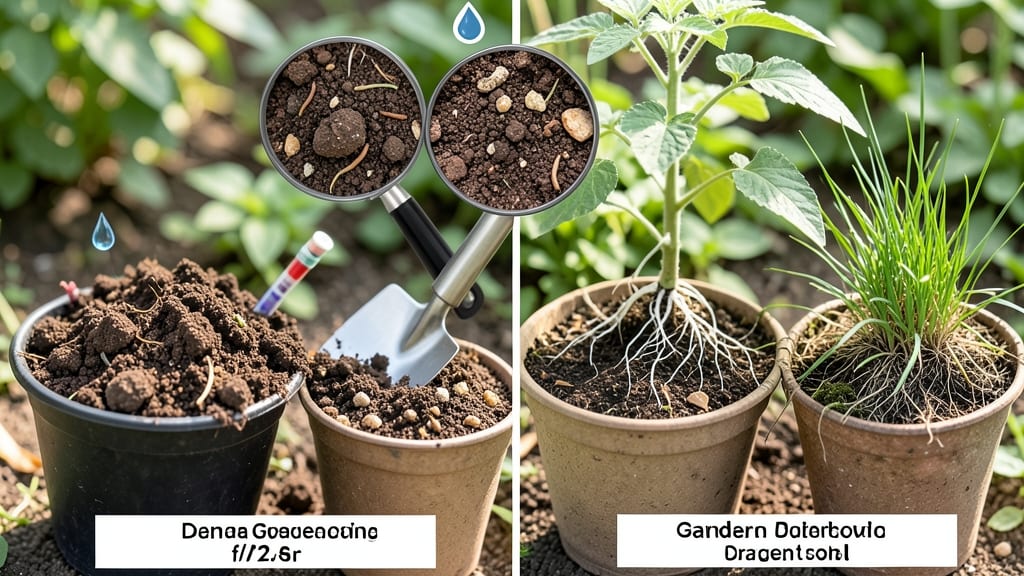
Choosing between topsoil and garden soil can mean the difference between plants that thrive and ones that just survive. 🌱 I’ve filled raised beds with both—topsoil is the heavyweight for leveling and lawns, while garden soil blends nutrients and structure for planting.
The wrong choice leads to compacted roots or nutrient starvation, and I’ve seen both firsthand.
Topsoil is pure mineral base: mostly sand, silt, and clay with minimal organic matter. It’s great for filling low spots or building up garden beds, but plants struggle to establish roots without amendments.
Garden soil, on the other hand, mixes in compost, peat, or aged manure, giving roots the air pockets and nutrients they crave. My tomatoes in garden soil hit 4 feet tall this summer—same variety in topsoil barely cleared 2 feet.
For containers or planting beds, garden soil’s texture lets roots spread easily, while topsoil’s density can suffocate them. If you’re leveling a lawn or patching bare spots, topsoil’s stability wins.
But for anything growing, garden soil’s blend of nutrients and drainage is the secret weapon—just add a handful of compost to topsoil to bridge the gap.
Most gardeners end up using both: topsoil for structure, garden soil for planting. The key is knowing where each excels. Start with garden soil for new beds, then top it off with topsoil if you need height—your plants (and your back) will thank you.
The first product explained
Meet Miracle-Gro Garden Soil—your ultimate partner in nurturing lush, thriving plants! 🌱✨ This premium blend is designed to give your garden the perfect balance of nutrients, moisture retention, and aeration, making it a favorite among both beginners and seasoned gardeners. Whether you're planting flowers, veggies, or shrubs, this soil is engineered to support root growth and improve drainage, so your plants can flourish without stress.
📏 Specs & Features
Here’s what makes Miracle-Gro Garden Soil stand out:
- Composition: A rich mix of composted organic matter, peat moss, and perlite for optimal texture and nutrient delivery.
- Nutrient Boost: Contains controlled-release fertilizer to feed plants for up to 3 months, reducing the need for frequent feeding.
- Moisture Control: Balances water retention and drainage, preventing both soggy roots and drought stress.
- pH Level: Slightly acidic (around 5.5–6.5), ideal for most vegetables, flowers, and herbs.
- Bag Size: Available in 2 cu. ft. and 4 cu. ft. bags, perfect for small gardens, raised beds, or container gardening.
- Organic-Friendly: While not fully organic, it’s free from synthetic chemicals, making it safer for pets and kids.
🎯 Who Is It For?
This soil is a versatile choice for:
- 🌿 Home gardeners looking for an easy, all-purpose soil blend.
- 🥬 Vegetable and herb growers who want consistent nutrition without fuss.
- 🌸 Flower enthusiasts aiming for vibrant blooms with minimal effort.
- 🏡 Container gardeners needing lightweight yet nutrient-dense soil.
- 🔄 Soil improvers amending existing garden beds for better growth.
💰 Price Point & Value
Priced competitively at $6.99–$12.99 per bag, depending on size, Miracle-Gro Garden Soil offers exceptional value. The controlled-release fertilizer alone can save you money on additional plant foods, and its ease of use makes it a cost-effective long-term investment.
For larger projects, the 4 cu. ft. bag provides the best bang for your buck, covering more ground without breaking the bank.
Pro Tip: 💡 Mix this soil with a bit of compost for extra organic matter if you’re planting heavy feeders like tomatoes or peppers!
The second product explained
Meet Miracle-Gro Performance Organics All Purpose In-Ground Soil—your secret weapon for lush, thriving gardens! 🌱✨ This premium blend is designed to bridge the gap between topsoil and garden soil, offering a balanced, nutrient-rich medium that’s perfect for both beginners and seasoned gardeners. Let’s dig into what makes it stand out.
📏 Specs & Features
This 1.5 cubic foot bag (about 40 liters) is packed with 50% composted plant materials, 30% peat moss, and 20% perlite/sand for optimal aeration and moisture retention. Unlike dense topsoil, it’s lightweight yet nutrient-dense, making it ideal for:
- Seedlings & transplants: Gentle enough for delicate roots but rich enough to support growth.
- Vegetable gardens: Balanced nutrients for tomatoes, peppers, and leafy greens.
- Flower beds: Encourages vibrant blooms without overwhelming roots.
- Container gardening: Prevents compaction in pots.
🎯 Who’s It For?
This soil is a game-changer for:
- Urban gardeners with limited space but big dreams.
- Eco-conscious growers who love organic, sustainable blends.
- Plant parents tired of struggling with poor drainage or nutrient-deficient soil.
- DIYers who want a no-fuss, ready-to-use mix.
💰 Price Point & Value
Priced at $12.99 per bag (or ~$8.66 per cubic foot), it’s a steal for the quality and versatility it delivers.
For context, you’d spend $20+ on a comparable bag of premium topsoil—but Miracle-Gro’s blend is lighter, fluffier, and packed with organic matter from the get-go. Pro tip: 💡 Buy a 4-pack for bulk discounts and save ~15%!
🔍 How It Compares
While topsoil is heavy on minerals but lacks organic matter, and generic garden soil can compact over time, this blend strikes the perfect balance. It’s not as dense as topsoil (so roots breathe easier) but far more fertile than store-bought potting mixes.
Think of it as the Swiss Army knife of soil—versatile, reliable, and ready for action!
Head-to-head comparison
Now that you’ve got the basics down, let’s dig into a side-by-side comparison of topsoil and garden soil—because not all dirt is created equal! 🌱 Whether you’re planting a lush garden, nurturing a lawn, or prepping a flower bed, understanding their differences will help you pick the perfect foundation for your green dreams.
Below, we break it down by key factors: performance, features, price, durability, and more—so you can make an informed choice without the guesswork.
🔍 1. Performance: Which Soil Works Harder for Your Plants?
Performance is all about how well each soil type supports root growth, drainage, and nutrient absorption. Here’s how they stack up:
- Topsoil:
- ✅ Ideal for leveling and filling: Packed with organic matter (like decomposed leaves, compost, or peat), topsoil is lightweight and easy to work with—perfect for creating raised beds or filling in low spots.
- ✅ Balanced drainage: While it retains moisture better than pure sand, it still allows excess water to escape, preventing root rot in most plants.
- ✅ Nutrient-rich: Contains essential microbes and nutrients (like nitrogen, phosphorus, and potassium) to kickstart plant growth.
- ⚠️ Limitation: Can compact over time, especially in high-traffic areas (like lawns), which may require aeration.
- Garden Soil:
- ✅ Optimized for planting: A pre-mixed blend of topsoil, compost, and sometimes sand or perlite for improved aeration and drainage.
- ✅ Better for delicate plants: The added compost and organic materials create a looser, fluffier texture, ideal for flowers, vegetables, and shrubs with sensitive roots.
- ✅ Enhanced fertility: Often includes slow-release fertilizers or soil amendments (like worm castings or mycorrhizal fungi) to boost long-term growth.
- ⚠️ Limitation: More expensive than topsoil alone, and may not be as effective for large-scale projects (like filling in a yard).
💡 Pro Tip: If you’re planting bulbs, seedlings, or container gardens, garden soil is your best bet. For lawns, ground leveling, or bulk projects, topsoil is the budget-friendly champ!
🛠️ 2. Features: Texture, Composition, and Special Additives
Not all soil is created equal—here’s what sets them apart under the microscope:
| Feature | Topsoil | Garden Soil |
|---|---|---|
| Texture | Moderately loose but can compact over time; grainy yet crumbly. | Light, airy, and fluffy—almost like a sponge for roots! |
| Organic Matter | 5–10% organic content (varies by source). | 20–40% organic content (compost, peat, or manure). |
| Drainage | Moderate—holds moisture but drains faster than clay. | Excellent—designed to prevent waterlogging. |
| Nutrient Density | Natural nutrients from decomposed material. | Enriched with fertilizers, compost, or soil conditioners for faster growth. |
| pH Level | Varies (often neutral to slightly acidic, 6.0–7.5). | Often balanced or adjusted (e.g., lime added for acid-loving plants). |
| Best For | Lawns, ground leveling, large planting areas. | Vegetable gardens, flower beds, potted plants. |
💰 3. Price: Budget Breakdown for Your Green Thumb
Your wallet will thank you for knowing the cost difference—especially if you’re tackling a big project!
- Topsoil:
- 💵 Cost: $10–$30 per cubic yard (or $0.50–$1.50 per 2-cubic-foot bag).
- 💰 Best for: Large-scale projects (e.g., filling a 10’x10’ area to a depth of 6 inches = ~2.5 cubic yards).
- 🔥 Pro Tip: Buy in bulk to save! Many landscaping suppliers offer discounts for larger orders.
- Garden Soil:
- 💵 Cost: $20–$50 per cubic yard (or $2–$5 per 2-cubic-foot bag).
- 💰 Best for: Smaller, high-value projects (e.g., a 4’x4’ raised bed = ~0.7 cubic yards).
- ✨ Splurge-Worthy: If you’re growing vegetables or flowers, the extra cost pays off in healthier plants!
🎯 Money-Saving Hack: Mix topsoil with compost or aged manure (1/3 topsoil, 2/3 compost) to create a DIY garden soil for half the price!
🏗️ 4. Durability: How Long Will It Last?
Durability isn’t just about how long the soil stays in place—it’s about how well it supports plants over time.
- Topsoil:
- ⏳ Short-term: Great for immediate projects, but nutrients deplete faster if not amended.
- 🌱 Long-term: Can compact or erode in heavy rain or foot traffic. Solution: Add mulch or aerate annually.
- Garden Soil:
- ⏳ Short-term: Ready-to-use with built-in nutrients—plants thrive right out of the bag.
- 🌿 Long-term: Retains fertility longer due to high organic content, but may need top-ups of compost every few years.
💡 Pro Tip: For permanent beds or containers, garden soil’s longevity makes it worth the investment. For temporary fixes or large areas, topsoil is the practical choice.
🌡️ 5. Climate and Region Considerations
Where you live can dramatically
Which one should you choose?
So, you’ve weighed the options—topsoil for that sturdy foundation and garden soil for nutrient-rich plant growth. Which one wins for your project? The answer depends on your goals, budget, and what you’re growing. Here’s your clear-cut verdict to make the final call:
🌱 Choose Topsoil If...
- You’re building a lawn or large garden beds: Topsoil’s density and structure make it ideal for filling in low spots, leveling ground, or creating a solid base for turf. 🏡
- Drainage is your top priority: Its coarse texture prevents waterlogging, perfect for areas with poor drainage or heavy rainfall.
- You’re on a budget: Topsoil is typically cheaper than garden soil, making it a cost-effective choice for bulk projects.
- You’re planting perennials or ground covers: These plants thrive in well-draining, less fertile soil.
🌿 Choose Garden Soil If...
- You’re growing vegetables, flowers, or shrubs: The added compost and nutrients give plants the boost they need to flourish. 🥕🌸
- Your soil is already well-draining: Mixing garden soil on top of existing topsoil creates the perfect nutrient-rich layer for root growth.
- You’re a beginner or prefer low-maintenance gardening: Garden soil’s fertility reduces the need for frequent fertilizing.
- You’re reviving tired or depleted soil: It’s like a vitamin shot for your garden, replenishing essential minerals.
💡 Pro Tip for the Best of Both Worlds
Why not blend them? For optimal results, use topsoil as a base layer (6–12 inches deep) to ensure stability and drainage, then top it with 4–6 inches of garden soil. This combo gives you the structure and the nutrients your plants crave! 🎯
Still unsure? Ask yourself: Are you fixing drainage issues or feeding hungry plants? Your answer will guide you to the perfect soil solution. Happy digging! 🛠️