
How To
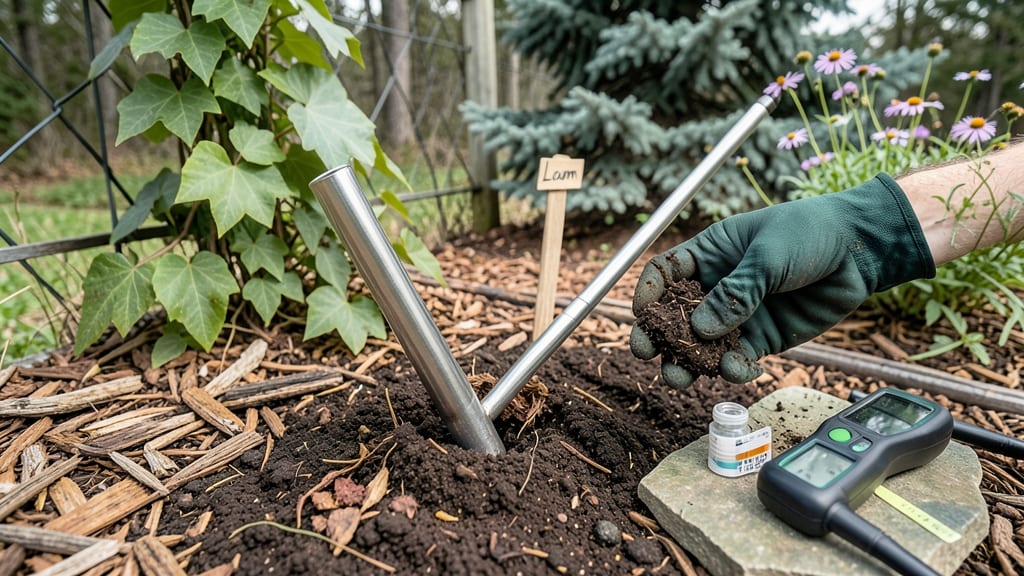
Understanding Virginia’s diverse soil types—from the fertile Piedmont loam to the sandy Coastal Plain and clay-rich Appalachian regions—helps determine which plants will thrive and how to enhance their growing conditions. Soil testing for pH and organic content is essential for proper amendments.
Virginia’s varied geography creates distinct soil profiles that directly impact gardening success.
The Piedmont region boasts deep, fertile loam perfect for vegetables and fruits, while the Coastal Plain’s sandy soils drain quickly but require organic matter to retain moisture. Appalachian slopes often feature heavy clay that benefits from sand and gypsum amendments. 🌱 Each area’s native plants—like blackberries in Piedmont or sea oats in Coastal Plain—have adapted to these conditions, offering clues for successful gardening.
To improve any Virginia soil, start with a simple pH test (aim for 6.0-7.0 for most plants) and amend based on results. Compost builds organic matter universally, while sulfur lowers pH in alkaline soils and lime raises it in acidic areas.
I’ve found that cover crops like clover prevent erosion in sandy soils while adding nitrogen naturally.
💡 In This Article
- Virginia’s 5 Major Soil Types and Their Growing Strengths
- How to Test and Improve Virginia Soil for Gardens
Virginia’s 5 major soil types and their growing strengths
Virginia’s diverse landscapes created five distinct soil types through millions of years of geological activity. The Piedmont region, covering central Virginia, features deep, nutrient-rich loam formed from weathered granite and gneiss.
This soil typically has a pH of 5.0-6.5 and excellent drainage, making it ideal for vegetables like tomatoes and corn. The texture is crumbly yet retains moisture well—perfect for root crops such as carrots and sweet potatoes.
In contrast, the Coastal Plain stretches along the eastern seaboard, where ancient river deposits created sandy, well-drained soils with low organic matter (often 1-2% compared to Piedmont’s 5-8%). These soils have a pH of 5.5-7.0 but require frequent organic amendments like compost to support plants.
Native grasses such as switchgrass thrive here, while gardeners must use raised beds for vegetables to prevent nutrient leaching. The Appalachian Mountains present another challenge with their clay-heavy soils, often compacted and slow-draining, requiring gypsum to break up clay particles and improve aeration.
The Ridge and Valley region offers limestone-derived soils with higher calcium content, creating a near-neutral pH (6.5-7.5) perfect for acid-sensitive plants like blueberries (which prefer pH 4.5-5.5 elsewhere).
Meanwhile, the Tidewater area features marshy, peat-based soils along the Chesapeake Bay, where waterlogged conditions favor wetland plants like cattails but require drainage improvements for traditional gardening. 🌿 These variations explain why Virginia’s native plants—from blackberries in Piedmont to sea oats in Coastal Plain—have evolved unique adaptations to their local soil conditions.
Understanding these regional differences helps gardeners choose appropriate plants and amendments. For example, Piedmont loam benefits from minimal intervention, while Coastal Plain sand needs 2-3 inches of compost annually to retain moisture.
The clay soils of the Appalachians may require sand and organic matter mixed at a 1:1 ratio before planting. Testing soil every 2-3 years reveals how amendments affect pH and nutrient levels over time.
Each soil type also influences water availability differently. The sandy Coastal Plain soils drain water 10-15 times faster than Piedmont loam, requiring drip irrigation systems. Clay-heavy Appalachian soils, meanwhile, can hold 20-30% more water than sandy soils but may develop anaerobic pockets where roots suffocate.
This is why native plants like Virginia creeper thrive in Appalachian forests—their deep roots access moisture while avoiding waterlogged zones.
For gardeners working with these diverse conditions, knowing your soil’s parent material (granite, limestone, or sediment) provides clues about its long-term behavior. Piedmont’s granite-derived soils, for instance, tend to acidify over time due to organic matter decomposition, while limestone areas naturally buffer pH changes.
This geological knowledge helps explain why some Virginia gardens require annual lime applications while others need sulfur for acid-loving plants.