
Propagation
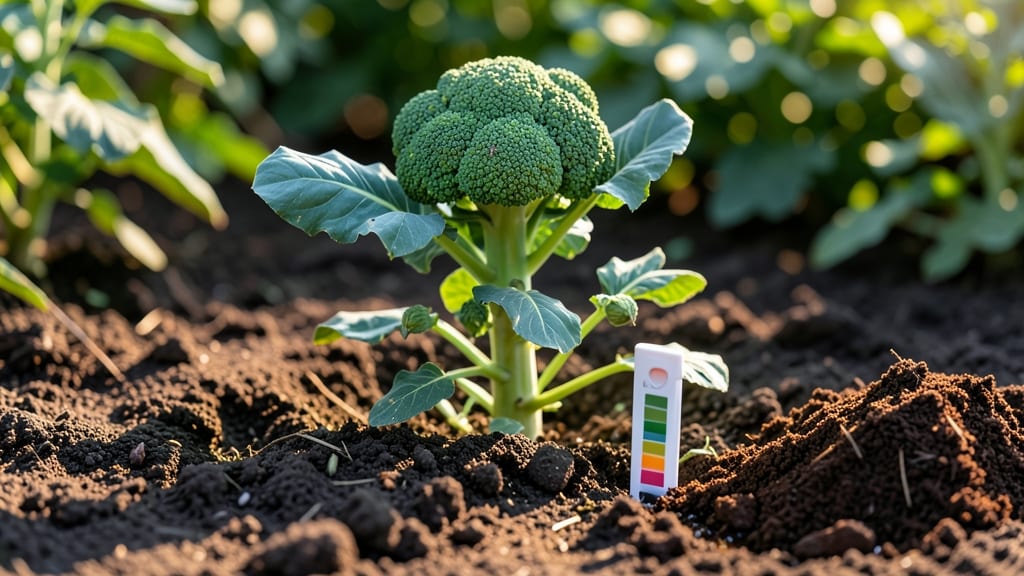
For broccoli, you need soil that drains well and stays rich in nutrients, with a pH between 6.0 and 7.0. A loamy texture mixed with compost or aged manure helps develop strong heads, while heavy clay or sandy soil can limit root growth and nutrient absorption.
Broccoli's soil needs go beyond just pH—they're about creating the right balance for those iconic green heads. 🌱 A slightly acidic to neutral pH (6.0-7.0) ensures your plants can access essential nutrients like calcium and nitrogen, which are critical for head formation.
I've found that adding organic matter like compost not only improves soil structure but also introduces beneficial microbes that help break down nutrients into forms broccoli can use efficiently.
What often gets overlooked is the texture—broccoli roots need room to spread without becoming waterlogged. A mix of loam, compost, and perlite creates that ideal balance, whether you're planting in containers or garden beds.
For container growing, I recommend adding extra perlite to prevent compaction, while in-ground plantings benefit from a 2-3 inch layer of compost worked into the top 6-12 inches of soil.
💡 In This Article
- Broccoli Soil pH Requirements and Nutrient Needs
- DIY Organic Soil Mix for Broccoli: Step-by-Step Guide
Broccoli soil pH requirements and nutrient needs
The ideal pH range of 6.0–7.0 for broccoli isn't just a number—it's a sweet spot where the plant can efficiently access critical nutrients. At this pH, calcium becomes highly available, which is essential for forming those tight, compact heads we love.
Calcium deficiency often shows up as buttoning (small, deformed heads) or hollow stems, while nitrogen—another key nutrient—supports leafy growth and head size. The plant's roots absorb these nutrients most efficiently in this slightly acidic to neutral range, where microbial activity thrives to break down organic matter.
Micronutrients like boron and sulfur play equally important roles. Boron, for example, helps regulate cell division in the growing head, while sulfur contributes to the plant's overall protein synthesis.
A soil test can reveal deficiencies, but you'll often see visual clues: yellowing leaves (nitrogen deficiency), purple stems (phosphorus deficiency), or stunted growth (potassium shortage).
Organic fertilizers like compost or aged manure release nutrients slowly, mimicking natural soil processes, while synthetic fertilizers provide quick fixes but can disrupt microbial balance over time.
What most gardeners miss is how soil texture affects nutrient availability. Heavy clay soils hold nutrients but suffocate roots, while sandy soils drain too quickly, washing away essential minerals. The solution? A loamy mix—about 40% sand, 40% silt, and 20% clay—retains moisture while allowing oxygen to reach roots.
This texture also creates pockets where beneficial microbes can thrive, breaking down organic matter into plant-available forms. Think of it like a sponge that holds water and nutrients just right for broccoli's deep taproot system.
Organic amendments like worm castings or fish emulsion add another layer of complexity. These not only supply nutrients but also improve soil structure and microbial diversity. For instance, worm castings contain enzymes that help solubilize phosphorus, making it more accessible to plants.
Meanwhile, synthetic fertilizers might provide immediate nitrogen boosts but lack the long-term soil health benefits of organic matter. The key is balance—organic matter feeds the soil ecosystem, while targeted fertilizers address specific deficiencies during critical growth stages.
Seasonal variations matter too. In cooler months, broccoli grows slower, requiring less nitrogen but more consistent moisture. During hot spells, the soil's microbial activity ramps up, accelerating nutrient breakdown. This is why a 3-inch layer of mulch helps maintain even soil temperatures and moisture levels, reducing stress on the plants.
The goal is to create a living soil ecosystem where broccoli can focus its energy on head development rather than struggling to access nutrients.
Here's a practical tip: If your soil tests show a pH outside the ideal range, adjust it gradually. For acidic soils, add lime (calcium carbonate) in small amounts, while sulfur lowers pH in alkaline soils. But remember, sudden pH shifts can shock plant roots—always make changes over several weeks.
The best soil for broccoli isn't just about chemistry; it's about creating a thriving underground community that supports every stage of growth.