
How To
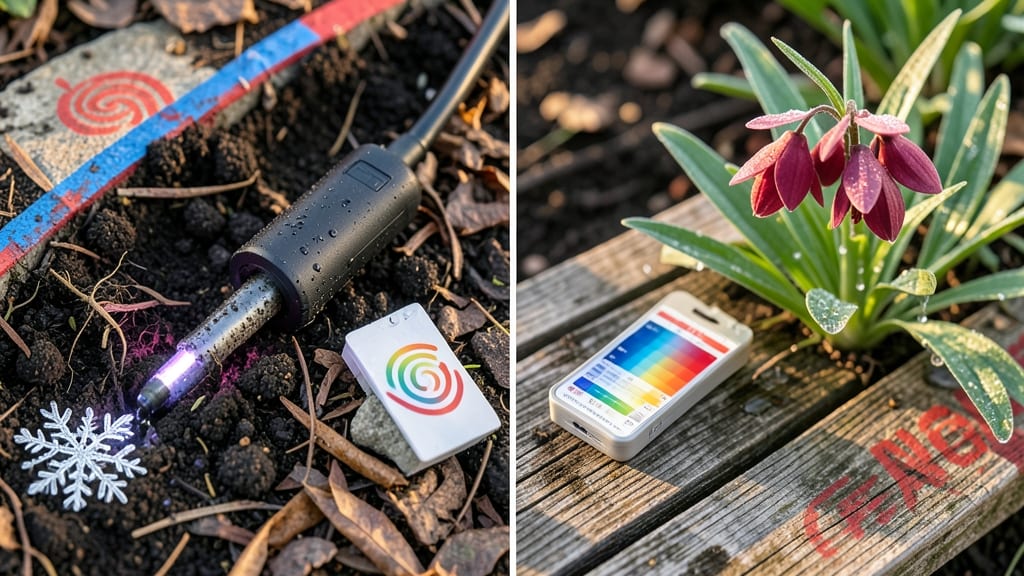
Soil and temperature directly control plant growth by managing how roots absorb nutrients, how microbes break down organic matter, and how efficiently plants convert energy. Too hot or too cold disrupts these processes, slowing germination, weakening root systems, or even killing plants—so finding the right balance is essential for strong, healthy development.
Understanding this connection starts with roots: they need warmth to activate enzymes that pull in water and nutrients, but extreme heat can burn delicate root hairs. 🌱 Microbes in the soil—like bacteria and fungi—thrive in moderate temperatures, breaking down organic matter into plant-available forms.
When soil gets too cold, microbial activity slows, leaving roots starved for food. The same happens in scorching heat, where soil dries out too fast, cutting off oxygen and water supply. For example, cool-season crops like lettuce grow best in 50–70°F soil, while warm-season tomatoes need 70–90°F to thrive.
This balance isn’t just about comfort—it’s about survival. Plants stressed by temperature extremes often show stunted growth, yellowing leaves, or even rot. That’s why gardeners use tools like soil thermometers or mulch to fine-tune conditions.
For instance, black plastic warms soil faster in spring, while row covers protect tender seedlings from late frosts. The key is matching your plants’ needs to their environment, whether you’re planting annuals, perennials, or vegetables.
💡 In This Article
- How Soil Temperature Triggers Root Growth and Nutrient Absorption
- Adjusting Soil and Temperature for Seasonal Planting Success
How soil temperature triggers root growth and nutrient absorption
Soil temperature acts like a thermostat for roots, controlling how quickly enzymes activate to absorb water and nutrients. Below 50°F, most root enzymes become sluggish, slowing growth and nutrient uptake by up to 70%.
This is why cool-season crops like spinach and peas struggle in chilly soils—their roots can't efficiently pull in phosphorus or nitrogen, even if the soil looks fertile.
At the other extreme, temperatures above 90°F denature these enzymes, causing roots to "cook" and release toxic compounds that attract pests like root maggots.
The real magic happens between 60–85°F, where microbial activity peaks. Beneficial bacteria and fungi—like Pseudomonas and mycorrhizae—thrive in this range, breaking down organic matter into forms plants can use.
For example, compost heats up to 140–160°F during decomposition, but only when cooled to 70–80°F do microbes release nutrients like nitrogen and potassium at optimal rates. This is why gardeners often add compost in early spring, when soil warms naturally.
Water availability ties directly to temperature. Warmer soil holds 10–20% less moisture than cooler soil because heat increases evaporation rates. Roots in 85°F+ soil may wilt even if the top layer looks damp—the moisture has evaporated from deeper layers where roots need it.
Conversely, cold soil (40°F) can become waterlogged, cutting off oxygen that roots need to respire. This is why mulching with straw keeps soil temps stable: it reduces evaporation in summer and insulates against frost in winter.
Germination and mature roots have different sweet spots. Seeds need 60–80°F soil to sprout, but once roots establish, many plants—like tomatoes—prefer 80–90°F for vigorous growth. The shift happens because young roots prioritize enzyme activity for nutrient uptake, while mature roots focus on water absorption.
This explains why transplanting seedlings into cold soil often stalls their growth for weeks, even if the air temperature seems ideal.
Oxygen levels in soil drop dramatically when temperatures exceed 85°F, creating anaerobic zones where roots suffocate. You can test this by pressing your finger into warm soil—if it feels gummy, roots are struggling.
Cool-season crops like carrots and beets actually prefer 55–70°F soil because their roots grow deeper to escape heat stress, while shallow-rooted herbs like basil thrive in 75–85°F soil where nutrients concentrate near the surface.
One often-overlooked factor is the rhizosphere—the soil zone directly influenced by roots. Here, microbial populations explode when temps are ideal, creating a "nutrient halo" that fuels growth.
For instance, clover roots release nitrogen-fixing bacteria that thrive at 70–75°F, while legumes like peas benefit from fungal networks that activate at 60–70°F. This microbial dance is why well-managed soil can produce 30–50% more yield than untreated soil, even with identical fertilizer inputs.