
Neem Oil
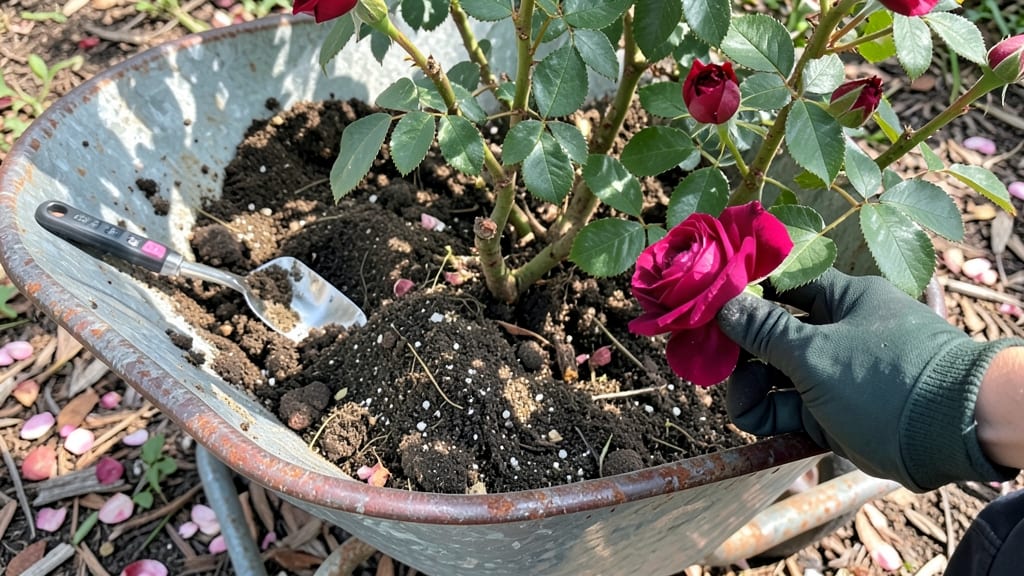
A well-mixed rose soil blend is the foundation for fragrant, repeat-blooming 🌹 roses that thrive year after year.
Picture this: you’ve spent hours pruning, fertilizing, and deadheading, only for your roses to produce sparse, weak blooms—or worse, no flowers at all. The culprit? Soil that’s too alkaline, too dense, or lacking the organic matter roses crave.
A custom-tailored mix with the right pH, drainage, and nutrients can transform your garden overnight.
Roses aren’t picky about soil texture, but they demand an acidic environment (pH 5.5–6.5) to absorb nutrients efficiently. Too much clay? Add perlite. Soil too sandy?
Mix in compost. The key lies in balancing loam, organic matter, and amendments like pine bark or peat moss—without these, your roses will struggle to grow.
In this guide, I’ll walk you through the exact ingredients and ratios for a premium rose soil mix, how to test your current soil, and the 5 mistakes that silently sabotage blooms.
By the end, you’ll know exactly how to create the perfect foundation for roses that burst with color and scent.
The perfect acidic soil mix for roses: key ingredients and ratios
Roses are acid-loving plants that thrive when their soil pH stays between 5.5 and 6.5. This range allows them to absorb essential nutrients like iron, manganese, and phosphorus efficiently.
Without the right acidic soil mix, roses may show yellowing leaves, weak stems, or sparse blooms—even if you’re giving them plenty of water and sunlight. The solution? A custom blend that mimics their natural woodland understory habitat.
Creating the ideal mix starts with understanding the core components that roses crave: organic matter for nutrients, perlite or sand for drainage, and amendments to maintain acidity. My go-to formula combines compost, peat moss, pine bark fines, and perlite in precise ratios.
Each ingredient plays a critical role—peat moss and pine bark fines lower pH naturally, while compost feeds the roots, and perlite prevents compaction.
For in-ground roses, I recommend amending your existing soil with a 50% native soil, 30% compost, and 20% peat moss mix. This balance ensures your roses get the structure they need while maintaining the right acidity.
If you’re planting in containers, use a lighter mix with 40% peat moss, 30% perlite, 20% compost, and 10% pine bark fines to improve aeration and drainage.
If your existing garden soil is too alkaline (pH above 7.0), you’ll need to lower the pH before planting. I’ve found that mixing in elemental sulfur (1 pound per 100 square feet) or pine needles (as mulch) works wonders.
For quick results, use sphagnum peat moss or cottonseed meal, both of which acidify the soil over time. Always test your soil’s pH before and after amending to ensure you’ve hit that 5.5–6.5 range.
For container-grown roses, I swear by a lightweight, airy mix that prevents root rot. My favorite blend includes 40% peat moss (to keep pH low), 30% perlite (for drainage), and 20% compost (for nutrients).
Add 10% pine bark fines to maintain acidity long-term. This mix also works well for potted roses in small spaces, like balconies or patios, where drainage is critical.
One common mistake I see is overloading the mix with compost alone, which can raise pH over time. Always pair compost with acidifying amendments like peat moss or pine bark fines.
Another pitfall is skipping the perlite or sand in heavy clay soils—this leads to waterlogging, which roses hate. If your soil feels dense, add 20–30% perlite or coarse sand to improve aeration.
To keep your rose soil mix performing at its best, top it off with a 2–3 inch layer of mulch every spring. I use pine straw or shredded bark, which slowly releases acidity and retains moisture.
Avoid wood chips from untreated lumber, as they can raise pH over time. Mulching also suppresses weeds and keeps roots cool during hot summers—another win for your roses!
Remember, roses reward
How to test and adjust your soil’s pH for optimal rose growth
Roses are acid-loving plants that thrive when soil pH ranges between 5.5 and 6.5. Testing your soil’s acidity before planting ensures your roses get the nutrients they need to bloom beautifully.
Without the right pH, even the best rose soil mix won’t deliver optimal results. Let’s dive into how to test and adjust your soil for lush, fragrant roses.
Start by collecting soil samples from multiple spots in your garden, especially where you plan to plant roses. Use a clean trowel to gather samples from 3 to 6 inches deep, mixing them in a bucket.
Avoid areas with fresh organic matter, like compost piles, as they can skew results. Once you’ve gathered your samples, let them dry slightly before testing.
⚠️ callout-warning ⚠️
Roses need 5.5–6.5 pH, but drastic changes can harm soil microbes. Adjust pH gradually—aim for no more than 0.5 pH points per season. Test soil again after 3 months to avoid over-amending. Lime raises pH (use sparingly), while sulfur lowers it (apply in fall for spring planting).
For accurate results, use a soil pH test kit from your local garden center. These kits are affordable and easy to use—just follow the instructions to mix soil with distilled water and compare the color to the provided chart.
If you prefer professional analysis, send samples to a local agricultural extension office for precise readings. Labs often provide detailed reports on nutrient levels too.
Once you’ve determined your soil’s pH, it’s time to make adjustments.
If your soil is too alkaline (above 6.5), add elemental sulfur or peat moss to lower the pH. Work 2–3 pounds of sulfur per 100 square feet into the top 6 inches of soil in early fall for spring planting.
For acidic soil (below 5.5), apply pelletized lime at a rate of 50–100 pounds per 1000 square feet, depending on how much you need to raise the pH.
Timing matters! Adjust pH 3–6 months before planting to give amendments time to work. In fall, focus on lowering pH with sulfur, while spring is ideal for raising pH with lime.
Always water thoroughly after applying amendments to help them integrate into the soil. Re-test pH in early spring before planting to ensure your roses start with the perfect growing conditions.
With the right pH, your roses will reward you with vibrant blooms, strong stems, and disease resistance. Keep an eye on your soil’s health year-round, and don’t hesitate to retest and adjust as needed. Happy gardening! 🌹