
How To
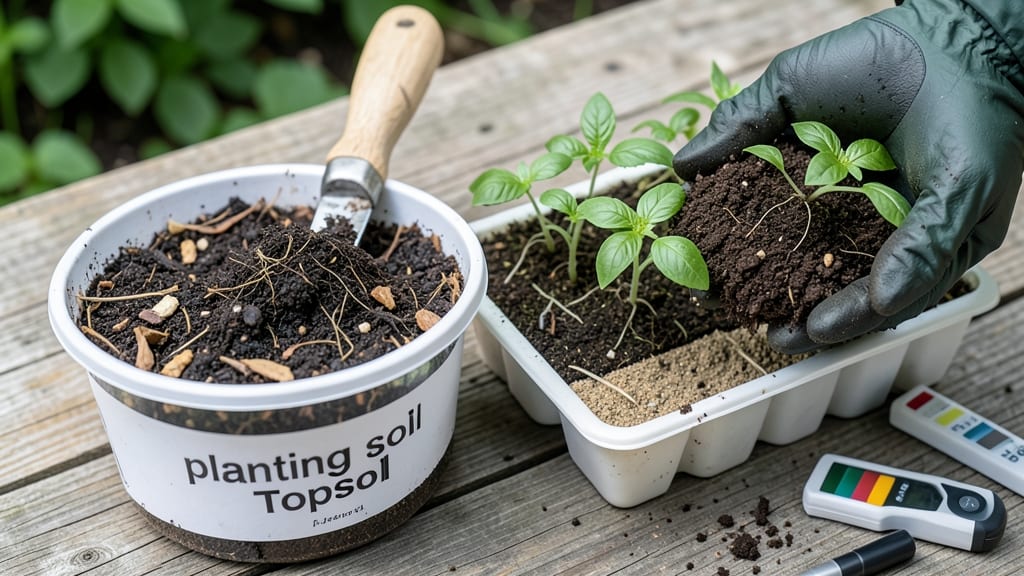
Choosing between planting soil and topsoil can make or break your garden’s success—especially when you’re starting seedlings or planting vegetables. 🌱 I’ve learned the hard way that using the wrong material leads to stunted growth or wasted money, so here’s what you need to know to pick the right one for your plants.
Planting soil is specifically formulated for root development, packed with nutrients and a fine texture that holds moisture without compacting. It’s the go-to for containers, seed starting, and transplanting because it gives young roots the perfect environment to establish themselves quickly.
Think of it as a nutrient-rich cradle for your plants’ early days.
Topsoil, on the other hand, is the raw, natural layer of soil from the earth, often heavier and less refined. It’s great for leveling landscapes, filling large garden beds, or amending existing soil—but it lacks the consistency and nutrients of planting soil.
If you’re planting perennials or shrubs, topsoil can work, but for vegetables or delicate flowers, it might not give them the boost they need.
The key difference comes down to drainage and nutrient density: planting soil is lightweight and fertile, while topsoil is bulkier and less consistent. For best results, mix topsoil with compost when amending garden beds, but always use planting soil for seedlings and potted plants. Your garden will thank you!
The first product explained
Meet Miracle-Gro Performance Organics All Purpose Planting Soil—your go-to companion for lush, vibrant gardens! 🌱✨ This premium planting soil is designed to supercharge your plants from seed to bloom, making it a favorite among both beginner and seasoned gardeners. Whether you're filling raised beds, container gardens, or in-ground plots, this soil delivers the perfect balance of nutrients and organic matter to keep your plants thriving.
📏 Key Specifications
- Type: Organic planting soil blend
- Coverage: 1 cubic foot (12" x 12" x 4") per bag
- Weight: 18 lbs per bag
- Organic Content: 100% organic matter, including composted plant materials
- Nutrients: Enriched with essential micronutrients for robust growth
- pH Level: Balanced for optimal nutrient uptake (ideal for most plants)
- Texture: Lightweight and well-aerated for easy handling and root development
🌟 Standout Features
This planting soil isn’t just dirt—it’s a powerhouse packed with benefits:
- 🌱 Perfect for All Plants: Ideal for vegetables, flowers, herbs, shrubs, and trees. Supports seed starting, transplanting, and established gardens.
- 💧 Moisture-Retentive Yet Well-Draining: Holds moisture without becoming waterlogged, reducing the need for frequent watering.
- 🔄 Slow-Release Nutrients: Feeds plants steadily over time, promoting steady growth and reducing the need for frequent fertilizing.
- 🌿 100% Organic and Renewable: Made from sustainable sources, including composted plant materials and natural amendments.
- 🛡️ Pest and Disease Resistant: Healthy soil equals healthier plants, naturally deterring common garden pests.
🎯 Who Is This For?
This planting soil is a versatile choice for:
- 🌱 Home gardeners looking to boost their yard or patio garden
- 🏡 Urban farmers and container gardeners with limited space
- 🌻 Organic gardeners committed to chemical-free growing
- 🌿 DIY landscapers filling raised beds or new garden plots
- 👩🌾 Educators and kids learning about gardening (safe and easy to use!)
💰 Price Point and Value
Priced competitively at $12.97 per 18 lb bag (as of latest market data), this planting soil offers exceptional value for its quality and performance. While it may be slightly more expensive than basic topsoil, the long-term benefits—like healthier plants, reduced watering needs, and fewer fertilizers—make it a smart investment.
Bulk discounts are often available for larger purchases, making it even more budget-friendly for serious gardeners.
💡 Pro Tip: For best results, mix this planting soil with a portion of native topsoil (if available) to improve drainage and adapt to your local climate. Happy planting! 🌿
The second product explained
Meet Miracle-Gro Performance Organics All Purpose Raised Bed Soil—your secret weapon for lush, high-yield gardens! 🌱✨ This premium planting soil is designed to outperform standard topsoil, giving your plants the nutrient-rich foundation they crave. Whether you're a seasoned gardener or just starting, this product is packed with organic matter and essential nutrients to supercharge growth.
Key Specs & Features
Don’t let the name fool you—this isn’t just any old soil! Here’s what makes it stand out:
- 100% organic blend: No synthetic chemicals, just natural ingredients like composted plant matter, earthworm castings, and beneficial microbes.
- Perfect for raised beds & containers: Lightweight yet nutrient-dense, ideal for spaces where topsoil won’t suffice.
- Slow-release nutrients: Feeds plants for up to 3 months, reducing the need for frequent fertilizing.
- Moisture-retentive: Holds water efficiently, so you spend less time watering and more time admiring your thriving plants.
- pH-balanced: Ready-to-use at 6.0–7.5, perfect for most vegetables, flowers, and herbs.
- Bag size: Available in 2 cu. ft. and 8 cu. ft. options for small pots or large raised beds.
Who’s It For?
This soil is a game-changer for:
- 🌿 Urban gardeners with limited space (containers, balconies, or small yards).
- 🥬 Vegetable & herb growers who want bountiful harvests without guesswork.
- 🌸 Flower enthusiasts looking for vibrant blooms with minimal effort.
- 🛠️ DIYers & homesteaders building raised beds or repairing depleted garden soil.
- 🌱 Eco-conscious gardeners who prefer chemical-free, sustainable solutions.
Price Point & Value
At $12.97 for the 2 cu. ft. bag and $39.97 for the 8 cu. ft. bag, this soil delivers serious value. While it’s an investment upfront, the long-term benefits—like faster growth, fewer pests, and higher yields—make it a steal.
Plus, one bag of the 8 cu. ft. size can fill a 4’x8’ raised bed to a depth of 6 inches, saving you money on multiple purchases.
Pro tip: 💡 Mix this soil with compost or worm castings for an extra nutrient boost in large planting areas!
Head-to-head comparison
Ready to dig into the details? Let’s break down the key differences between planting soil and topsoil in a side-by-side comparison so you can pick the perfect match for your garden.
Whether you're a seasoned green thumb or just starting your gardening journey, understanding these nuances will help you make an informed choice. 🌱✨
📊 Performance: Which One Helps Plants Thrive?
Performance is where the two really start to diverge. Planting soil is designed with plant growth in mind—it’s packed with nutrients, organic matter, and amendments like compost or fertilizer to give your plants a strong start.
Think of it as a premium blend for your garden, ideal for planting seeds, seedlings, or mature plants where you want rapid and healthy growth.
On the other hand, topsoil is more of a foundation layer. It’s less refined and primarily used to level out uneven ground or create a base for planting soil. While it does contain some organic material, it’s not as rich or balanced as planting soil.
If you’re laying down a new garden bed or filling in a hole, topsoil gets the job done—but don’t expect it to nourish your plants on its own.
| Category | Planting Soil | Topsoil |
|---|---|---|
| Nutrient Level | ⭐⭐⭐⭐⭐ (High, often enriched with compost/fertilizer) | ⭐⭐⭐ (Moderate, natural but less consistent) |
| Drainage | Optimized (balanced for most plants) | Varies (can be heavy or sandy depending on source) |
| Ideal Use | Direct planting (seeds, seedlings, transplants) | Base layer, leveling, or mixing with planting soil |
🎯 Features: What’s Inside the Bag?
When it comes to composition, planting soil and topsoil couldn’t be more different. Here’s what you’re getting with each:
- Planting Soil:
- 🌿 Organic Matter: Often includes compost, peat moss, or coconut coir for moisture retention.
- 🧪 Amendments: May contain slow-release fertilizers, perlite, or vermiculite for better aeration.
- 🔄 pH-Balanced: Typically adjusted to be neutral or slightly acidic, depending on the plants you’re growing.
- Topsoil:
- 🪨 Natural Composition: Mostly mineral-based with some organic material (like decomposed leaves or grass clippings).
- 💧 Moisture Retention: Can be clumpy or sandy, depending on the source (e.g., clay-heavy or loamy).
- 🔍 Unrefined: No added nutrients or amendments—just raw, natural soil.
Pro Tip: 💡 If you’re using topsoil for planting, mix it half-and-half with planting soil or compost to boost its nutrient profile!
💰 Price: What’s Your Budget?
Your wallet will notice the difference between these two. Planting soil is the premium option, and the price reflects that. A typical 40-pound bag can range from $3 to $8, depending on the brand and added amendments.
If you’re buying in bulk (like a cubic yard), expect to pay $20 to $50.
Topsoil, on the other hand, is usually more affordable. Prices for a cubic yard hover around $10 to $30, making it a budget-friendly choice for large projects like raising garden beds or filling in low spots. For smaller bags (like 40 pounds), you might pay $1 to $3.
💡 Cost-Saving Tip: If you’re on a tight budget, consider screening your own topsoil from your yard or mixing it with compost to create a DIY planting blend!
🏗️ Durability: How Long Will It Last?
Durability depends on how you plan to use each type of soil. Planting soil is designed for immediate use—once you plant in it, its nutrients will gradually deplete over time (usually 1-2 growing seasons, depending on plant type). After that, you’ll need to replenish with compost or fertilizer.
Topsoil, however, is more long-lasting as a structural material. It won’t break down or lose its form quickly, making it great for permanent garden beds or landscaping projects. That said, its nutrient content won’t improve over time—it stays as-is unless you amend it.
🔥 Hot Tip: For long-term gardens, layer topsoil at the bottom and top it with planting soil or compost to create a nutrient-rich zone for roots!
🌱 Best Uses: When to Choose Each
Not sure which one to pick for your project? Here’s a quick guide:
- Use Planting Soil When:
- 🌱 Planting seeds, seedlings, or transplants.
- 🍅 Growing vegetables, flowers, or herbs in containers or in-ground.
- 🔄 Revitalizing an existing garden bed with fresh nutrients.
- Use Topsoil When:
- 🏗️ Leveling uneven ground or filling in holes.
- 🌿 Creating a base layer for a new garden bed (then top with planting soil).
- 💰 You need an affordable solution for large areas.
✨ Bonus Tip: For container gardening, planting soil is a no-brainer—it’s lighter, more nutrient-dense, and prevents compaction!
Which one should you choose?
So, you’ve weighed the pros and cons, compared the textures, nutrients, and costs—and now you’re ready to make a decision. Here’s the final verdict to help you choose the best soil for your garden, based on your unique needs:
🌱 For Beginners or Small Gardens
If you’re just starting out or working with a small space, topsoil is your best bet. It’s affordable, easy to find, and versatile enough for most basic planting needs—like lawns, ground covers, or hearty vegetables.
Just remember to amend it with compost or fertilizer to give your plants the extra boost they need!
🌿 For Serious Gardeners or Vegetable Beds
If you’re growing delicate plants, herbs, or vegetables (or just want the best results), planting soil is the winner. Its balanced nutrients, improved drainage, and lighter texture create the ideal environment for roots to thrive. It’s worth the investment if you’re committed to a lush, productive garden.
💰 For Budget-Conscious Projects
Topsoil is the clear choice here—it’s significantly cheaper and can stretch further for large areas like landscaping or filling in low spots. Just be prepared to supplement it with organic matter to maximize its potential.
🔄 For Long-Term Soil Health
If you’re thinking about the future of your garden, consider mixing both! Use topsoil as a base for bulk and structure, then top it with a layer of planting soil (or blend them yourself). This combo gives you the best of both worlds: affordability and nutrient-rich growing conditions.
💡 Pro Tip: Always test your soil first! A simple pH test (available at garden centers) can reveal if your soil is too acidic or alkaline. If it is, choose a soil type that will help balance it out—like adding lime to acidic topsoil or sulfur to alkaline planting soil.
No matter which you pick, happy planting! Your garden will thank you with vibrant blooms, bountiful harvests, and years of healthy growth.