
How To
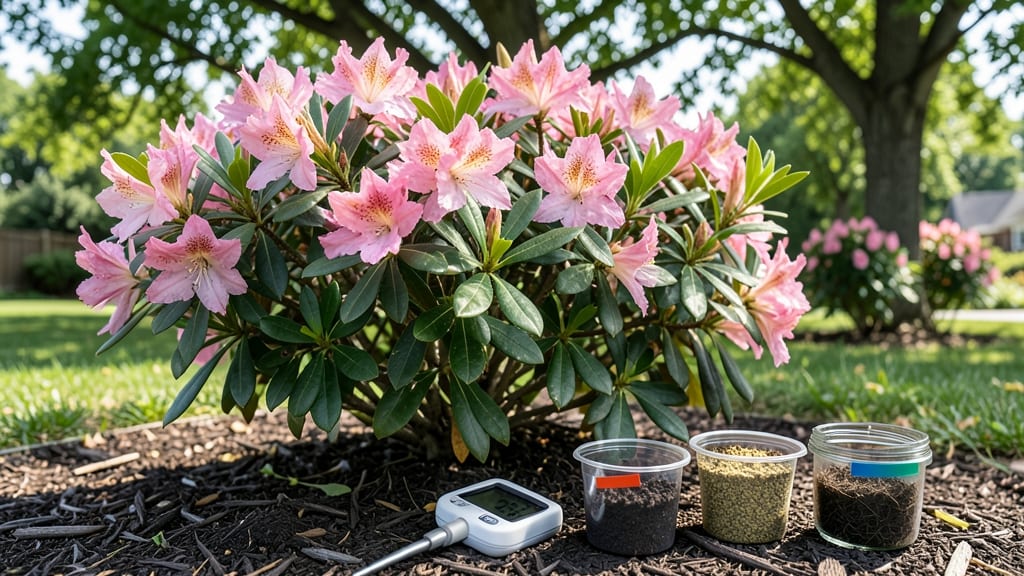
Is a clay soil acidic or alkaline? Clay soil is typically alkaline, with a pH range of 6.6 to 8.5, though it can shift toward acidity if organic matter decomposes without proper drainage. This dense soil type holds onto nutrients but may struggle to maintain balance over time.
Clay soil's alkaline nature comes from its mineral composition, particularly calcium carbonate, which naturally raises pH levels. 🔥 The dense particles also slow water drainage, creating pockets where organic matter can break down unevenly—sometimes lowering pH unexpectedly.
For gardeners, this means testing soil regularly and amending with compost or sulfur when needed to keep plants like hydrangeas or blueberries thriving.
This soil type's unique chemistry affects nutrient availability too. Phosphorus becomes less accessible in highly alkaline conditions, while iron and manganese may become locked away. Understanding these patterns helps you choose the right amendments—like gypsum for calcium or peat moss for acidity adjustments—to create an optimal growing environment.
💡 In This Article
- How Clay Soil pH Affects Nutrient Availability
- Best Plants for Alkaline Clay Soil Environments
How clay soil pH affects nutrient availability
Clay soil's alkaline nature stems from its high mineral content, particularly calcium carbonate (CaCO₃), which naturally raises pH levels between 7.0 and 8.5. The dense structure of clay particles creates tiny air pockets that slow water drainage, trapping dissolved minerals like magnesium and potassium.
This mineral buildup occurs because clay's fine particles (less than 0.002 millimeters) have a massive surface area—up to 1,000 square meters per gram—that attracts and holds onto cations (positively charged ions) like a magnet.
When organic matter decomposes in clay soil, it can temporarily acidify localized areas (pH dropping to 6.0 or lower) due to the release of organic acids like humic and fulvic acids. However, the dense structure prevents these acids from spreading evenly, creating a patchwork of pH levels.
For example, a garden bed might have a pH of 7.8 at the surface but 6.5 just 6 inches down. This uneven distribution affects nutrient availability—phosphorus becomes less accessible in highly alkaline zones, while iron and manganese may become locked away in oxidized forms that plants can't absorb.
The water retention capacity of clay soil (up to 40-50% by volume) also plays a role. Poor drainage creates anaerobic pockets where microbial activity slows, reducing the breakdown of organic matter into plant-available nutrients.
In these conditions, nitrogen often becomes tied up in microbial biomass rather than being released as nitrate (NO₃⁻), which plants can uptake. 🌱 This is why clay soil gardens sometimes show signs of nitrogen deficiency despite having ample organic matter—it's not being converted efficiently.
Consider the case of phosphorus: in alkaline clay soil (pH 7.5+), phosphorus binds tightly to iron and aluminum oxides, forming insoluble compounds that plants can't access. A soil test might show high phosphorus levels, but plants struggle to utilize it.
This is why gardeners often need to add phosphorus in forms like bone meal or rock phosphate that can bypass these chemical locks. The same principle applies to micronutrients like zinc and copper, which become less available as pH rises above 7.0.
Interestingly, clay soil's ability to buffer pH changes makes it more stable than sandy soils, which can swing dramatically with amendments. However, this buffering effect works both ways—adding sulfur to lower pH requires significantly more than in sandy soil.
For instance, you might need 10-20 pounds of elemental sulfur per 100 square feet to shift clay soil from pH 8.0 to 6.5, compared to just 2-5 pounds in sandy soil for the same change.
Understanding these chemical dynamics helps explain why some plants thrive while others struggle. For example, blueberries require acidic soil (pH 4.5-5.5) and would fail miserably in unamended clay soil, while roses (which prefer pH 6.0-7.0) might show stunted growth due to phosphorus and iron deficiencies.
The key is recognizing how clay soil's mineral composition and water retention create these nutrient availability challenges.