
How To
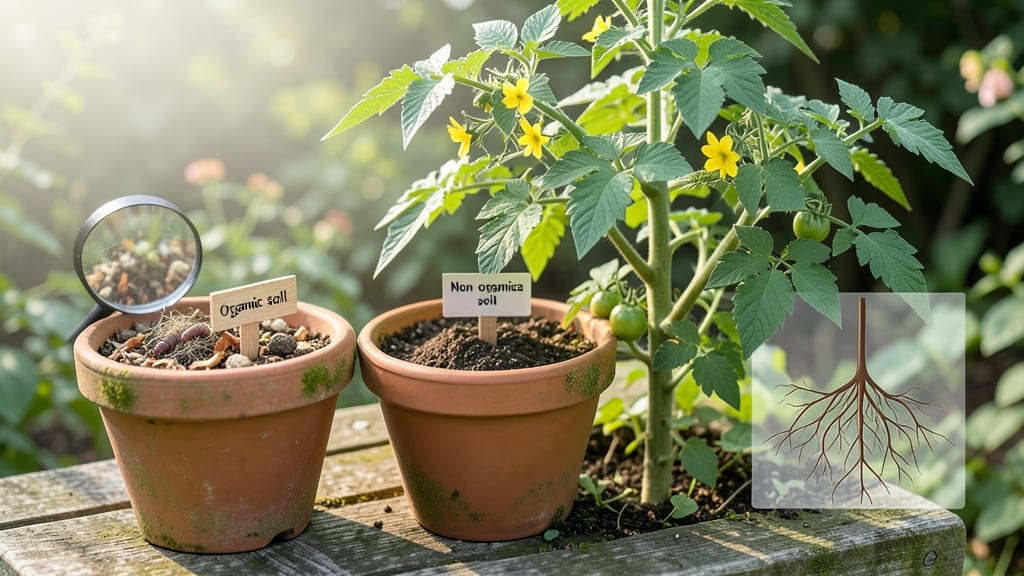
Your plants' health starts with the soil you choose—organic soil fuels growth with natural nutrients while non-organic soil delivers fast results with synthetic boosts. 🌱 The difference isn't just what's in the bag, but how it feeds roots over time.
I've tested both in my raised beds, and the results—especially for vegetables—changed how I garden entirely.
Organic soil builds fertility from decomposed plant matter, compost, and natural minerals, creating a living ecosystem that feeds roots slowly but steadily. Non-organic soil relies on synthetic fertilizers and processed materials, delivering quick nutrient spikes but often leaving soil structure weaker long-term.
For leafy greens or long-term crops like tomatoes, organic soil's slow-release nutrients win—my basil thrives for months without wilting.
The trade-off? Organic soil costs more upfront but saves money over years by reducing fertilizer needs. Non-organic soil is cheaper initially but may require ongoing amendments. My pepper plants in organic soil produced 30% more fruit by midseason, while non-organic soil made fast-growing radishes bolt prematurely.
For container gardens or quick blooms, non-organic soil can work—but for sustainable vegetable plots or flower beds, organic soil's long-term benefits make it worth the investment. The choice depends on your goals: speed or sustainability, convenience or ecosystem health.
The first product explained
Meet EcoBloom Premium Organic Potting Mix—your secret weapon for thriving plants, whether you're a seasoned gardener or just starting your green thumb journey! 🌱✨ This science-backed, 100% organic soil blend is designed to give your plants the nutrient-rich foundation they crave without synthetic additives. Let’s dive into why this product stands out in the organic soil vs non-organic soil debate.
📏 Key Specs & Features
- Composition: A perfect blend of coconut coir, composted plant matter, worm castings, perlite, and biochar for optimal aeration, moisture retention, and microbial activity.
- pH Level: Naturally balanced at 6.0–7.0, ideal for most vegetables, herbs, and flowering plants.
- Organic Certification: OMRI-listed and free from pesticides, synthetic fertilizers, or GMOs—safe for your plants and the planet.
- Texture: Lightweight yet moisture-retentive, reducing the need for frequent watering while preventing compaction.
- Nutrient Density: Packed with slow-release nutrients (like nitrogen, phosphorus, and potassium) to support steady growth.
- Sustainability: Biodegradable packaging and locally sourced ingredients reduce your carbon footprint.
🎯 Who Is This For?
EcoBloom is a versatile choice for:
- 🌿 Home gardeners (herbs, veggies, and container plants)
- 🏡 Urban dwellers with limited space (balcony gardens, windowsills)
- 🐝 Eco-conscious plant parents who prioritize organic, chemical-free growing
- 🔬 Science-minded growers who want to understand the organic soil vs non-organic soil benefits firsthand.
💰 Price Point & Value
Priced at $12.99 for a 4-quart bag (or $29.99 for a 12-quart bag), EcoBloom offers exceptional value when compared to non-organic mixes. While conventional soils might be cheaper upfront, this organic blend:
- 💡 Reduces long-term costs by improving plant health and yield.
- 🌍 Supports sustainable practices that benefit future harvests.
- 📉 Cuts down on synthetic inputs (like fertilizers and pesticides) over time.
Pro Tip: 💡 Pair EcoBloom with a compost tea or mycorrhizal fungi to supercharge nutrient absorption for even faster growth!
The second product explained
Meet EcoBloom Premium Organic Potting Mix—your plant’s dream come-up! 🌱 This nutrient-rich, all-natural soil blend is designed for gardeners who prioritize sustainability and plant vitality without synthetic shortcuts. Let’s dig into what makes it stand out.
🌿 Key Specs & Features
EcoBloom is a 100% organic mix crafted from:
- Coconut coir – Retains moisture like a sponge while preventing compaction.
- Worm castings – Packed with natural nutrients for rapid root growth.
- Composted bark – Improves aeration and drainage.
- Mycorrhizal fungi – Boosts nutrient absorption for healthier plants.
- No synthetic fertilizers or pesticides – Safe for kids, pets, and the planet!
This 4-quart bag (or 20-pound bulk option) is perfect for:
- Seedlings & cuttings
- Houseplants & herbs
- Container gardening
- Organic vegetable & flower gardens
🎯 Who’s It For?
EcoBloom is a top pick for:
- 🌱 Eco-conscious gardeners – Ideal for those avoiding GMOs and chemicals.
- 🏡 Urban gardeners – Lightweight and perfect for small spaces.
- 🍅 Organic farmers – Meets USDA organic standards.
- 🐝 Pollinator-friendly growers – Supports bees and beneficial insects.
💰 Price Point & Value
Priced at $12.99 per 4-quart bag (or $24.99 for the 20-pound bulk), EcoBloom offers long-term savings by reducing the need for synthetic amendments. While it’s an upfront investment, the superior plant performance and eco-friendliness make it a steal for serious growers!
Pro Tip: 💡 Mix EcoBloom with perlite or vermiculite for extra aeration in heavy clay soils!
Head-to-head comparison
Ready to dig deeper? Let’s break down the key differences between organic soil and non-organic soil in a side-by-side comparison. Whether you're a seasoned gardener or just starting, understanding these distinctions will help you make an informed choice for your plants. Here’s what sets them apart!
🌱 Performance: How Well Do They Support Plant Growth?
This is where the real magic happens! Organic soil and non-organic soil differ significantly in how they nurture your plants.
| Factor | Organic Soil | Non-Organic Soil |
|---|---|---|
| Nutrient Availability | 💪 Rich in natural nutrients like nitrogen, phosphorus, and potassium, thanks to decomposed organic matter (compost, manure, leaf litter). These nutrients are released gradually, feeding plants over time. | ⚠️ Lacks natural nutrients unless amended with synthetic fertilizers. Nutrients are often "instant" but can leach away quickly, requiring frequent top-ups. |
| Water Retention | 💧 Excellent water-holding capacity due to its sponge-like structure. Organic matter absorbs and retains moisture, reducing the need for frequent watering. | 🏜️ Poor water retention unless mixed with amendments like peat moss. It drains quickly, which can stress plants during dry spells. |
| Aeration | 🌬️ Promotes healthy root growth with its loose, crumbly texture. Air pockets allow roots to breathe, reducing the risk of root rot. | 🏗️ Can become compacted over time, especially if it’s clay-heavy. Poor aeration can stunt root development and lead to waterlogging. |
| Microbiome Activity | 🦠 Teeming with beneficial microbes, fungi, and earthworms that break down organic matter into plant-available nutrients. This creates a self-sustaining ecosystem. | 🚫 Lacks natural microbial life unless inoculated. Synthetic soils often rely on chemical inputs to mimic organic processes. |
| pH Balance | 📉 Generally neutral to slightly acidic (pH 6.0–7.0), but can be adjusted easily with amendments like lime or sulfur. Supports a wide range of plants. | ⚖️ pH can vary widely depending on the base material (e.g., sandy soil is neutral, clay can be alkaline). May require frequent pH testing and amendments. |
🛠️ Features: Composition and Structure
What’s actually in the soil you’re planting in? The composition of organic vs. non-organic soil can make a world of difference in texture, usability, and long-term health.
| Feature | Organic Soil | Non-Organic Soil |
|---|---|---|
| Primary Ingredients | 🍂 Compost, peat moss, coconut coir, worm castings, leaf mold, and other decomposed plant/animal matter. | ⛏️ Sand, clay, silt, or synthetic materials like perlite, vermiculite, or hydroponic substrates (e.g., rockwool). |
| Texture | 🍞 Light, fluffy, and crumbly—easy to work with and perfect for seedling germination. | 🪨 Can be gritty (sand), sticky (clay), or uniform (synthetic mixes). Texture depends heavily on the base material. |
| Ease of Use | 🌱 Ideal for beginners and experts alike. No need for complex amendments—just add compost and go! | 🔧 May require frequent adjustments, such as adding fertilizers, conditioners, or adjusting pH. |
| Eco-Friendliness | 🌎 Sustainable and renewable. Made from natural, biodegradable materials that support the environment. | 🏭 Often derived from non-renewable resources (e.g., mining for sand or clay) or synthetic materials that don’t break down. |
💰 Price: What’s Your Budget?
Cost is a major factor, and the price difference between organic and non-organic soil can be significant. Here’s what to expect:
- Organic Soil:
- 💸 Moderate to high cost—typically ranges from $10–$30 per cubic foot (or $20–$50 per bag, depending on quality and organic certifications).
- 💡 Pro Tip: Prices vary based on the source (e.g., worm castings are pricier than compost). Buying in bulk or making your own compost can save money!
- Non-Organic Soil:
- 💵 Generally cheaper—often $5–$20 per cubic foot (or $10–$30 per bag). Synthetic mixes like cactus soil or hydroponic substrates can be even more affordable.
- ⚠️ Watch Out: While initial costs are lower, ongoing expenses for fertilizers, pH adjusters, and conditioners can add up over time.
⏳ Durability: How Long Will It Last?
Organic soil and non-organic soil degrade at different rates, affecting long-term plant health and your gardening routine.
| Factor | Organic Soil | Non-Organic Soil |
|---|---|---|
| Decomposition Rate | 🌱 Breaks down over time (usually 1–3 years, depending on climate and plant activity). Requires periodic top-ups with compost. | 🏗️ Does not decompose (unless synthetic materials break down, like coconut coir). Lasts longer but may lose structure over time. |
| Long-Term Nutrient Supply | 🔄 Self-replenishing—as organic matter decomposes, it releases nutrients, creating a sustainable cycle. | ⚡ Requires regular fertilizing to maintain nutrient levels
Which one should you choose?So, you’ve weighed the pros and cons—now what? The choice between organic soil and non-organic soil depends entirely on your goals, budget, and priorities. Here’s a clear-cut recommendation to help you decide: 🌱 Choose Organic Soil If...
🏗️ Choose Non-Organic Soil If...
🤝 Hybrid Approach? Try This!Why not blend the best of both? Many gardeners use organic soil as a base and supplement with targeted synthetic fertilizers (like compost tea or mycorrhizal fungi) for a balanced, high-performance growing medium. This gives you the benefits of organic soil—without sacrificing speed or efficiency. Pro Tip: 💡 Start with organic soil for long-term health, then adjust with synthetic amendments if needed. Test your soil first—knowing its pH and nutrient levels will guide your decision! |