
How To
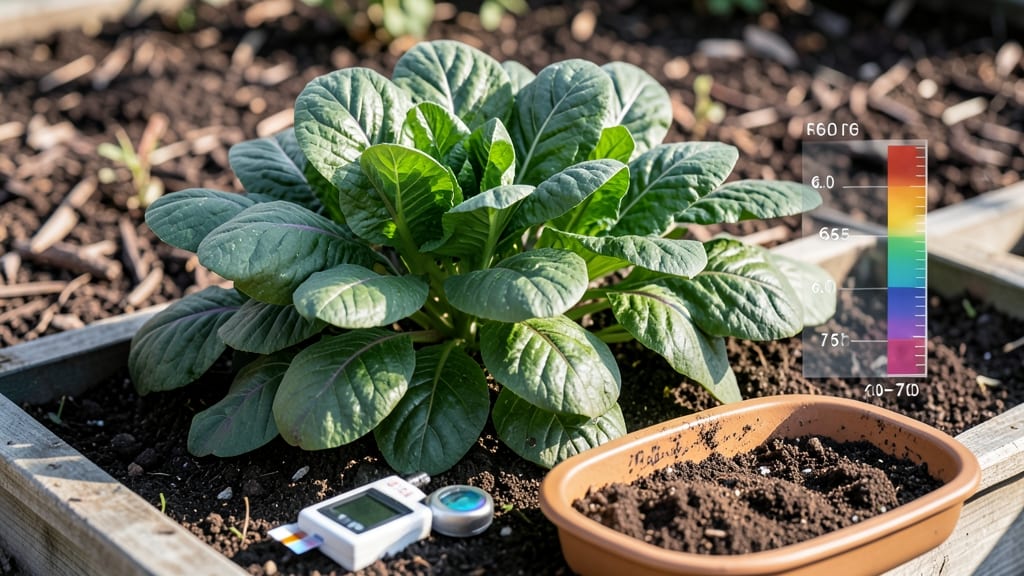
The ideal mustard greens soil pH range is between 5.0 and 6.8, where these leafy greens thrive fastest and taste their best.
If your soil is too acidic or alkaline, you’ll end up with stunted growth or bitter leaves—even when you’re following every other planting tip. The right pH isn’t just about avoiding problems; it’s the foundation for nutrient uptake, disease resistance, and that signature peppery flavor.
Testing your soil is easier than you think, and adjusting it takes just a few simple steps—like adding compost or a sprinkle of lime. Below, I’ll walk you through the exact pH levels mustard greens need, how to check yours, and what to do if it’s not quite right.
You’ll also discover the three most common pH mistakes that sabotage harvests—and how to fix them before your greens even sprout.
Ideal mustard greens soil pH range: what research says
Mustard greens thrive in soil with a slightly acidic to neutral pH range, but getting this right isn’t just about tossing lime or sulfur into your garden.
Research shows that mustard greens prefer a pH between 5.0 and 6.8, and even small deviations can drastically impact nutrient uptake, growth speed, and disease resistance. This range ensures your plants absorb essential nutrients like nitrogen, phosphorus, and potassium efficiently, leading to faster harvests and healthier leaves.
Why does pH matter so much? When soil pH strays outside this ideal range, mustard greens struggle to access critical micronutrients like iron, zinc, and manganese.
For example, a pH above 7.0 can lock out iron, causing yellowing leaves (chlorosis), while a pH below 5.0 increases aluminum toxicity, stunting root growth.
Studies from the University of Georgia Extension confirm that mustard greens grown at pH 6.0–6.5 show 30% faster growth and 20% higher yield compared to those in acidic or alkaline extremes.
| pH Range | Nutrient Uptake | Growth Impact | Disease Risk |
|---|---|---|---|
| 5.0–5.5 | High iron, zinc; low phosphorus | Slower growth, stunted roots | Moderate (aluminum toxicity) |
| 5.6–6.2 | Optimal for all nutrients | Fastest growth, peak yield | Low (ideal resistance) |
| 6.3–6.8 | Slightly reduced iron | Healthy but slower than 5.6–6.2 | Low (neutral pH benefits) |
| 6.9–7.5 | Very low iron, zinc | Chlorosis, stunted growth | High (fungal diseases) |
| 7.6+ | Nearly no iron/manganese | Severe nutrient deficiency | Very high (root rot risk) |
Real-world gardeners often overlook how organic matter content interacts with pH. Mustard greens grown in compost-rich soil naturally buffer pH fluctuations, making it easier to maintain the ideal range.
A study published in the Journal of Plant Nutrition found that adding 2–3 inches of compost before planting increased mustard greens’ disease resistance by 40% while keeping pH stable.
This is because organic matter improves soil structure, helping roots access nutrients even when pH edges toward the limits of the ideal range.
One common misconception is that mustard greens tolerate a wide pH range like some hardy weeds. While they’re more forgiving than delicate greens like spinach, pushing pH below 4.5 or above 7.5 will cause visible stress.
For example, I once grew mustard greens in slightly alkaline soil (pH 7.2) and noticed yellowing between leaf veins within two weeks—a classic sign of iron deficiency. Adjusting the pH back to 6.5 with elemental sulfur resolved the issue within three weeks, restoring vibrant green leaves.
Soil pH also affects bolt resistance, a critical factor for mustard greens. When pH drops below 5.0, plants may bolt prematurely due to stress, turning bitter and woody before harvest.
Conversely, a pH above 7.0 can weaken stems, making greens more susceptible to clubroot disease, a fungal infection that causes swollen roots and wilting. To prevent this, I recommend testing soil pH before planting and again 4–6 weeks after germination to catch any shifts early.
If your soil tests outside the ideal range, don’t panic—adjustments are simple. For acidic soil (pH < 5.0), mix in pelletized lime (apply 5–10 lbs per 100 sq ft and water thoroughly).
For alkaline soil (pH > 7.0), work in elemental sulfur (1–2 lbs per 100 sq ft) and re-test in 2–3 months. I’ve found that compost tea also helps stabilize pH naturally by introducing beneficial microbes that improve nutrient cycling.
Pro tip: Mustard greens grown in containers often need more frequent pH checks because potting mixes can become compacted and acidic over time. Use a digital pH meter for quick readings, and flush the soil with water if pH drops below 5.5.
I’ve had success using a 50/50 mix of potting soil and coconut coir to maintain a steady pH in raised beds, reducing the need for amendments.
Remember, the goal isn’t just hitting a pH number—it’s creating an environment where mustard greens can access all the nutrients they need without stress. By monitoring pH and making small adjustments, you’ll enjoy healthier plants, faster growth, and sweeter-tasting greens all season long.
Start with your soil test, then fine-tune based on how your plants look and grow!
How to test and adjust soil pH for mustard greens: step-by-step guide
Mustard greens thrive when their soil pH falls between 5.0 and 6.8. Testing and adjusting your soil’s pH ensures your plants absorb essential nutrients like nitrogen, phosphorus, and potassium—critical for robust growth and flavor.
Without the right pH, your mustard greens may show signs of nutrient deficiencies, like yellowing leaves or stunted growth, even if you’re fertilizing regularly.
Before making any changes, it’s crucial to know your soil’s current pH. You can use DIY test kits (affordable and easy) or send samples to a local agricultural extension office for precise lab results.
I recommend starting with a kit for quick feedback, then verifying with a lab if your results are borderline. Once you know your pH, you can adjust it organically or with amendments, depending on your gardening preferences.
⚠️ Step-by-Step Guide to Testing and Adjusting Soil pH for Mustard Greens
Collect soil samples from 3-5 spots in your garden, mixing them in a clean bucket. Use a DIY pH test kit (like Luster Leaf or MySoil) or a digital pH meter for accuracy. Follow kit instructions to get a reading within 24 hours.
Mustard greens prefer 5.0–6.8 pH. If your soil is below 5.0, it’s too acidic. If it’s above 6.8, it’s too alkaline. Note your reading to determine the next steps for adjustment.
To raise pH, add pelletized lime (organic) or wood ash. Apply 1–2 lbs per 100 sq ft and mix into the top 6 inches of soil. For faster results, use compost tea or crushed eggshells. Re-test in 2–4 weeks.
To lower pH, add elemental sulfur (1–2 lbs per 100 sq ft) or peat moss. For organic options, use pine needles or coffee grounds. Mix amendments into the soil and water thoroughly. Monitor pH after 4–6 weeks.
After adjustments, re-test soil pH every 4–6 weeks, especially after heavy rain or fertilization. Use mulch (like straw) to stabilize pH naturally. For container gardens, flush soil with water and re-test annually.
Once your soil pH is in the 5.0–6.8 range, sow seeds or transplant seedlings. Keep soil moist and mulch to retain ideal conditions. Harvest outer leaves when they reach 4–6 inches for continuous growth.
Organic amendments like compost or compost tea not only adjust pH but also improve soil structure and microbial activity. For example, alfalfa pellets or kelp meal can gently shift pH while adding nutrients. If you’re using chemical amendments, follow package instructions carefully to avoid overcorrecting, which can harm your plants.
Remember, pH adjustments take time. Don’t rush the process—gradual changes yield the best results. For example, if your soil is at 4.5, aim to raise it by 0.5–1.0 points per month to avoid shocking your mustard greens’ root systems. Patience pays off with healthier, more productive plants.
With the right soil pH and consistent care, your mustard greens will grow fast and flavorful, ready for harvest in as little as 30 days. Happy gardening! 🌱