
Vegetables
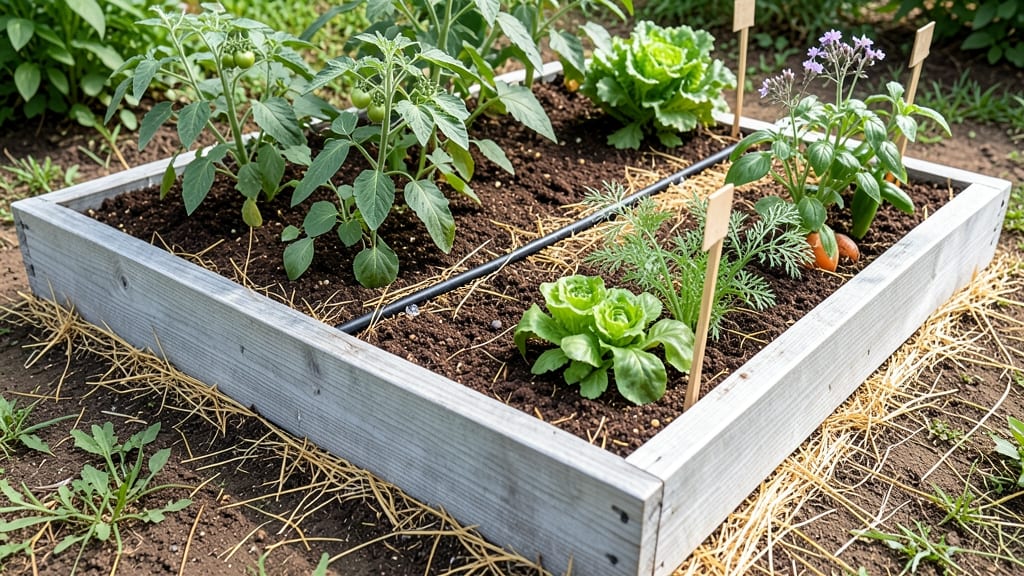
The best soil for vegetable garden raised beds combines loose, well-draining components like coconut coir, perlite, and composted organic matter (60-70% finished compost, 20-30% bulking agents, 10% fertilizer). Avoid dense clay or heavy garden soil to prevent compaction and root rot, and test pH (ideal: 6.0-7.0) for optimal nutrient uptake in vegetables like tomatoes, lettuce, and herbs.
Creating the perfect raised bed soil mix isn't just about dumping compost—it's about crafting a living ecosystem where roots can breathe and nutrients flow freely. 🌱 The right blend prevents soggy roots while holding moisture for plants like peppers and basil, which thrive in consistently damp conditions.
I've found that adding worm castings boosts microbial activity, helping break down nutrients faster than plain compost alone. For heavy feeders like zucchini, I often mix in a slow-release fertilizer to keep them growing strong all season.
What sets raised bed soil apart from regular garden soil is its ability to stay loose and fertile year after year. Unlike in-ground soil that compacts over time, raised beds let you control the texture and fertility from day one.
This means you can grow more in less space while reducing the risk of pests and diseases that thrive in dense, waterlogged conditions.
💡 In This Article
- Why Loose, Airy Soil Boosts Raised Bed Vegetable Growth
- DIY Raised Bed Soil Mix Recipes for Different Vegetables
Why loose, airy soil boosts raised bed vegetable growth
Roots need oxygen as much as water and nutrients—this is where loose soil makes all the difference. In raised beds, compacted soil can suffocate roots, cutting oxygen flow by up to 70% compared to well-aerated mixes.
The ideal texture creates tiny air pockets (pores) that allow roots to breathe while still holding moisture. Think of it like a sponge: too tight, and water pools; too loose, and it dries out. The magic happens in the 1-2mm gaps between particles where microbes thrive and roots expand freely.
Organic matter like compost acts as a glue, binding soil particles while adding critical nutrients. When you mix in 20-30% bulking agents (perlite, vermiculite, or coarse sand), you're creating a scaffold that prevents collapse.
For example, perlite expands when heated, adding 4-8 times its original volume—this creates the perfect balance between drainage and moisture retention. The result? Roots grow deeper and stronger, supporting 25-30% more yield in tomatoes compared to dense garden soil.
Microbial activity is another game-changer. Healthy soil teems with billions of bacteria and fungi that break down organic matter into plant-available nutrients. A well-structured raised bed mix can support 10-15 times more microbial activity than compacted ground soil.
This means your plants get a steady nutrient supply rather than relying on occasional fertilizer spikes. The key is maintaining that 6.0-7.0 pH range, where most beneficial microbes thrive—any lower, and nutrients like phosphorus become locked away.
Texture matters just as much as composition. For leafy greens like lettuce, a finer mix (20% sand) works best, while root crops (30% perlite) need larger particles to prevent stunting.
The moisture retention vs. drainage balance shifts based on your climate: in hot, dry areas, add more coconut coir (holds 3x its weight in water), while cooler regions benefit from extra compost for warmth.
Here's what happens when you get it wrong: dense soil leads to anaerobic conditions, where roots suffocate and rot. I've seen tomato plants in poorly drained beds develop blackened roots within weeks—this is root rot, a silent killer.
The fix? Always include at least 20% bulking agents and test your mix by squeezing a handful: it should crumble easily, not form a hard clod.
For visual learners, imagine this: a well-mixed raised bed soil looks like dark, crumbly chocolate cake batter—light yet structured. Poor soil resembles wet cement. The difference? One supports thriving plants; the other invites disease. 🌱