
How To
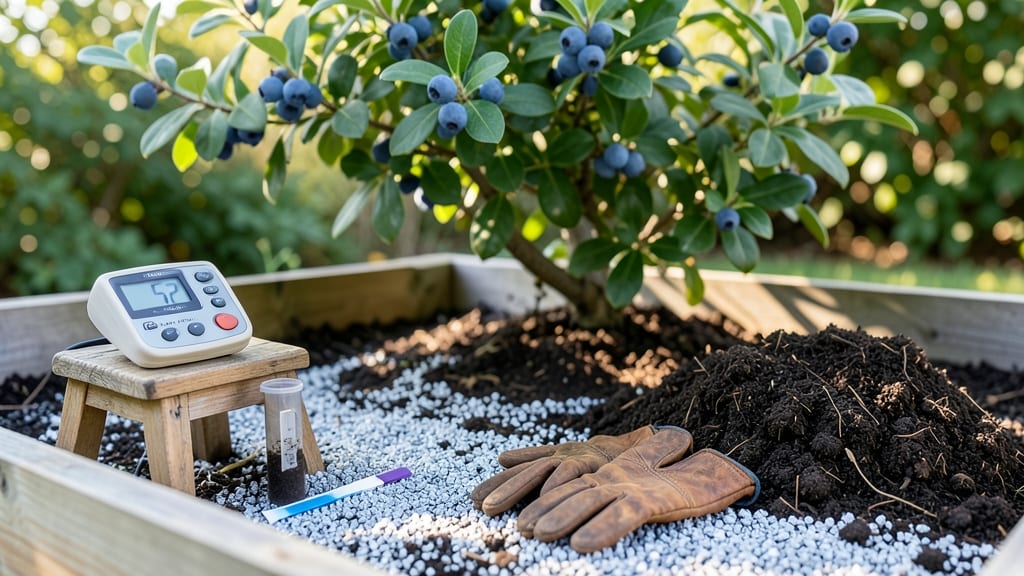
To neutralize soil acidity, raise the pH by applying lime or organic amendments like wood ash, composted manure, or crushed eggshells. Always test your soil first to calculate the exact amount needed for your plants.
Soil acidity throws off nutrient availability for plants, making them more vulnerable to disease and stunted growth. 🌱 The key is balancing pH—most vegetables thrive between 6.0 and 7.0, while acid-loving plants like blueberries prefer 4.5 to 5.5.
Lime works fast by releasing calcium and magnesium, while organic amendments like compost improve soil structure over time, creating a more stable environment. I recommend testing soil every 1-2 years, especially after major amendments, to track progress and adjust as needed.
For fast results, pelletized lime dissolves quickly and is easier to spread evenly, while dolomitic lime adds magnesium for nutrient-deficient soils. Organic options like wood ash or coffee grounds offer slower but gentler pH adjustments, perfect for delicate plants.
Always follow package instructions or consult a soil test report—overdoing it can make your soil too alkaline just as quickly as it was acidic.
💡 In This Article
- How Lime and Organic Amendments Raise Soil pH
- Best Soil Acid Neutralizers for Different Plant Types
How lime and organic amendments raise soil pH
When you add lime to acidic soil, you're essentially introducing calcium carbonate (CaCO₃), which reacts with hydrogen ions (H⁺) in the soil solution.
This chemical reaction neutralizes acidity by converting H⁺ into water (H₂O) and carbon dioxide (CO₂), effectively raising the pH. For example, garden lime typically contains 90-100% calcium carbonate, while agricultural lime has slightly lower purity (around 70-90%).
The faster the reaction, the quicker your soil's pH will shift—this is why pelletized lime works within weeks, while powdered lime may take slightly longer to dissolve and distribute.
The magnesium in dolomitic lime adds another layer of benefit. When soil lacks magnesium, plants may develop deficiency symptoms like yellowing between leaf veins. Dolomitic lime supplies both calcium and magnesium, making it ideal for soils deficient in either mineral.
Organic amendments like composted manure work differently—they introduce microbial activity that consumes hydrogen ions over time, gradually improving soil structure while raising pH. This process is slower but creates long-term stability, unlike the temporary boost from lime.
Here's where plant preferences come into play: most vegetables and grasses thrive at a neutral pH of 6.0-7.0, while acid-loving plants like blueberries and azaleas need pH levels between 4.5-5.5. The key is understanding your plants' needs before applying amendments.
For instance, adding lime to blueberry beds could be disastrous—it would push the pH too high, locking out essential nutrients like iron and manganese. Always check your soil's current pH before making adjustments, as overcorrecting can be just as harmful as undercorrecting.
Testing soil pH reveals the full picture. A pH below 6.0 indicates acidity, while readings above 7.0 suggest alkalinity. The goal is to move toward your target range gradually—typically 0.5 to 1.0 pH units per year.
For example, if your soil tests at 5.0 and you want to reach 6.0 for tomatoes, aim for a 1.0 pH increase over time. This steady approach prevents nutrient imbalances that can occur with rapid pH shifts.
Organic matter plays a crucial role in maintaining stable pH levels. Compost and well-rotted manure don't just raise pH—they improve soil's cation exchange capacity (CEC), which helps buffer against future acidification.
This is why experienced gardeners recommend adding organic matter annually, even after lime applications. The microbial activity in healthy soil naturally consumes hydrogen ions, creating a more resilient growing environment.
Consider this comparison: lime provides an immediate chemical reaction, while organic amendments build soil health over time. For fast results on highly acidic soils, lime is your best bet. But for long-term stability and plant nutrition, combining lime with organic matter creates the most balanced approach.
Think of it like adjusting your car's tire pressure—you want to make changes gradually to maintain proper function.