
Pests
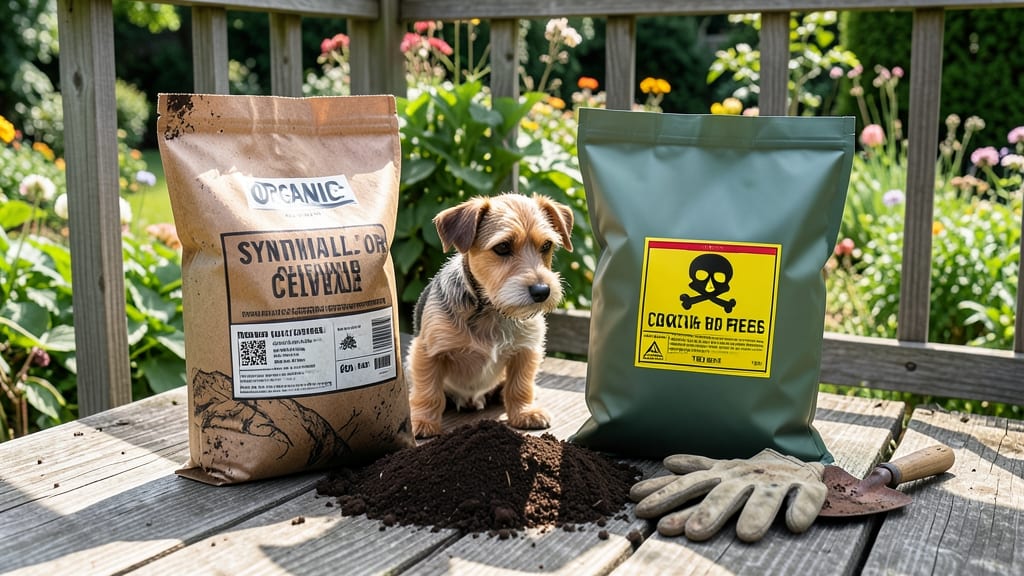
Potting soil can be toxic to dogs if it contains harmful ingredients like cocoa mulch, synthetic fertilizers, or pesticides, which may cause vomiting, diarrhea, or respiratory issues. Always use pet-safe soil blends and supervise outdoor access.
Potting soil poses risks to dogs primarily due to hidden contaminants like cocoa mulch, which contains theobromine—a compound toxic to canines, or chemical fertilizers that can irritate their digestive systems. 🐕 Even small amounts of fungicides or herbicides may trigger symptoms ranging from mild gastrointestinal upset to severe neurological reactions.
The danger isn't always obvious since these ingredients are often listed under vague terms like "plant food" or "organic matter," making it crucial to verify soil safety before allowing pets near gardening areas.
For pet owners, switching to organic, pesticide-free blends is the safest option. Look for soils labeled "pet-safe" that use ingredients like coconut coir, composted bark, or worm castings instead of chemical additives.
Many garden centers now carry specialized pet-friendly mixes, and you can also create your own by combining sterilized playground sand with organic compost. Always wash your dog's paws after outdoor play to remove any residual soil particles that might cling to their fur.
💡 In This Article
- Dangerous Ingredients in Potting Soil for Dogs
- Safe Potting Soil Alternatives for Pet Owners
Dangerous ingredients in potting soil for dogs
The real threat in potting soil lies in its hidden additives. Cocoa mulch, often found in "organic" blends, contains theobromine, a compound similar to caffeine that dogs metabolize poorly. Just 20-30 grams (about 1/4 cup) can cause restlessness, rapid breathing, and even seizures in small dogs.
Chemical fertilizers like urea-formaldehyde release fumes that irritate a dog's respiratory system, while fungicides containing copper compounds can cause liver damage if ingested over time.
Pesticides are another silent danger—even "natural" neem oil can trigger allergic reactions in sensitive dogs. The texture of these soils matters too: fine, powdery mixes cling to paw pads and fur, increasing ingestion risk. 🐾 What's particularly insidious is how these ingredients often go unnoticed in marketing.
Terms like "plant food" or "natural matter" can mask chemical fertilizers, while "organic" labels don't always mean pet-safe. Always check ingredient lists for words like "synthetic," "pesticide," or "fungicide" before assuming a blend is harmless.
Symptoms appear within 6-12 hours of exposure and vary by toxin. Theobromine poisoning causes excessive thirst, vomiting, and muscle tremors, while chemical burns from fertilizers appear as drooling, paw licking, and reddened gums. Respiratory irritation from fumes manifests as coughing or wheezing.
The key difference is timing: acute symptoms (vomiting, diarrhea) suggest immediate ingestion, while chronic exposure to low levels may lead to more subtle signs like lethargy or loss of appetite.
Size matters dramatically in toxicity. A 10-pound dog might show severe symptoms from just 1 tablespoon of cocoa mulch, while a 50-pound dog could handle slightly more—but the margin is dangerously small.
This is why garden soil is riskier than potting mixes: it often contains higher concentrations of natural pesticides from decomposing plant matter. Always assume "unknown" soil is dangerous until proven otherwise.
Even seemingly safe ingredients can pose risks when combined. For example, peat moss is non-toxic alone, but when mixed with chemical fertilizers, it can create a slow-release toxin that accumulates in a dog's system over weeks.
The porous nature of peat moss also traps pesticides, making it a hidden reservoir of potential harm. This is why veterinary cases often involve dogs that've been digging in the same garden area repeatedly.
What most pet owners miss is how soil texture affects exposure. Coarse mixes like bark chips are less likely to cling to fur, but fine, sandy soils adhere to paw pads and get ingested during grooming.
This is why post-walk paw washing becomes critical—even "safe" soil can harbor bacteria from dog waste or decomposing organic matter. The visual clue? If the soil leaves visible residue on your dog's fur after playtime, it's a red flag for potential contamination.