
Tools
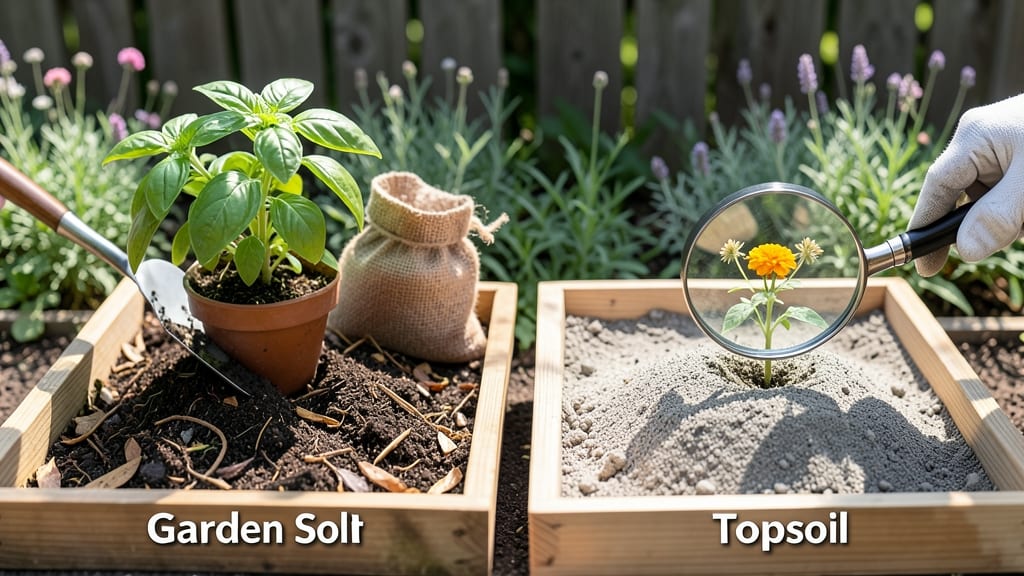
Garden soil and topsoil are not the same thing: topsoil is the nutrient-rich uppermost layer of soil (0-6 inches deep) naturally found in gardens, while garden soil is a blended mix often enhanced with compost, sand, or fertilizers for specific planting needs.
Garden soil and topsoil serve different purposes in landscaping and gardening.
Topsoil is the organic, nutrient-packed layer naturally formed over centuries, packed with essential minerals and microorganisms that support plant roots. Garden soil, on the other hand, is a custom blend designed for specific projects—think containers, raised beds, or vegetable gardens—where you might need extra drainage or fertility. 🌱 The key difference lies in their origins: one is nature's gift, while the other is a gardener's creation.
For example, if you're planting a lawn, topsoil's natural structure makes it ideal for grass roots to establish. But for delicate plants like herbs or flowers, garden soil's tailored composition—often mixed with perlite or coconut coir—can prevent overwatering or compaction.
I always recommend testing your existing soil first; a simple pH test can reveal whether you need to amend it with organic matter or adjust its texture.
Understanding these differences helps you avoid costly mistakes. Using topsoil in containers might lead to poor drainage, while garden soil spread over large areas could lack the stability needed for heavy plants.
The right choice depends on your project's specific needs—whether you're reviving a tired garden bed or starting fresh with new plantings.
💡 In This Article
- Topsoil vs Garden Soil: Composition Breakdown
- Choosing the Right Soil for Your Garden Needs
Topsoil vs garden soil: composition breakdown
Topsoil forms naturally over centuries through a process called pedogenesis, where organic matter like decomposed leaves and plant material mixes with minerals from weathered rocks. This layer typically measures 0-6 inches deep and contains 5-10% organic matter, along with essential nutrients like nitrogen, phosphorus, and potassium.
The microbial life thriving here—bacteria, fungi, and earthworms—breaks down organic material into plant-accessible forms, creating a living ecosystem that supports root growth. 🌱
Garden soil, however, is a human-engineered product designed for specific growing conditions. It often combines topsoil with amendments like compost (30-50% by volume), perlite (for aeration), or sand (for drainage).
For example, a typical vegetable garden blend might include 60% topsoil, 20% compost, 10% perlite, and 10% vermiculite—this ratio ensures optimal moisture retention while preventing compaction.
The key difference is control: garden soil lets you adjust texture, fertility, and drainage to match plant needs, whereas topsoil remains consistent with nature's original recipe.
This compositional contrast explains why topsoil works better for large areas like lawns or ground covers, where its natural stability matters. In contrast, garden soil shines in containers or raised beds, where plants need precise nutrient levels and drainage.
For instance, succulents thrive in garden soil mixed with 30% coarse sand to prevent root rot, while tomatoes benefit from a blend heavy in compost to support fruiting. The right mix makes all the difference in plant health and yield.
Here's what happens when you use the wrong type: Topsoil in containers can become waterlogged, suffocating roots, while garden soil spread over a large area may lack the structural integrity needed for heavy plants like shrubs.
The science behind this lies in particle size distribution—topsoil's natural clay-silt-sand ratio provides stability, while garden soil's amended texture prioritizes root oxygenation and nutrient availability. 🔬
Consider this real-world example: A friend once planted a rose bush in pure topsoil, expecting it to thrive. Instead, the dense, unamended soil compacted around the roots, restricting growth. After switching to a garden soil blend with 50% compost and 20% perlite, the roses flourished within months.
The lesson? Soil composition directly impacts plant success—whether you're growing vegetables, flowers, or lawns.
To test your soil's readiness, grab a handful and squeeze it: if it crumbles easily, it's likely topsoil; if it feels gritty or sticky, it may need amendments. For containers, always choose garden soil—its tailored composition ensures roots get exactly what they need to grow strong and healthy.
The right soil isn't just dirt; it's the foundation of your garden's success. ✨