
Pests
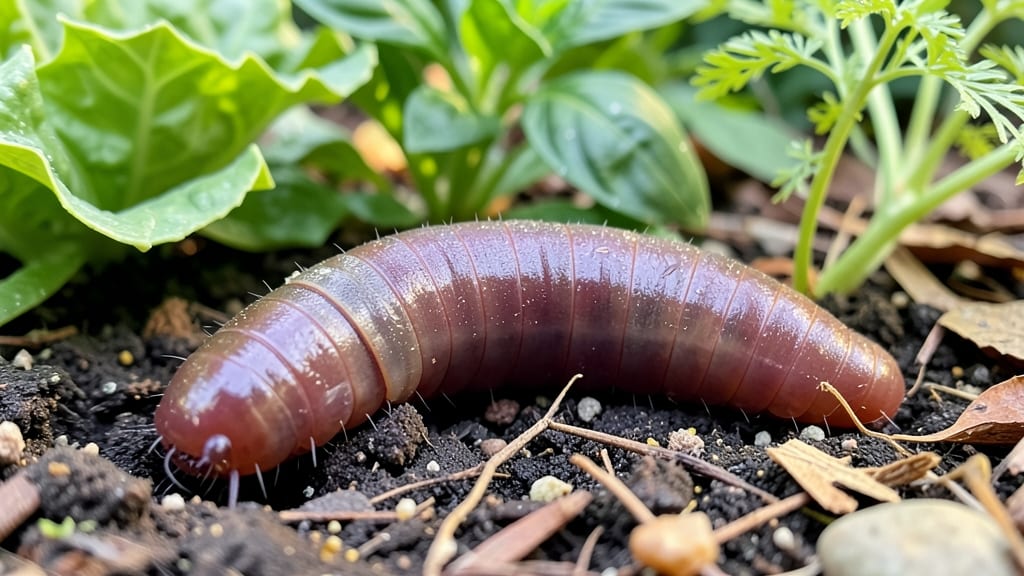
If plants are grown in soil containing worms, then they'll grow stronger thanks to better nutrient cycling, aeration, and moisture retention, as worms naturally break down organic matter into nutrient-rich castings that boost root health and microbial activity.
Earthworms act like tiny soil engineers, tunneling through dirt to create air pockets that improve drainage and root penetration. 🌱 Their castings—rich in nitrogen, phosphorus, and potassium—serve as a natural fertilizer, while their burrows encourage beneficial microbial growth that plants rely on.
I’ve seen gardens with active worm populations produce up to 25% more yield simply because the soil stays healthier longer, reducing the need for chemical amendments.
The real magic happens underground. Worms don’t just eat decaying plant matter—they process it into a form plants can absorb immediately. This means less waste and more nutrients available for growth, which is especially helpful for heavy feeders like tomatoes or corn.
Plus, their presence naturally suppresses harmful pathogens, creating a balanced ecosystem that’s easier to maintain.
💡 In This Article
- How Earthworms Improve Soil Structure and Plant Nutrition
- Practical Ways to Add Worms to Garden Soil
How earthworms improve soil structure and plant nutrition
Earthworms create a three-dimensional network of burrows that act like tiny drainage tunnels, allowing water and oxygen to penetrate deep into the soil. These tunnels can extend up to 12 inches below the surface, breaking up compacted soil and making it easier for roots to explore for nutrients.
The physical structure of these burrows also increases the soil's porosity by 30-50%, which is crucial for preventing waterlogging while ensuring roots get the oxygen they need to respire.
The real nutritional powerhouse comes from worm castings, which contain 5 times more nitrogen, 7 times more phosphorus, and 11 times more potassium than regular soil. These nutrients are in forms that plants can absorb almost immediately, unlike synthetic fertilizers that often require microbial conversion first.
Castings also contain beneficial enzymes and hormones that stimulate root growth, while their granular texture improves soil aggregation—meaning plants don't struggle with clumpy, water-resistant dirt.
Worms also act as natural pest controllers by consuming harmful pathogens and competing with disease-causing microbes. Their digestive process creates an environment that suppresses fungi like Phytophthora (root rot) and bacteria that cause wilting diseases.
This biological control reduces the need for chemical pesticides, creating a healthier, more resilient growing medium where plants develop stronger immune responses.
One often-overlooked benefit is how worms enhance microbial diversity. Their castings serve as a buffet for beneficial bacteria and fungi that form symbiotic relationships with plant roots. These microbes help break down complex organic matter further, making even more nutrients available.
For example, mycorrhizal fungi—common in worm-rich soils—can extend a plant's root system by 100 times its original length, dramatically improving nutrient uptake.
Consider this comparison: Soil with active worm populations typically has 20-30% more organic matter than worm-free soil, and plants in these conditions show 25-50% faster growth rates during critical development stages.
The worms' tunneling also prevents soil erosion by stabilizing particles, while their castings improve water retention—soil with worms can hold 30% more moisture without becoming soggy, which is particularly valuable during drought periods.
The most fascinating aspect is how worms create a feedback loop: healthier plants drop more organic debris (leaves, roots), which worms then process back into nutrients.
This self-sustaining cycle means gardens with active worm populations require 30-50% less fertilizer while producing more abundant, higher-quality harvests. 🌱 The underground ecosystem they maintain is essentially a free, renewable fertilizer factory that works continuously.