
How To
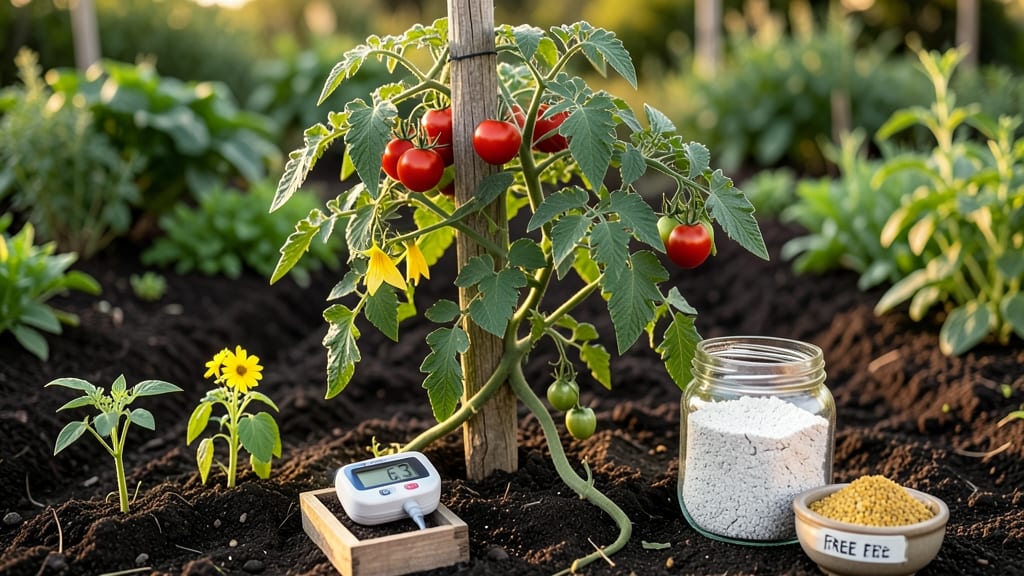
The ideal soil pH for tomatoes is between 6.0 and 6.8, with 6.2 to 6.5 being perfect for absorbing nutrients like phosphorus and calcium. Outside this range, your plants may struggle to grow or produce fruit.
Tomatoes thrive when soil pH is balanced because this range unlocks essential nutrients they need to grow strong roots and develop flavorful fruit. 🌱 For example, phosphorus—critical for flowering and fruiting—becomes unavailable in acidic soil below 6.0, while alkaline soil above 6.8 locks out calcium, often leading to blossom-end rot.
I’ve seen firsthand how adjusting pH can transform a struggling tomato plant into a productive one within weeks.
Testing your soil’s pH is simple: grab a basic test kit from a garden center or send a sample to a lab for precise results. If your soil is too acidic, add agricultural lime; for alkaline soil, use elemental sulfur.
The key is patience—amendments can take 2-3 months to fully adjust pH, so plan ahead for your planting season.
💡 In This Article
- Why pH Matters for Tomato Growth and Fruit Quality
- How to Test and Adjust Soil pH for Tomatoes
Why pH matters for tomato growth and fruit quality
Soil pH directly controls which nutrients tomatoes can absorb, acting like a lock-and-key system for their roots. At the ideal 6.2 to 6.5 range, essential nutrients like phosphorus (for flowering) and calcium (for cell walls) become water-soluble and available.
For example, phosphorus uptake drops by 50% when soil pH falls below 6.0, while calcium deficiency—common in alkaline soils—leads to the dreaded blossom-end rot.
The science gets even more interesting when you look at micronutrients. Iron and manganese become locked out in alkaline soils (pH above 7.5), causing yellowing between leaf veins (chlorosis), while zinc and copper deficiencies appear in acidic soils (below 5.5).
These deficiencies weaken plants, making them more susceptible to diseases like early blight or fusarium wilt. 🌱 What’s fascinating is how root health declines outside the 6.0–6.8 range: beneficial soil microbes that help break down nutrients struggle to thrive, further reducing plant vitality.
Here’s what happens when pH strays too far: in acidic soil, aluminum and manganese become toxic to roots, stunting growth, while alkaline conditions cause iron and phosphorus to precipitate as insoluble compounds, starving the plant.
I’ve seen tomato plants in pH 5.0 soil grow slowly with purple stems (a classic phosphorus deficiency sign), while those in pH 8.0 soil developed weak stems and poor fruit set. The 6.2–6.5 sweet spot ensures roots can efficiently explore the soil for water and nutrients.
Another critical factor is how pH affects disease resistance. Tomatoes grown in slightly acidic soil (around 6.0) show better resistance to fungal diseases because the soil’s natural microbial balance shifts toward beneficial bacteria. However, this doesn’t mean you should aim for acidic soil—nutrient availability still suffers below 6.0.
The balance is delicate, and small pH adjustments can make a huge difference in both yield and fruit quality.
Consider this: a tomato plant in pH 6.5 soil will produce fruit that’s 20–30% heavier than one in pH 5.5 or 7.5 soil, thanks to better nutrient uptake and stronger root systems.
The flavor difference is noticeable too—lower pH can make fruit taste slightly tart, while higher pH often results in bland, watery tomatoes. 🍅 This is why professional growers obsess over maintaining that narrow 6.0–6.8 window.
For the home gardener, understanding this science means you can troubleshoot issues before they become serious. Yellow leaves with green veins? Likely iron deficiency in alkaline soil. Small, misshapen fruit?
Possibly calcium deficiency from high pH. By keeping your soil in the ideal range, you’re not just optimizing growth—you’re setting your tomatoes up for success from the first seedling to the last harvest.