
Diseases
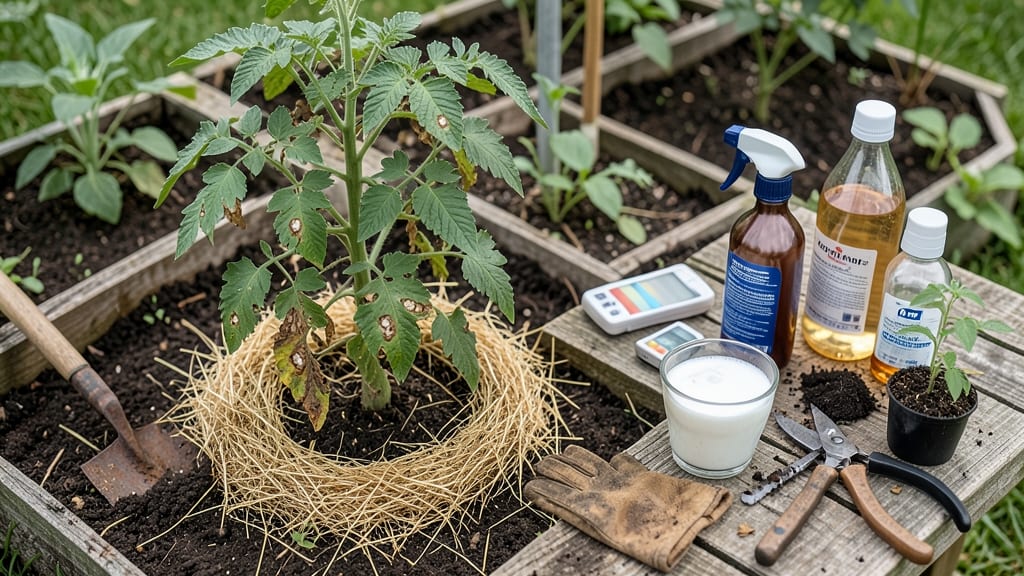
How to treat soil fungus can save your garden from wilting plants and brown patches—if you act fast. 🌱 I’ve seen powdery mildew creep across basil leaves and root rot turn healthy tomatoes into mush, but there’s always a way to fight back with simple, natural fixes. The key is catching it early and giving your soil the right tools to bounce back.
Most soil fungus thrives when conditions are too wet, too warm, or too crowded. Overwatering is the #1 culprit, but poor drainage and dense plantings play a role too. The good news?
You don’t need harsh chemicals—just a few targeted remedies like sulfur dust, neem oil, or even a sprinkle of baking soda for mildew. I’ve revived entire garden beds using these, and so can you.
Start by improving airflow and drainage—fungus hates dry, airy soil. Add compost to boost beneficial microbes, and rotate crops next season to break the cycle. Within weeks, you’ll see healthier roots, fewer yellow leaves, and plants that actually thrive instead of struggle.
This works for backyard gardens, containers, or raised beds—no matter your setup. The secret is consistency: treat the soil, not just the symptoms, and your plants will thank you for seasons to come.
Root Causes of Soil Fungus
Soil fungus isn’t just a random nuisance—it thrives because of specific conditions that create the perfect breeding ground for pathogens like Fusarium, Phytophthora, or Rhizoctonia. Understanding these triggers is the first step to prevention and treatment.
Below, we break down the real culprits behind fungal outbreaks in your soil, backed by science and actionable insights.
---
🌧️ Why it happens: Fungi love damp, oxygen-poor environments. When soil stays soggy for too long—whether from overwatering, heavy clay, or compacted roots—it creates ideal conditions for fungal spores to germinate and spread.
Poor drainage also traps water at the root zone, where fungi like Phytophthora (a water mold) can multiply rapidly.
Key factors: - Overwatering: Plants wilted but still damp? You’re likely drowning their roots. - Clay-heavy soil: Holds water like a sponge, suffocating roots and inviting fungi. - No mulch or improper layering: Mulch should improve drainage, not smother it.
Actionable sign: Yellowing leaves, blackened stems, or mushrooms popping up after rain.
---
🏗️ Why it happens: Healthy soil is a living ecosystem with aeration, microbes, and organic matter. When soil is compacted (from foot traffic, machinery, or poor structure), it blocks oxygen and water flow, weakening plant defenses.
Meanwhile, low organic matter (below 5% by volume) starves beneficial microbes, leaving fungi like Pythium to dominate.
Key factors: - Lack of compost or aged manure: Fungi feast on decaying matter—if there’s none, they’ll attack living roots instead. - High salt or chemical buildup: Fertilizer salts or synthetic chemicals disrupt microbial balance, making plants more susceptible. - Monoculture planting: Repeatedly growing the same plants (e.g., tomatoes) exhausts soil nutrients and builds up pathogen-specific fungi.
Actionable sign: Stunted growth, roots that look mushy or gnarled, or soil that crumbles like dust when dry.
---
🍂 Why it happens: While organic matter feeds soil, too much fresh debris (like unmulched leaves or grass clippings) creates a fungal buffet. Fungi decompose carbon-rich materials faster than bacteria, leading to anaerobic (oxygen-starved) zones where pathogens thrive.
The worst offenders? Wet wood chips, uncooked compost, or thick layers of straw that trap moisture.
Key factors: - Fresh vs. aged compost: Fresh compost is hot and fungal-dominant; aged compost is cooler and bacterial-friendly. - Improper mulching: A 2-inch layer is ideal; 6+ inches smothers roots and holds excess moisture. - Dead plant material left in soil: Old roots or stems harbor fungal spores that reinfect new plants.
Actionable sign: Fuzzy white or black growth on mulch, or plants rotting at the base despite appearing healthy above ground.
---
🌡️ Why it happens: Fungi are opportunistic—some (like Rhizoctonia) thrive in cool, damp springs, while others (Sclerotium) peak in hot, humid summers. Sudden temperature swings (e.g., frost followed by rain) weaken plants, making them vulnerable. Greenhouses and shaded areas trap humidity, accelerating spore germination.
Key factors: - Morning dew + poor airflow: Dew clings to leaves, creating a fungal highway to roots. - Greenhouse microclimates: High humidity (above 70%) without ventilation is a fungus factory. - Late-season planting: Cool soils in fall slow plant growth but don’t stop fungi, which stay active.
Actionable sign: Fungal growth appears after a cold snap or during prolonged cloudy weather.
--- 🛡️ Why it happens: Plants with stressors (nutrient deficiencies, pests, or physical damage) can’t fight off fungi.
For example: - Nitrogen deficiency → Thin cell walls = easier fungal entry. - Root damage (from grubs or improper transplanting) → Open wounds for pathogens. - Pest infestations (e.g., aphids) → Excrete honeydew, feeding fungal growth like sooty mold.
Key factors: - Imbalanced fertilizers: Too much phosphorus or potassium without nitrogen weakens roots. - Transplant shock: Disturbed roots take weeks to recover, leaving them vulnerable. - Disease cycles: Fungi often reinfect the same spot where previous crops were sick.
Actionable sign: Plants collapse suddenly despite no visible pests, or new growth wilts immediately after transplanting.
--- 🔪 Why it happens: Fungal spores hitchhike on gardening tools, compost, or even potting mix.
If you: - Reuse containers without sterilizing them (e.g., plastic pots with old Fusarium residue). - Add contaminated compost (from diseased plants or animal waste). - Share soil or tools between infected and healthy plants.
Key factors: - Spores survive for years: Some fungi (like Verticillium) can lie dormant in soil for decades. - Watering with untreated sources: Reusing water from a container that held infected plants. - Wildlife activity: Burrowing animals (squirrels, moles) can spread spores between garden beds.
Actionable sign: Fungal issues appear in newly planted areas or after using "fresh" tools/compost.
--- Fungal outbreaks rarely happen in isolation. For example: 1. Overwatering → Compacted soil → Poor drainage → Root rot → Fungal spread. 2. No crop rotation → Built-up pathogens → Weakened plants → Systemic infections.
Fix it: Address one root cause at a time (e.g., improve drainage before adding compost). Fungi exploit multiple weaknesses—strengthen your plants’ defenses holistically.
Quick Fixes for Fungal Soil Issues
Now that you know what’s causing that unsightly soil fungus, it’s time to roll up your sleeves and get to work. The good news? Most fungal problems can be tackled with natural, plant-safe solutions—no harsh chemicals required.
Below, we’ve mapped out practical fixes based on the root causes (literally!) we covered earlier, plus prevention tips to keep your soil healthy long-term.
---
Problem: Fungus thrives in soggy conditions, so if your soil stays damp for too long, spores spread like wildfire.
How to Fix It: ✅ 🔥 Improve Drainage Immediately - Mix coarse sand, perlite, or small gravel into heavy clay soil (1 part additive to 3 parts soil). - For potted plants, drill drainage holes in the bottom if missing, or add a layer of pebbles before fresh soil.
✅ 👨🍳 Adjust Your Watering Routine - Water deeply but less frequently—aim for 1-2 inches per week (check with your finger: if the top inch is dry, it’s time). - Water in the morning so excess moisture evaporates during the day. - Avoid overhead watering (use drip irrigation or a watering can at the base).
✅ 🌡️ Boost Airflow - Space plants 3-6 inches apart (fungus loves crowded, humid spots). - Use a small fan on low for 10-15 minutes daily near potted plants to reduce humidity.
💡 Prevention Pro Tip: - Test your soil’s drainage by filling a container with soil and water, then timing how long it takes to drain. If it sits for >2 hours, amend it!
---
Problem: Dense, poor-quality soil traps moisture and lacks the microbes to fight fungus.
How to Fix It: ✅ 🔪 Loosen the Soil Gently - Use a garden fork or tiller to aerate 6-12 inches deep (for in-ground plants) or flip potted soil every 3-4 months. - Add compost or well-rotted manure (1-2 inches) to improve structure and fertility.
✅ 🍳 Feed the Good Guys (Microbes!) - Sprinkle beneficial fungi like mycorrhizal inoculants or trichoderma (available at garden centers). - Brew a compost tea (steep compost in water for 24-48 hours, strain, and use as a soil drench).
✅ 🥘 Balance pH Levels - Test your soil’s pH (ideal for most plants: 6.0-7.0). - Lower pH? Add sulfur or pine needles. - Raise pH? Mix in lime or wood ash (sparingly).
🎯 Prevention Pro Tip: - Rotate crops annually to prevent fungus buildup in the same spot.
---
Problem: Leaves, grass clippings, or thick mulch create a fungus-friendly microclimate.
How to Fix It: ✅ 🧹 Remove Organic Debris - Rake away fallen leaves, dead plants, or thick mulch from the soil surface. - Compost healthy plant material (but not diseased leaves—dispose of those in the trash).
✅ ⏰ Thin Out Mulch - Keep mulch 2-3 inches thick (any thicker = trapped moisture). - Use straw, cedar chips, or pine bark (avoid wood chips if fungus is severe—they can harbor spores).
✨ Prevention Pro Tip: - Solarize your soil in summer: Cover bare soil with clear plastic for 4-6 weeks to kill fungus spores with heat.
---
If fungus has already taken hold, try these emergency remedies:
| Remedy | How to Use | Best For | |--------------------------|---------------------------------------------------------------------------------|-------------------------------| | 🍋 Vinegar Spray | Mix 1 part white vinegar + 1 part water, spray on soil (avoid plants). | Mild powdery mildew | | 🧂 Salt Solution | Dissolve 1 tbsp salt in 1 gallon water, drench soil (use sparingly). | Localized fungus patches | | 🌿 Neem Oil | Mix 1 tbsp neem oil + 1 tsp mild soap + 1 quart water, spray soil + leaves. | Early-stage fungal growth | | 🍄 Hydrogen Peroxide | Use 3% food-grade H₂O₂, spray soil (1:1 with water) to kill spores. | Root rot or damping-off |
⚠️ Warning: - Never use salt or vinegar on edible plants or near beneficial microbes. - Test remedies on a small area first to avoid plant damage.
--- Keep fungus at bay with these easy habits: - 💡 Plant resistant varieties (e.g., disease-resistant tomatoes or marigolds to repel fungus). - 🌡️ Monitor soil moisture with a moisture meter or your finger. - 🍂 Clean tools with rubbing alcohol after each use to avoid spreading spores. - 🌿 Interplant with fungicides like garlic, chives, or thyme. - 🔄 Refresh soil annually with compost or aged manure.
--- Final Thought: Fungal soil issues are fixable—but the key is acting fast and preventing recurrence. Start with one or two fixes from above, then build healthy soil habits. Your plants (and your sanity) will thank you! 🌱✨
Frequently asked questions
How quickly can I expect to see results after treating soil fungus?
For mild cases, you may notice improvement within 3-7 days if you use targeted remedies like neem oil or hydrogen peroxide. More severe root rot or systemic infections can take 2-4 weeks to fully recover, especially if you're also improving drainage and soil structure. Consistency is key—keep treating the soil and monitoring moisture levels.
Can I still use the same compost if my soil has fungus?
No, you should never use compost made from diseased plant material—it will only spread the problem. Instead, use aged compost (at least 6 months old) or purchase fresh compost from a reliable source. For immediate fixes, focus on beneficial microbes like mycorrhizal fungi or compost tea to rebuild healthy soil biology.
What’s the difference between root rot and damping-off, and how do I treat them?
Root rot appears as mushy, discolored roots and affects mature plants, while damping-off strikes seedlings at the soil line, causing them to collapse. For root rot, improve drainage and apply hydrogen peroxide (3%) to the soil. For damping-off, use baking soda spray (1 tsp per quart of water) and ensure proper airflow between seedlings.
Will fungicides harm beneficial insects like bees or earthworms?
Most natural fungicides (neem oil, copper-based sprays) are safe when used correctly, but synthetic fungicides can harm beneficial soil organisms. Always choose organic options and apply them evening or early morning when bees are less active. Earthworms thrive in healthy soil—focus on improving soil structure rather than chemical treatments.
How do I know if my soil fungus problem is severe enough to replace the soil?
Consider replacing soil only if you've tried all natural remedies for 3 months with no improvement, or if you see visible fungal growth (like mushrooms) and plants continue to die despite your efforts. For small containers, replace the soil completely. For garden beds, solarize the soil (cover with clear plastic for 4-6 weeks) to kill spores before replanting.