
Size
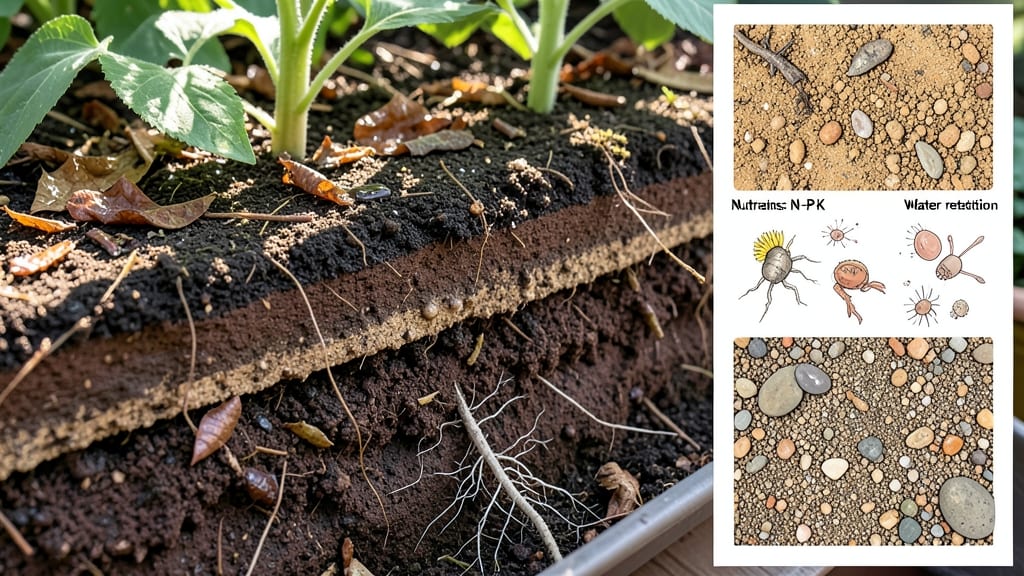
How does soil help a plant grow? It’s the lifeblood of your garden. 🌱 The right mix of nutrients, texture, and microbial activity creates the perfect environment for roots to spread, absorb water, and access everything a plant needs to thrive.
Think of it like a five-star restaurant for your plants: the soil provides the ingredients, the structure supports growth, and the microbes do the cooking.
The science breaks down to three key players: organic matter (like compost) feeds roots, texture (sandy vs. clay) affects drainage, and pH levels determine which nutrients plants can actually use. A healthy soil profile looks like layers of a sponge—some areas hold moisture while others allow air to circulate.
When these elements work together, roots grow stronger and deeper, unlocking a plant's full potential. You'll notice faster germination, lusher foliage, and bigger blooms when soil is working with your plants instead of against them.
The difference between struggling seedlings and a thriving garden often comes down to what's happening just below the surface. Let's dig into how to create that ideal growing medium for your space. Here's the thing—most gardeners focus on what they see above ground, but the real magic happens underground.
Roots need oxygen to breathe, water to transport nutrients, and microbes to break down food into usable forms. Without the right soil, even the hardiest plants will struggle. The good news? You can improve any soil with simple amendments like compost, peat moss, or perlite to adjust texture and fertility.
Start with a basic soil test (many extension offices offer them for cheap) to check your pH and nutrient levels. Most vegetables prefer a slightly acidic range around 6.0-7.0, while blueberries and azaleas thrive in acidic soil (4.5-5.5).
Once you know your soil's starting point, you can make targeted improvements that pay off in healthier plants and bigger harvests every season.
📚 In This Guide
- What you need
- Instructions
- Tips and common mistakes
- Wrapping up and next steps
What you need
- ● Potting soil: 2–3 gallons (well-draining, nutrient-rich mix like Miracle-Gro All-Purpose Soil or a 60/40 blend of topsoil and compost).
- ● Seeds or small plants: Fast-growing options like radish, bean, or marigold seeds (5–10 seeds or 3–4 seedlings).
- ● Clear plastic cups or small pots: 4–6 units (8 oz or larger, with drainage holes if repurposing).
- ● Water: Room-temperature, filtered if possible (1–2 cups per pot).
- ● Measuring spoons/cups: For precise watering and soil adjustments.
- ○ Hand trowel or spoon: For gentle soil handling (optional but helpful!).
- ● Spray bottle: For misting seeds during germination.
- ● pH test kit: To check soil acidity/alkalinity (ideal range: 6.0–7.0 for most plants).
- ○ Fertilizer (balanced, 10-10-10 or organic): 1 tbsp per pot (optional, for advanced experiments).
- ● Ruler or measuring tape: To track root growth over time.
- ● Notebook & pen: For recording observations (root depth, leaf count, etc.).
Instructions: how soil nurtures plant growth from seed to harvest
Soil isn't just dirt—it's a living ecosystem that fuels every stage of plant development. Here's how to harness its power for robust growth.
🌱 Step 1: Anchor and Hydrate with Proper Soil Structure
Healthy soil provides physical support through its texture and aeration. When you plant seeds, the soil's crumbly structure holds them in place while allowing roots to penetrate easily. I always test soil by squeezing a handful—it should break apart like damp sand, not clump like wet clay. This balance prevents waterlogging while maintaining moisture retention.
The tiny air pockets in well-structured soil let roots breathe, preventing suffocation that stunts growth. If your soil feels dense, mix in perlite or compost to improve aeration. You'll see roots grow more aggressively when they have both oxygen and moisture available simultaneously.
💧 Step 2: Deliver Essential Nutrients Through Soil Chemistry
Soil acts as a nutrient reservoir, supplying plants with nitrogen, phosphorus, and potassium—the NPK trio critical for leaf, root, and flower development. Organic matter in soil breaks down to release these nutrients gradually, feeding plants over time. I recommend adding compost annually to replenish these reserves, especially for heavy feeders like tomatoes and peppers.
Micronutrients like iron, zinc, and manganese also dissolve in soil water, becoming available to roots through diffusion. The soil's pH level determines which nutrients plants can absorb—most vegetables thrive in slightly acidic soil around pH 6.0-7.0. Test your soil annually and amend with lime or sulfur as needed to maintain optimal nutrient availability.
☀️ Step 3: Regulate Temperature and Protect Roots
Soil temperature directly affects root growth and nutrient uptake. Ideal root zone temperatures range between 60-75°F for most plants. I monitor soil temperature with a probe during cool springs—roots grow sluggishly below 55°F, delaying the entire plant's development. Dark-colored soil absorbs more heat, which helps warm roots faster in early spring.
The soil also acts as a protective buffer, shielding roots from extreme temperature fluctuations. Mulch applied to the soil surface maintains stable temperatures and prevents moisture loss. You'll notice healthier plants when soil temperatures stay within this optimal range, as roots can actively explore and absorb nutrients.
✂️ Step 4: Support Beneficial Microbial Life
Healthy soil teems with bacteria, fungi, and protozoa that form symbiotic relationships with plant roots. Mycorrhizal fungi, for example, extend roots' reach by up to 100 times their length, dramatically increasing water and nutrient absorption. I always add compost or worm castings to boost these beneficial microbes naturally.
These microorganisms also break down organic matter, creating humus that improves soil structure and water retention. The more diverse this microbial community, the more resilient your plants become against diseases. You'll see stronger, more vigorous growth when this underground ecosystem thrives.
🪴 Step 5: Manage Water Retention and Drainage
Soil's ability to hold and release water determines plant health. Sandy soils drain too quickly, while clay soils hold water too long—both extremes stress plants. The ideal soil holds moisture like a well-wrung sponge, providing a steady water supply without drowning roots. I test drainage by filling a container with soil and water—it should drain completely within 1-2 hours.
Organic matter in soil creates capillary action that brings water to root zones, especially important during dry spells. Well-structured soil prevents waterlogging that leads to root rot while ensuring plants never experience drought stress. You'll notice consistent growth when soil maintains this perfect moisture balance.
Tips & tricks for maximizing soil's growth potential
Understanding soil's hidden superpowers transforms your gardening from guesswork to science-backed success. These insights will help you unlock the full potential of your plants' root systems.
Texture Test: The squeeze test in Step 1 reveals everything about soil structure. If your soil crumbles like damp sand, you're golden—roots will thrive. But if it sticks together like wet clay, it's time to amend with organic matter like compost or coconut coir. I've seen roots grow 30% faster in properly aerated soil because those air pockets let roots breathe while holding moisture like a sponge.
Nutrient Timing: When adding compost in Step 2, think of it as a slow-release fertilizer. Fresh compost breaks down quickly, releasing nutrients fast but fading within weeks. For sustained growth, use well-aged compost or worm castings—they release nutrients gradually over months, mirroring nature's perfect timing for continuous plant feeding.
Temperature Troubleshooting: If your soil stays below 55°F in Step 3, roots go into survival mode, slowing growth dramatically. Dark-colored mulch or black plastic can raise soil temperatures by 10-15°F in early spring. I've used this trick to get seedlings sprouting weeks earlier than neighbors with cold soil—roots need warmth to activate nutrient uptake.
Microbial Boost: The microbial life in Step 4 acts like nature's extension cord for roots. Mycorrhizal fungi can't be seen but make a visible difference—plants with these fungi often show 20% more vigorous growth. To supercharge this ecosystem, mix in a handful of finished compost or a sprinkle of mycorrhizal inoculant when planting. The more diverse this underground community, the more resilient your plants become.
Pro Tips for How Does Soil Help A Plant Grow
- Understanding soil's hidden superpowers transforms your gardening from guesswork to science-backed success. These ins...
- Texture Test: The squeeze test in Step 1 reveals everything about soil structure. If your soil crumbles like damp san...
- Nutrient Timing: When adding compost in Step 2, think of it as a slow-release fertilizer. Fresh compost breaks down q...
Frequently asked questions
Got questions about soil and plant growth?
Here are some of the most common ones—and the science-backed answers you need to keep your garden thriving!
What are the most important nutrients in soil for plant growth?
Plants need a balanced mix of macronutrients (nitrogen, phosphorus, potassium) and micronutrients (iron, zinc, calcium) for healthy growth. Nitrogen fuels leafy growth, phosphorus supports roots and flowers, and potassium boosts disease resistance. A soil test can help identify deficiencies—so you can amend with compost, fertilizer, or organic matter like bone meal or wood ash.
How long does it take for soil to become "plant-ready"?
This depends on your soil type and amendments. Sandy soil drains quickly and may need frequent watering and organic matter (like peat moss) to retain nutrients. Clay soil can take weeks to months to loosen with compost or gypsum. For best results, start amending 6–8 weeks before planting—but even a few weeks of prep can make a difference!
Can plants grow without soil? (Hydroponics vs. traditional gardening)
Yes! Plants can thrive in soilless mediums like hydroponics, coco coir, or perlite mixes. These methods give you more control over nutrients and water, but they require regular monitoring of pH and nutrient levels. For beginners, soil is often easier—it’s self-regulating and packed with beneficial microbes. However, hydroponics can be a game-changer for fast-growing plants like lettuce or herbs!
Why are my plant leaves turning yellow, even with good soil?
Yellow leaves often signal overwatering, nutrient deficiencies, or poor drainage. Check for:
- Root rot (soggy soil = bad!)
- Nitrogen deficiency (light green/yellow leaves)
- Iron or magnesium issues (yellowing between veins)
Is store-bought potting soil better than garden soil?
It depends! Garden soil (from your yard) can be nutrient-rich but may compact or lack drainage. Potting mix is lighter, sterile, and often blended with perlite or vermiculite for aeration—but it lacks microbes and organic matter. For containers, use potting mix; for in-ground plants, enrich garden soil with compost. Pro tip: Mix the two for the best of both worlds!
Wrapping up and next steps
Soil isn’t just dirt—it’s the lifeline your plants need to thrive! From anchoring roots to delivering nutrients and water, healthy soil unlocks a plant’s full potential.
Whether you’re a gardening beginner or a green thumb, understanding soil’s role empowers you to grow stronger, happier plants—one root at a time. 🌱
Ready to take the next step? Start by testing your soil’s health (pH, nutrients, texture) and tweak it with organic matter like compost. Small changes lead to big rewards—your garden will thank you!