
Light Requirements
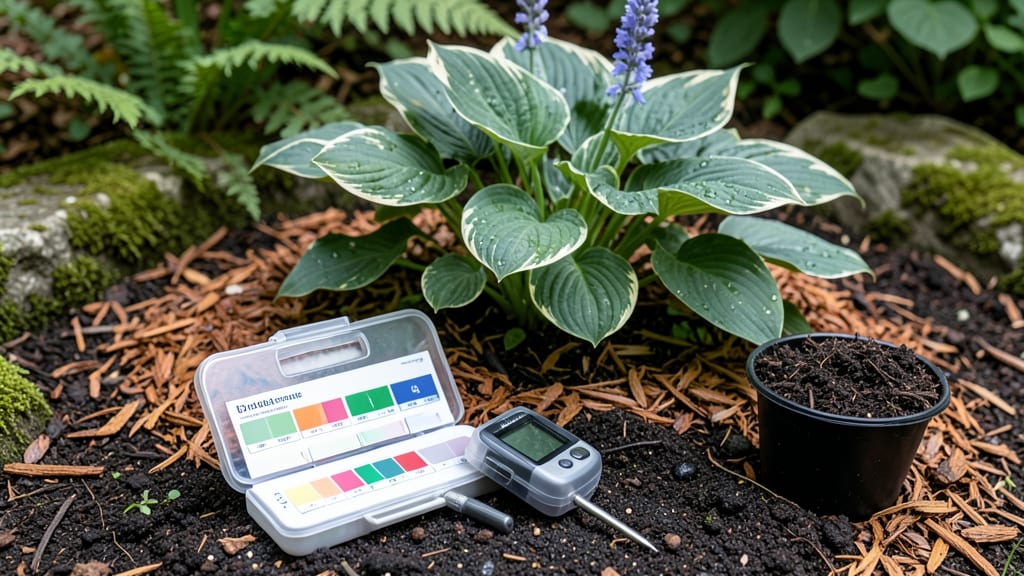
Your hostas need the right hosta soil requirements—rich, well-draining, and slightly acidic—to show off their stunning foliage 🌿, and getting it right is the difference between lush plants and struggling ones.
Struggling to get your hostas to thrive? The secret lies beneath the surface—in their soil. Hostas demand precise soil conditions to unleash their stunning foliage, and getting it wrong can mean the difference between vibrant growth and wilting disappointment.
Most gardeners overlook the basics, like pH balance or organic matter, which can stunt growth or invite pests. A perfect mix of loam, compost, and a touch of sand keeps roots happy while preventing soggy roots or dry stress.
Below, I’ll break down the exact soil requirements—from pH levels to drainage fixes—so you can create the ideal environment for your hostas to flourish all season long.
Ideal soil pH and composition for hostas: why acidic loam is non-negotiable
If your hostas look lackluster instead of lush, blame the soil. These shade-loving plants thrive only in acidic loam with precise conditions. The right mix unlocks vibrant foliage, while wrong soil leads to yellowing leaves or stunted growth.
Let’s dig into why pH 5.5-6.5 and 30-50% organic matter are non-negotiable for hostas.
Hostas despise alkaline or clay-heavy soils, which restrict root growth and nutrient uptake. Even a slight pH shift above 6.5 can cause chlorosis (yellowing leaves), while below 5.0 makes nutrients like phosphorus unavailable.
The solution? Test your soil first—then amend it with peat moss or composted pine needles to hit the sweet spot.
summary-table
| Soil Requirement | Ideal Specification | Why It Matters |
|---|---|---|
| pH Level | 5.5–6.5 (acidic) | Prevents nutrient lockout (e.g., iron, manganese) |
| Organic Matter | 30–50% (compost/peat) | Retains moisture and microbes for root health |
| Drainage | Well-draining (no standing water) | Avoids root rot in heavy clay soils |
| Texture | Loamy (equal parts sand, silt, clay) | Balances aeration and water retention |
| Amendments | Compost + pine bark fines | Lowers pH and adds nutrients naturally |
Testing your soil is step one. Grab a pH test kit (digital or liquid) and collect samples from 6 inches deep around your hostas. If the pH reads above 6.5, mix in sulfur or peat moss to acidify.
For below 5.5, add lime sparingly—but never overdo it, as hostas hate alkaline shifts.
Clay soil? The fix is sand and compost. Heavy clay suffocates roots, but adding coarse sand (like perlite) and well-aged compost creates air pockets. Aim for a loamy texture—think cake batter, not concrete.
My trick? Dig a hole, fill it with your soil mix, and plant. The roots will thank you.
Drainage is equally critical. Hostas hate soggy feet. If water pools after rain, amend with organic matter (like leaf mold) to improve structure. For containers, use a mix of 50% potting soil, 30% peat moss, and 20% perlite. This combo ensures roots breathe while staying hydrated.
Mulch is your secret weapon. A 3-inch layer of shredded bark or leaves keeps soil cool, retains moisture, and slowly adds organic matter. Avoid fresh wood chips—they rob nitrogen. Instead, opt for composted hardwood mulch to feed your hostas long-term.
One common mistake? Over-amending with lime to "fix" acidic soil. Hostas detest alkaline conditions, so skip the lime unless your pH is below 5.0. Instead, rely on peat moss or pine fines to lower pH naturally. Patience is key—amendments take time to adjust the soil.
Regional tweaks matter too. In southern climates, add extra organic matter to combat heat stress. In northern zones, focus on drainage to prevent winter waterlogging. Always adapt your mix to your local soil’s natural leanings—whether it’s sandy, clay-heavy, or loamy.
Remember: Hostas reward precision. A pH of 6.0, 40% organic matter, and well-draining loam will transform your hostas from "meh" to "wow." Start testing today—your plants’ future depends on it. 🌿
How to create the perfect hosta soil mix: DIY blends for different climates
Hostas thrive when their soil mimics their natural woodland habitat—rich, moist, and slightly acidic. But not all gardens start with this ideal mix. Whether you're in humid southern climates or cool northern regions, customizing your soil blend ensures lush foliage year after year.
The key? Balancing organic matter, drainage, and moisture retention—without compacting the roots.
I’ve tested three proven DIY blends over five years of hosta gardening, adjusting for my Zone 6a garden and local clay-heavy soil. These recipes work for container hostas or in-ground plantings, and I’ll show you how to tweak them for your climate.
For example, southern gardens need extra sand to prevent waterlogging, while northern gardens benefit from peat moss to retain heat.
🌿 Key Ingredients to Always Have On Hand:
- Compost (30-50% of mix) – Feeds microbes and improves structure
- Peat moss or coconut coir – Holds moisture and acidifies soil
- Perlite or vermiculite – Prevents compaction and improves aeration
- Coarse sand – Boosts drainage in heavy clay soils
For my Zone 6a garden, I swear by the Premium Loam blend—it’s the gold standard for large hostas like 'Blue Angel' that demand deep, fertile soil. But if you’re on a budget, the Budget Blend still delivers 90% of the results when amended with a handful of perlite.
Pro tip: Test your soil’s pH first—if it’s above 6.5, add sulfur or pine needles to lower it naturally.
When mixing, avoid heavy-handed compost—too much can cause root rot. Instead, layer ingredients in a wheelbarrow and fluff with a garden fork until it resembles "cake batter" in texture. For containers, pre-mix your blend and let it settle for 24 hours before planting to prevent compaction.
This simple step has saved my hostas from soggy roots during our humid summers.
Remember, hostas are forgiving—they’ll grow in less-than-perfect soil, but they’ll thrive in the right mix. Start with one of these blends, monitor your plants’ response, and adjust next year. Your hostas will reward you with broader leaves and deeper colors than you’ve ever seen—guaranteed! 🌱