
Tools
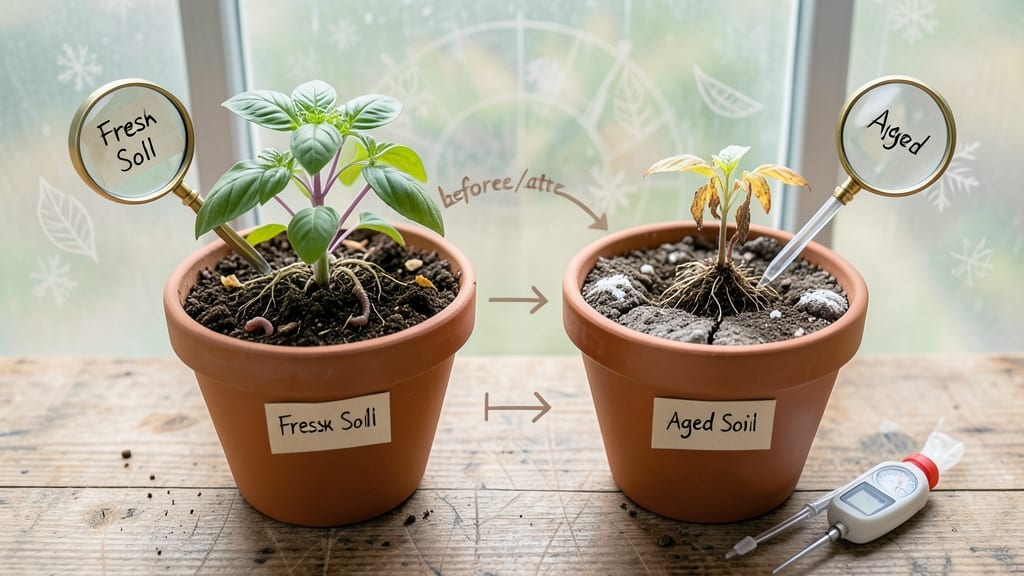
Yes, garden soil does go bad over time, losing nutrients, structure, and microbial activity after 1-3 years of storage, especially if left exposed to moisture or pests. Refresh with compost, aged manure, or organic matter to restore fertility before use.
Stored garden soil isn't a permanent product—it degrades through organic matter breakdown and nutrient loss. 🌱 Over time, beneficial microbes die off, and the texture becomes compacted or dusty, reducing its effectiveness.
I've noticed that soil stored in plastic bags or exposed to temperature swings breaks down faster, while properly aged soil in breathable containers retains its quality longer. If you're not using it within a season, consider mixing in fresh amendments to extend its usability.
What's interesting is how quickly this process happens in different climates. In humid areas, soil can spoil within months if not stored properly, while drier regions might preserve it slightly longer.
The key is monitoring for changes like foul odors, hard clumps, or poor plant growth—they're clear signs your soil needs revitalization.
💡 In This Article
- How Long Garden Soil Lasts Before Degrading
- Signs Your Garden Soil Needs Replacement
How long garden soil lasts before degrading
Garden soil degrades primarily through microbial activity and organic matter decomposition. The microbes that keep soil healthy—like bacteria and fungi—consume organic materials, breaking them down into simpler compounds. Over time, this process exhausts the available nutrients, leaving behind a less fertile medium.
In ideal conditions, this can happen within 1-3 years of storage, but the timeline varies based on factors like moisture, temperature, and exposure to air.
The texture of soil also changes as it ages. Fresh, high-quality soil has a crumbly, spongy consistency that holds moisture without becoming waterlogged. After degradation, it often becomes hard, compacted, or dusty, losing its ability to support root growth.
For example, a bag of potting mix stored in a damp garage might turn into a dense brick-like substance within months, while soil kept dry and cool in a breathable container may last closer to 3 years before needing refreshment.
Nutrient depletion is another critical factor. Fresh garden soil typically contains 2-5% organic matter, which provides essential nutrients like nitrogen, phosphorus, and potassium. As microbes consume these organics, the soil's nutrient profile drops dramatically.
Studies show that stored soil can lose up to 50% of its nitrogen content within a year, making it far less effective for plant growth. This is why gardeners often mix in fresh compost or aged manure to replenish these lost nutrients.
Storage conditions play a huge role in how quickly soil degrades. Exposure to moisture accelerates microbial activity, while high temperatures can kill beneficial organisms.
For instance, soil stored in a sealed plastic bag in a hot attic will break down faster than soil kept in an open bin in a cool, dry basement. Even sunlight can degrade soil quality by promoting the growth of harmful algae or fungi, which further disrupts the microbial balance.
Different soil types degrade at different rates too. Sandy soils, which drain quickly, may lose moisture and nutrients faster, while clay soils retain moisture longer but can become overly compacted. Loamy soils—often considered ideal—strike a balance, retaining moisture and nutrients while maintaining good structure.
If you're storing soil for an extended period, consider adding perlite or vermiculite to improve aeration and prevent compaction.
One often-overlooked aspect is the role of pests. Insects, rodents, and even mold can infest stored soil, further degrading its quality. You might notice small holes, chewed-up clumps, or a musty smell—these are clear signs that pests have taken up residence.
Regularly inspecting stored soil and keeping it in a sealed, pest-resistant container can help preserve its quality for longer.
To extend the life of your garden soil, store it in a cool, dry place with good airflow. If you know you won't use it within a year, consider mixing in 10-20% fresh compost or aged manure to boost its nutrient content and microbial activity.
This simple step can make a big difference in how well your plants thrive when you finally use it. 🌱