
How To
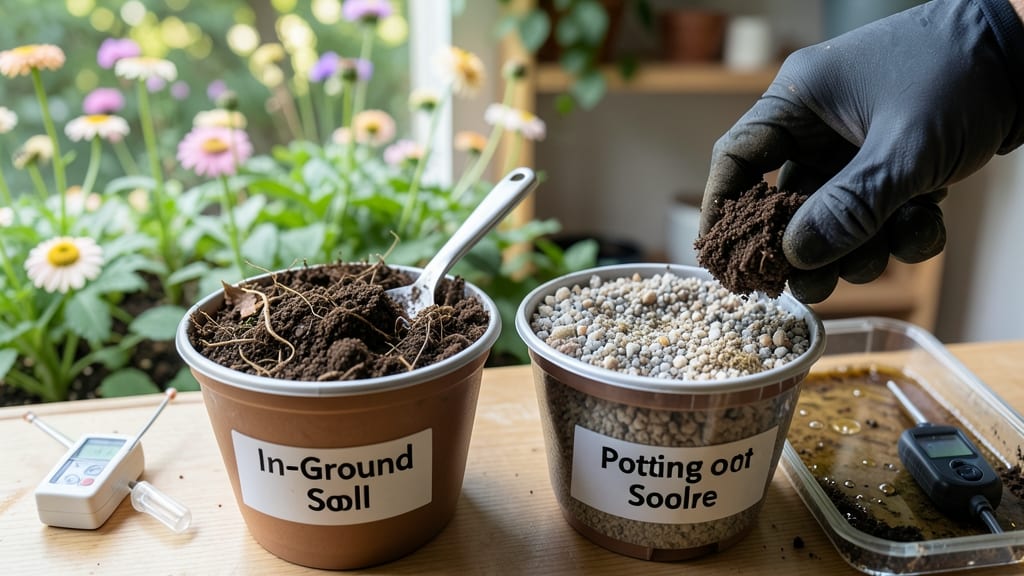
Your plants' survival depends on the soil you choose—in-ground soil and potting soil serve completely different purposes, and using the wrong one can mean the difference between thriving blooms and struggling seedlings.
I’ve buried more plants than I’d like to admit by mixing these up, especially when starting container gardens with soil meant for the yard. The first mistake? Assuming they’re interchangeable. They’re not.
In-ground soil is the raw, natural material found in your yard—clay-heavy, nutrient-rich over time, but often compacted from years of foot traffic and weather. It’s perfect for permanent plantings because it holds moisture and supports deep root systems.
The downside? It drains poorly when wet and can suffocate container plants. Potting soil, on the other hand, is a lightweight, airy mix designed to prevent compaction and promote drainage, but it lacks the long-term nutrients of garden soil.
Here’s the game-changer: potting soil breaks down in 6–12 months, while in-ground soil builds fertility over years. Use potting soil for containers, seed starting, and annuals—anything temporary. Reserve garden soil for perennials, shrubs, and vegetables that need to establish deep roots.
The key is matching the soil to the plant’s needs, not just grabbing what’s cheapest.
Pro tip: Amend your in-ground soil with compost to mimic potting soil’s benefits for containers planted long-term. And never—ever—use garden soil straight from the yard for seedlings; it’s a recipe for damping-off disease.
Start with the right mix, and your plants will thank you with stronger growth from day one.
The first product explained
Meet Miracle-Gro Performance Organics All Purpose In-Ground Soil—your secret weapon for transforming bare patches into lush, thriving gardens! 🌱 This premium blend is designed specifically for in-ground planting, making it the perfect choice for gardeners who want to boost root growth, improve soil structure, and enhance nutrient retention naturally.
📏 Key Specs & Features
- Organic Composition: Made with 50% organic matter, including composted plant materials, to enrich soil fertility over time.
- Nutrient Boost: Packed with essential nutrients like nitrogen, phosphorus, and potassium to support healthy plant development.
- Improved Drainage & Aeration: Lightweight yet moisture-retentive, preventing waterlogging while keeping roots hydrated.
- Weed & Pest Resistance: Includes natural ingredients to discourage weeds and deter common garden pests.
- Coverage: A 40-lb bag covers 12.5 cubic feet, ideal for filling raised beds, flower gardens, or vegetable plots.
- Certifications: OMRI-listed for organic gardening, ensuring it meets strict eco-friendly standards.
🎯 Who Is This For?
This soil is a game-changer for:
- 🌿 Home gardeners looking to revive tired or compacted soil.
- 🥬 Vegetable growers who want to maximize yields with nutrient-rich conditions.
- 🌸 Flower enthusiasts aiming for vibrant blooms and robust plant health.
- 🏡 Eco-conscious gardeners who prefer organic, sustainable solutions.
💰 Price Point & Value
Priced at $19.99 per 40-lb bag, this soil offers exceptional value for its quality and performance. While it may be slightly more expensive than basic garden soil, the long-term benefits—like reduced need for fertilizers and improved plant resilience—make it a worthwhile investment.
Plus, one bag can handle multiple planting projects, stretching your budget further!
Pro Tip: 💡 For best results, mix this soil with your existing garden soil (50/50 ratio) to enhance its natural properties without overwhelming your plants.
The second product explained
Meet Miracle-Gro Indoor Potting Mix—your go-to companion for container gardening, houseplants, and small-space greening! 🌱 This premium potting soil is designed to deliver exceptional drainage, aeration, and nutrient retention, making it perfect for plants that thrive in confined spaces.
📏 Key Specs & Features
- Type: Lightweight, peat-based potting mix (no yard soil needed!)
- Weight: 18 lbs (covers ~1.5 cubic feet)
- Key Ingredients: Sphagnum peat moss, perlite, vermiculite, and a slow-release fertilizer blend
- pH Level: Slightly acidic (5.5–6.5), ideal for most houseplants and veggies
- Moisture Control: Balanced to prevent waterlogging while keeping roots hydrated
- Organic Matter: Enriched with micronutrients for steady plant growth
🎯 Who’s It For?
This potting mix is a must-have for:
- 🏡 Urban gardeners with balconies, patios, or windowsills
- 🌿 Houseplant parents (think ferns, succulents, or monstera!)
- 🥬 Container veggie growers (herbs, peppers, lettuce, and more)
- 🛒 DIYers and beginners—no soil prep skills required!
💰 Price & Value
The Miracle-Gro Indoor Potting Mix typically retails for around $6–$9 per 18-lb bag, depending on where you shop. For the price, you’re getting a high-performance mix that eliminates the guesswork of blending your own soil.
Plus, it’s sterile and weed-free, so you won’t deal with surprises lurking in your pots!
✨ Pro Tip: Pair this mix with a slow-release fertilizer for even better results, especially if you’re growing nutrient-hungry plants like tomatoes or peppers!
Head-to-head comparison
Now that you’ve got the basics down, let’s dive into a side-by-side comparison of in-ground soil and potting soil. Whether you're planting a vegetable garden, nurturing houseplants, or revamping your flower beds, understanding these differences will help you make the best choice for your green thumb projects! 🌱💡
📏 Performance: What Works Best for Your Plants?
In-ground soil and potting soil are designed for very different environments, and their performance reflects that.
- In-Ground Soil:
- 🌍 Natural and nutrient-rich over time, especially if amended with compost or organic matter.
- 💧 Holds moisture well due to its dense structure, but may require drainage improvements in clay-heavy areas.
- 🌱 Supports deep-rooted plants like trees, shrubs, and perennials, allowing roots to spread freely.
- ⚠️ Can be inconsistent—soil quality varies by location, and poor soil may need amendments (like sand or peat moss) to improve.
- Potting Soil:
- 🌿 Lightweight and airy, designed to promote root growth in confined spaces.
- 💧 Drains quickly to prevent root rot, making it ideal for containers where water can pool.
- 🌱 Balanced nutrients for short-term growth, often enriched with fertilizers or slow-release nutrients.
- ⚠️ Not ideal for long-term planting—it breaks down faster than in-ground soil and may need frequent refreshing.
🔧 Features: Composition and Structure
How these soils are made gives them distinct properties that suit different gardening needs.
| Feature | In-Ground Soil | Potting Soil |
|---|---|---|
| Primary Ingredients | Natural minerals, organic matter (like decomposed leaves or compost), and microorganisms. | Sterilized mix of peat moss, coconut coir, perlite, vermiculite, compost, and sometimes bark or sand. |
| Texture | Varies by location—can be sandy, loamy, or clay-heavy. Often denser and heavier. | Light, fluffy, and well-aerated to encourage root growth in small spaces. |
| Microorganisms | Teeming with beneficial bacteria, fungi, and earthworms that improve soil health over time. | Sterile or minimally populated—designed to reduce disease risk in potted plants. |
| Drainage | Depends on soil type—may need amendments (like sand or gypsum) for better drainage. | Engineered for fast drainage to prevent waterlogging in containers. |
$ Price: Budget-Friendly or Premium?
Your wallet will notice the difference between these two soil types, especially if you're working on a large-scale project.
- In-Ground Soil:
- 💰 Free or low-cost—you’ve got it right in your backyard (or can source it locally for minimal expense).
- 🚜 May require tools or labor to till or amend, adding to the cost if your soil is poor.
- 🌱 Long-term savings—once improved, it requires fewer inputs (like fertilizers) for healthy plants.
- Potting Soil:
- 💰 Higher upfront cost—bags of premium potting mix can add up, especially for large containers or many plants.
- 🛒 Convenience factor—no need to amend or test; it’s ready to use straight from the bag.
- 🔄 Ongoing expenses—potting soil breaks down and may need replacing every 1-2 years.
⏳ Durability: How Long Will It Last?
One soil type is built for permanence, while the other is more of a "temporary home" for your plants.
- In-Ground Soil:
- 🏡 Long-lasting—with proper care (like mulching and composting), it can remain fertile for decades.
- 🌿 Improves over time with organic additions, becoming richer and more productive.
- ⚠️ Can degrade if overworked, compacted, or stripped of nutrients without replenishment.
- Potting Soil:
- ⏳ Short-term solution—typically lasts 1-2 years before breaking down or losing nutrients.
- 🌱 Requires refreshing—top-dressing with compost or switching to fresh potting mix keeps plants thriving.
- 🔄 Not sustainable long-term for in-ground planting—it lacks the structure and microbial life of native soil.
🌿 Best Uses: When to Choose Which?
Not sure which soil is right for your project? Here’s a quick guide to help you decide.
| Scenario | Best Choice | Why? |
|---|---|---|
| Planting perennials, shrubs, or trees | In-Ground Soil | Roots need space to grow deep, and the soil’s natural structure supports long-term health. |
| Container gardening (herbs, veggies, flowers) | Potting Soil | Lightweight, drains well, and provides the nutrients plants need in confined spaces. |
| Raised garden beds | Mix of both! | Start with in-ground soil as a base, then top with potting soil or a high-quality garden mix for better drainage and fertility. |
| Seed starting or bonsai trees | Potting Soil (sterile blend) | Reduces risk of disease and provides a sterile, nutrient-rich environment for delicate roots. |
| Large-scale landscaping | In-Ground Soil (amended if needed) | Cost-effective and sustainable for covering wide areas. |
💡 Pro Tips for Maximizing Your Soil’s Potential
Want to get the most out of your soil, whether it’s in the ground or in a pot? Here’s how:
- 🌱 Test your in-ground soil—use a simple soil test kit to check pH and nutrient levels. Amend as needed with compost or lime.
- 🔄 Refresh potting soil annually—mix in compost or a slow-release fertilizer to replenish nutrients.
- 💧 Improve drainage in pots—add
Which one should you choose?
So, which soil is right for your green thumb dreams? The answer depends on your gardening goals, space, and effort level. Let’s break it down to help you make the best choice!
🌱 For Garden Beds & In-Ground Planting:
If you’re dreaming of a lush, low-maintenance garden with perennials, shrubs, or veggies like tomatoes and peppers, in-ground soil is your best bet. Here’s why:
- Cost-effective: No need to buy bags of potting mix—just amend your native soil with compost!
- Better for deep-rooted plants: Trees, roses, and veggies thrive when their roots can spread freely.
- Eco-friendly: Reduces waste from disposable pots and synthetic mixes.
Pro tip: 💡 Test your soil first! Many regions have clay or sandy soil that needs organic matter (compost, peat moss, or aged manure) to improve drainage and nutrients.
🏺 For Containers, Balconies, or Small Spaces:
If you’re growing herbs, flowers, or veggies in pots, raised beds, or tight urban spaces, potting soil wins with its:
- Lightweight, airy texture: Prevents root rot in confined spaces.
- Pre-mixed nutrients: No guesswork—just add water and watch your plants flourish!
- Sterile environment: Reduces risks of soil-borne diseases compared to garden soil.
Pro tip: ✨ For containers, mix in perlite or vermiculite to boost drainage if your potting soil feels too dense.
🌿 Hybrid Approach: The Best of Both Worlds?
Why choose? Some gardeners combine both for optimal results:
- Use potting soil in raised beds for better control over moisture and nutrients.
- Top-dress in-ground soil with potting mix in planting holes for young or delicate plants.
Perfect for: 🌱 Seedlings, annuals, or plants with specific pH needs (like blueberries or azaleas).
🚫 When to Avoid Each:
| Don’t Use In-Ground Soil For: | Don’t Use Potting Soil For: |
|---|---|
| Container gardening (compacts easily, poor drainage). | Large garden beds (too expensive, depletes nutrients fast). |
| Plants needing sterile conditions (e.g., orchids). | Heavy clay or sandy soil amendments (lacks structure). |
Final Verdict: Your choice boils down to space, budget, and plant needs. Start small—try potting soil for containers and amend your garden soil for in-ground plants. Happy gardening! 🌱💚